AI俯视视角绘画:鸟瞰构图与空间纵深的视觉表现技巧
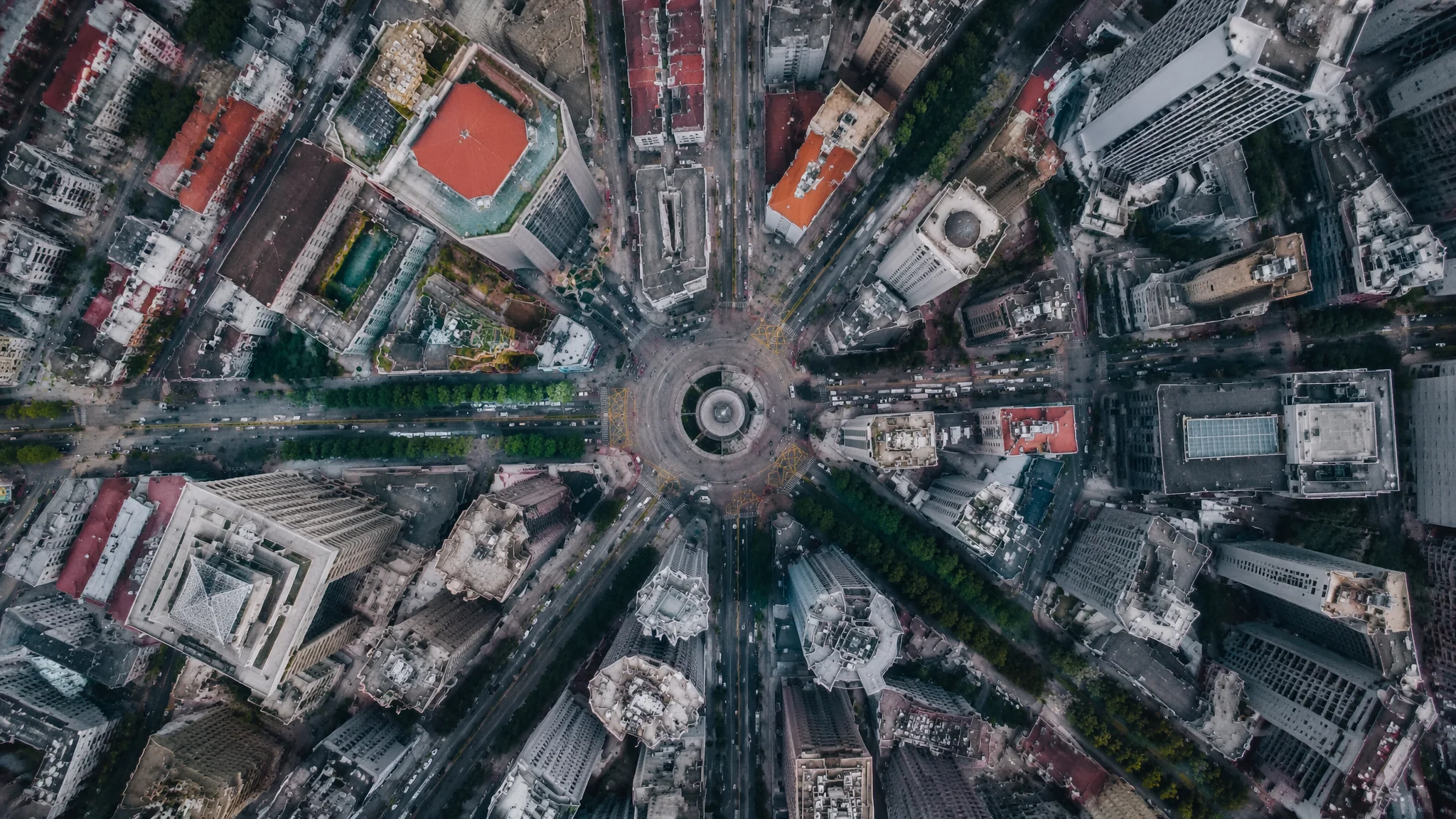
简单说:AI画俯视最常翻的两种车——要么像平面地图(没有纵深),要么像从二楼窗户拍的(角度不够高)。鸟瞰感的秘诀是三个词:foreshortening(透视缩短)、cast shadows(投射阴影)、scale reference(尺度参照物)。没有这三样,俯视就只是一张"从上面拍的平片"。
给一个城市规划项目做概念图那次,我第一次认真研究AI俯视。需求是"从五百米高空看一片老城区的屋顶肌理"。我写了"bird's eye view of old town rooftops",出来的图像是什么呢——是俯拍,但像一个无人机悬停在一百米拍的那种,完全没有"高空鸟瞰"该有的微缩感和几何抽象感。后来在提示词里加了"aerial photography from 500 meters, rooftops become abstract geometric patterns, tiny cars like scattered confetti on the streets below",画面立刻对了。从那之后我总结了一套AI鸟瞰的视角控制方法论。
鸟瞰视角的高度控制与关键词层级
AI俯视的高度不是靠数字精确控制的——是靠"可见物体的尺度暗示"来让AI理解高度。你写"from 500 meters"AI不一定准,但你写"cars appear as tiny dots on thread-like streets",AI就知道该拉多远了。高度层级的关键词对照:低空俯视(30-100米)——"low aerial view""drone photography angle""birds eye view from treetop height""looking down at a slight angle, not completely vertical";中空俯视(100-500米)——"aerial cityscape photography""buildings forming abstract blocks""streets cutting through the urban fabric like veins";高空俯视(500米以上)——"satellite photography aesthetic""city blocks become pure geometry""roads like thin threads connecting patches of green""extreme high angle, near orbital view"。还有一个"上帝视角"的完全垂直俯拍——"top-down view, perfectly perpendicular to the ground""flat lay photography style from high altitude""looking straight down with no perspective tilt"。完全垂直俯拍是最难画的——AI很容易把它理解成"平面图"而非"照片"。破解办法是加阴影:"strong directional light casting long shadows, the only thing revealing the third dimension in this top-down view"——阴影是从二维变三维的关键。关于构图的基础理论,AI绘画构图技巧全解析里有一套系统框架。
五种鸟瞰场景的关键词配方
城市屋顶、自然山谷、餐桌俯拍、人群鸟瞰、迷宫建筑——五种场景的俯视关键词各有侧重,但共同点是"尺度参照物不能少"。城市屋顶(Urban rooftops):写"dense medieval rooftops of terracotta tiles forming an organic patchwork, narrow alleyways barely visible between buildings, a single church spire casting a long shadow across the entire neighborhood, late afternoon light, extreme high angle aerial shot"。关键元素:屋顶材质(terracotta/slate/copper)、有节奏的阴影(单个高建筑的投射阴影打破平面感)、时间暗示(late afternoon = 长阴影 = 更多3D信息)。自然山谷(Valley landscape):写"breathtaking aerial view of a winding river valley, the river cutting through dense green forest like a silver ribbon, tiny birds circling below the viewpoint emphasizing the immense height, mist clinging to the valley floor, golden hour light, helicopter perspective"。关键元素:河流作为"引导线"、飞鸟作为"尺度参照"(tiny birds below viewpoint = 高度暗示)、雾气增强层次。餐桌俯拍(Food flat lay):这是唯一一种"完全垂直俯拍"的常见场景——写"overhead flat lay of a rustic wooden table with artfully arranged Mediterranean dishes, strong morning sunlight casting crisp shadows of wine glasses and bread baskets, hands reaching into the frame from the edges, editorial food photography aesthetic"。"hands reaching from edges"是关键——它为完全平面的俯拍增加了一个"人类尺度"的锚点。人群鸟瞰(Crowd from above):写"stadium filled with thousands of spectators seen from the highest seat, individual faces become dots of color, a wave moving through the crowd visible as a ripple of raised arms, dramatic stadium lighting"。关键元素:个体变成色块(dots of color = 距离感)、动作的涟漪效应(wave/ripple)、人工光源的图案。迷宫建筑(Maze-like architecture):写"labyrinthine monastery complex seen from above, cloisters forming perfect geometric squares within squares, a single monk walking through the courtyard providing scale, harsh midday sun creating graphic black shadows"。关键元素:几何图案、单个微小人物作为尺度参照。更多场景构图技巧在AI风景场景绘画教程中可以找到。
俯视构图的透视陷阱与对策
AI在俯视角度上有三个系统性问题:透视角度漂移、垂直物体歪斜、近大远小失效。每个问题都有专门的关键词来修正。透视角度漂移:你写"top-down view",AI可能画成45度倾斜——因为它对"top-down"这个词的理解不够精确。修正词:"perfectly perpendicular to the ground plane""looking straight down, not at an angle""flat lay perspective, zero tilt""camera sensor parallel to the ground"。垂直物体歪斜:俯视图中垂直物体(建筑、树木、路灯柱)应该指向画面的灭点,但AI经常把它们画歪。修正词:"vertical lines converging perfectly to a single vanishing point""buildings standing perfectly straight, no keystoning""architectural precision, all verticals truly vertical"。近大远小失效:这是最高频的问题——画面远处的物体和近处的物体一样大,俯视的纵深感直接消失。修正词:"atmospheric perspective, distant objects fading into haze""extreme depth of field from foreground to distant horizon""foreground elements noticeably larger than background elements""scale progression clearly visible from bottom to top of frame"。如果SD用户,直接用Depth ControlNet来强制深度信息是最可靠的方案。对透视控制有更深兴趣的读者,Drawabox的免费透视课程虽然是手绘向的,但透视原理的讲解非常适合AI绘画者理解构图底层逻辑。对航空摄影感兴趣的话,国家地理的航拍摄影档案提供了大量俯视构图的经典案例,分析这些作品的视角高度和阴影表现对AI鸟瞰提示词的编写极具参考价值。
阴影是俯视画面最有表现力的元素
俯视构图中,阴影的不是"辅助元素"——是"主角"。平面俯拍的信息几乎全部来自阴影:物体的高度、形状的凹凸、时间的暗示——都靠阴影来说话。阴影在俯视图中的四种用法:高度暗示——"long afternoon shadows stretching across the plaza, revealing the exact height of every building and tree""shadows are the only thing that proves this is a 3D world"。形状定义——"the circular fountain is almost invisible from above, but its shadow betrays the perfect ring""flat ground plane activated only by cast shadows"。时间暗示——"early morning shadows stretching long and blue to the west""noon shadows pooling directly beneath, the most graphic and abstract moment of the day"。图案创造——"the shadows of window frames creating a rhythmic pattern across the sunlit courtyard""shadows becoming architectural ornaments on the flat ground"。一个高阶技巧是故意选择"影子比物体更有趣"的时间——清晨或黄昏的长阴影在俯视图中产生的几何图案,有时候比物体本身更有视觉冲击力。更多光影技巧可参考AI城市生活场景绘画中关于城市光影的处理。
常见问题
为什么我的俯视图看起来像地图而不是照片?
因为缺少大气透视和阴影。地图是纯信息平面,照片有光线和空气。加"atmospheric haze softening distant areas""strong direction sunlight creating deep shadows""a single bird flying in the frame below the camera, proving this is a real photograph not a map"——"飞鸟"是我最爱用的"防地图咒语",它立刻把画面从抽象数据变成了真实摄影。
完全垂直俯拍怎么避免物体"黏"在一起?
靠阴影拉开层次。垂直俯拍时所有物体都在一个平面上,视觉上会"黏"成一片。解决方案:选一个低角度太阳(清晨或黄昏),让阴影变长——"late afternoon sun casting distinct separate shadows for each object""each tree and building casting its own unique shadow footprint, the only way to read their individual forms"。
俯视角度的人物为什么总是变形?
因为AI的训练数据中极端俯视角度的人物素材比较少。解决方案一是避免在俯视图中让人物占太大比例——人物作为"尺度参照的小点"比较安全;二是用"foreshortened figure from above""top-down view of a person, head larger than feet in correct perspective"来引导AI的透视理解。
觉得有用的话分享给朋友吧。