AI儿童人物绘画进阶:天真烂漫与童趣神态的角色创作技法
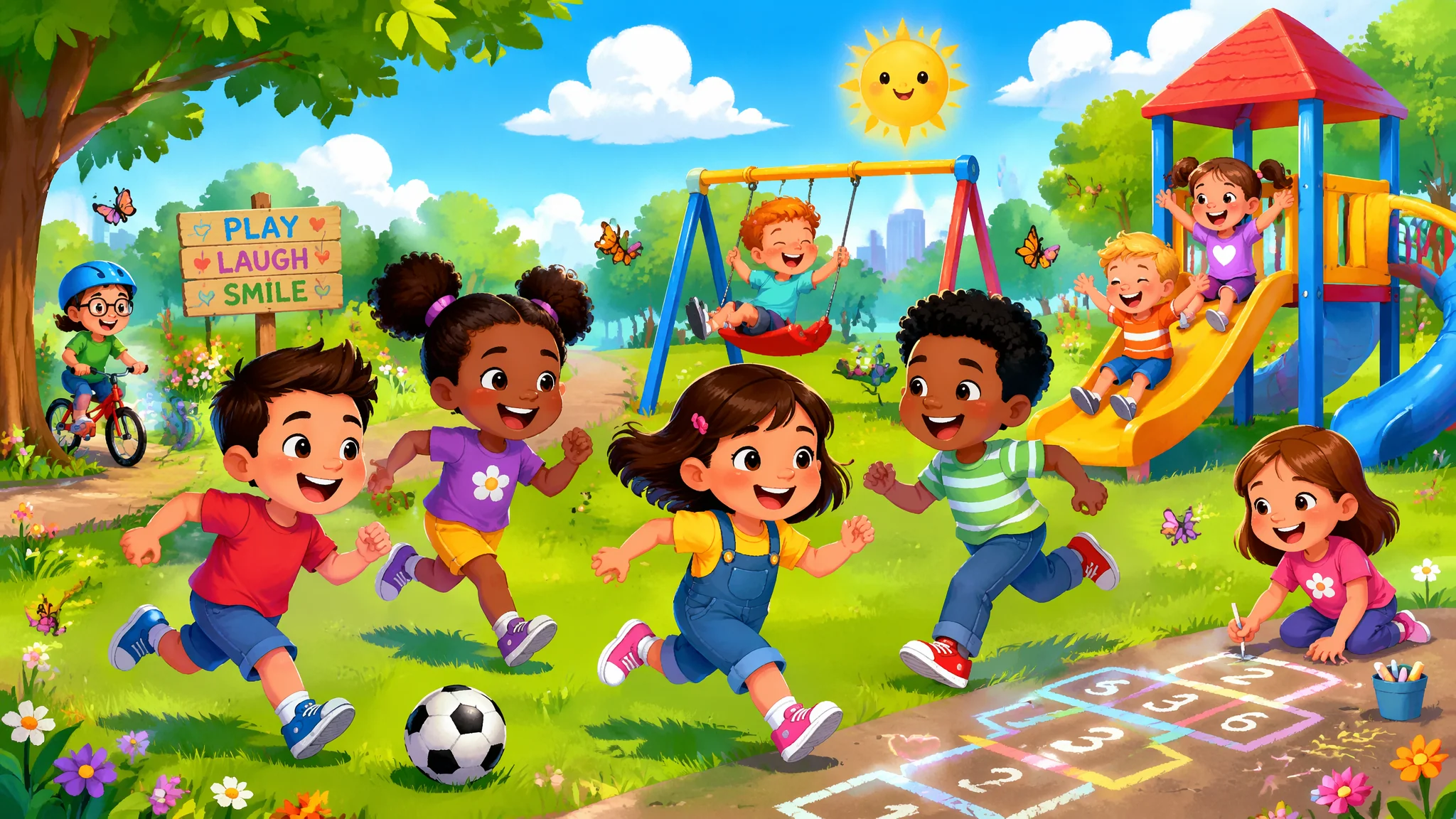
AI画儿童最容易踩的雷不是画不好——是画得太好,好到不真实。皮肤像瓷娃娃、表情像摆拍、姿态像小大人。真正的儿童魅力在于"没被规训过"的状态:笑到眼睛眯成缝、跑起来头发乱飞、手上沾着泥巴、衣服永远穿不整齐。
我姐家有个四岁的女儿,小名叫豆豆。我拿她的照片做参考做了一组AI儿童肖像实验——一开始出来的图都像童装模特,甜美但假。后来我把提示词从"cute little girl smiling at camera"改成了"toddler caught mid-laugh with crinkled nose and eyes squeezed shut, messy ponytail coming undone, smudge of chocolate on cheek, wearing a slightly too big sweater with one sleeve rolled up"——画面瞬间活了。我姐看了之后说"这张有豆豆的神韵"。神韵这个东西,来自不完美——而AI默认输出的是完美,所以画儿童的核心功夫就是"往提示词里塞不完美"。
不同年龄段儿童的面部比例特征
婴儿(0-1岁)头身比约1:4、幼儿(1-3岁)约1:5、学龄儿童(6-10岁)约1:6——年龄段不写清楚,AI会给出一个"平均儿童",看起来像三岁又像八岁,非常诡异。婴儿关键词:"newborn baby, large head relative to body, chubby round face, barely visible neck, tiny button nose, sparse wispy hair, unfocused curious gaze"。幼儿关键词:"toddler 2-3 years old, head still proportionally large, round apple cheeks, small baby teeth visible when smiling, wobbly standing pose, chubby hands with dimples"。学龄儿童:"child 7-8 years old, body proportions starting to elongate, losing baby fat, permanent teeth slightly too big for face, more coordinated posture, inquisitive intelligent expression"。年龄数字是硬锚点——"2-year-old"和"6-year-old"对AI来说是两个不同的数据簇。如果用MJ,v6对年龄区分的精准度已经非常高。关于人物比例的基础知识,AI人物比例与体型设计指南有更系统的框架。
儿童动态的"不完美感"关键词库
歪着头的疑惑、跑到一半回头看、蹲在地上专心戳蚂蚁、踮着脚尖够桌上的饼干、趴在草地上看书脚翘起来晃——儿童的动态魅力来自"目的性不强",动作不是为了好看而是本能驱动。运动态:"child running through field, arms flailing not coordinated, hair streaming wildly behind, one shoe untied, pure joy on face, mid-stride candid capture"。专注态:"child crouched on ground intensely focused on a ladybug, tongue slightly sticking out in concentration, knees dirty from kneeling, completely absorbed"。淘气态:"child caught sneaking cookie from jar, standing on tiptoes on stool, looking back with guilty startle expression, hand already in cookie jar"。互动态:"two children sharing a secret, heads close together, one hand cupping whisper to other's ear, giggles barely contained, conspiratorial joy"。这些关键词的核心不是描述儿童"做了什么",而是描述"怎么做"——"arms flailing not coordinated"比"running"有画面感十倍。运动姿态的更多技巧,AI动态动作与运动感绘画技法可以参考。
儿童面部表情的精确关键词
成人的"开心"是嘴角上扬+眼角微皱。儿童的"开心"是全脸参与的:眼睛眯成月牙、鼻子皱起来、嘴巴张到露出上下两排小牙、双下巴都笑出来了。大笑:"child belly laughing, eyes squeezed into crescent shapes, nose crinkled, mouth wide open showing small teeth, head thrown back, shoulders shaking with laughter"。好奇:"child with wide curious eyes, slightly parted lips, head tilted at angle, eyebrows raised, leaning forward toward object of interest, pure wonder"。委屈:"child on verge of tears, trembling lower lip, eyes welling up but not yet crying, brows drawn together in confusion, looking up for comfort"。专注:"child's tongue slightly out during concentration, furrowed brows, eyes fixed on task, unaware of surroundings"。AI在儿童表情上的默认输出是"微笑"——最无聊的表情。要用这些带具体面部动作的表情词才能出效果。关于表情设计,AI人物面部表情设计全指南有完整分类。
儿童与环境的比例关系
儿童角色最有感染力的构图技巧是"大小对比"——小小的人在大大的世界里:站在巨大的向日葵下面、坐在过大的椅子上、推着比她还高的购物车、睡在巨大的书堆旁边。室内对比:"small child sitting on oversized armchair, feet not reaching floor, dwarfed by adult furniture, book larger than child's torso on lap"。户外对比:"tiny child standing at edge of vast sunflower field, flowers towering above, child looking up in awe, scale emphasizing smallness and wonder"。城市对比:"child holding parent's hand in crowded street, seen from adult waist height, small figure navigating forest of adult legs, urban scale"。大小对比天然产生叙事感——让观众代入儿童的视角,感受到世界的新奇和巨大。这种构图技巧在Magnum Photos的经典儿童摄影作品中反复出现,非常值得研究学习。
不同文化背景下的儿童形象
儿童的天真具有跨文化的普遍性,但服装、环境和互动方式是文化特定的——这些细节让角色从一个"通用儿童"变成一个"具体的、有归属感的小孩"。中式童年:"Chinese child in traditional padded jacket, holding paper windmill toy, walking with grandparents in old hutong, steamed bun in hand, winter afternoon"。日式童年:"Japanese child in yellow kindergarten hat, randoseru backpack slightly too big, running under cherry blossom trees, holding mother's hand at train crossing"。西式童年:"child in muddy rain boots jumping in puddle, yellow raincoat, golden retriever puppy beside them, suburban autumn street, carefree"。乡村童年:"rural child chasing chickens in dirt yard, barefoot, simple clothes slightly dusty, grandparents' farmhouse in background, free-range childhood"。这些文化细节不需要很多,两三个精准的文化锚点就足够让画面有明确的地域和时间感。关于儿童摄影的构图与情感捕捉,国家地理的儿童专题里有大量经典案例可以学习。更多文化背景的绘画技巧,AI文化风格绘画创作指南可以给你参考。
常见问题
AI儿童人物绘画的常见问题集中在年龄准确性、表情自然度和伦理考量方面。儿童角色的年龄总是看起来不对怎么办?
在提示词里同时使用"数字年龄"和"发育特征"双重锚定。比如不是只写"5-year-old",而是"5-year-old child, losing baby teeth, adult teeth growing in slightly too large, limbs beginning to elongate but still soft rounded features"。数字告诉AI目标区间,发育特征告诉AI具体的视觉标记。
AI生成的儿童面部太成熟像缩小的成年人怎么解决?
这是训练数据中儿童与成人面部特征混叠造成的。在提示词里明确写"childlike facial proportions: larger eyes relative to face, smaller nose, round fuller cheeks, shorter distance between nose and mouth, softer jawline, no adult facial structure"——强制拉回儿童比例。负面提示词加"mature face, adult proportions, makeup, defined cheekbones"。
生成AI儿童图像有伦理问题吗?
有,而且非常重要。AI生成的儿童图像可能被用于不当用途是一个现实风险。作为创作者,建议遵循三个原则:儿童角色始终穿着得体、避免任何可能被误读的姿态和场景、不在提示词中使用"realistic child model"等暗示真人儿童的词语,改用"illustration"或"painting"风格词。这些边界问题需要认真对待。
觉得有用的话分享给朋友吧。