AI做饭烹饪绘画:厨房烟火气与美食制作过程的温馨视觉创作
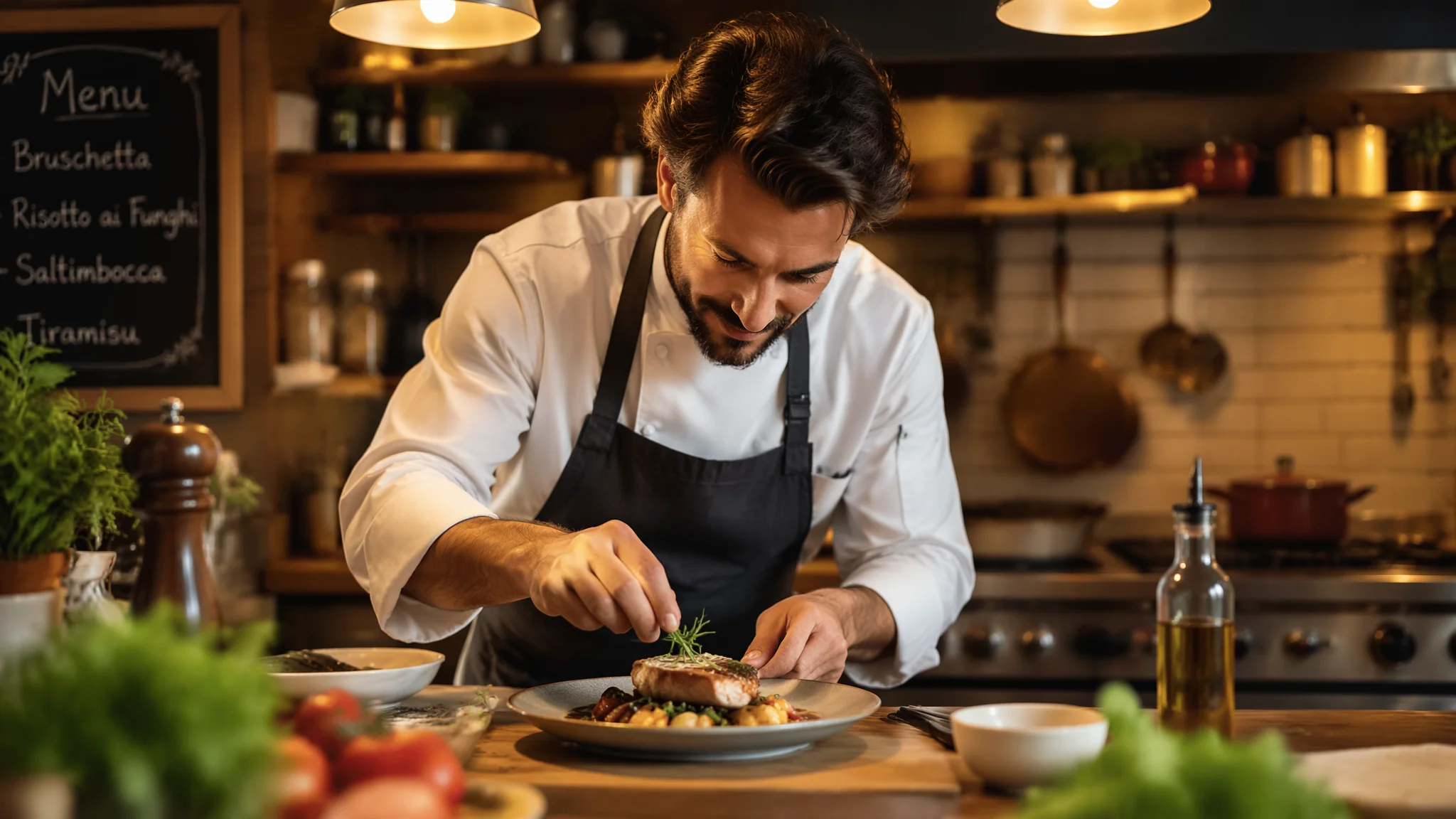
我妈做菜有一个习惯——从来不看菜谱,全靠"手感"。我试图用AI还原她做红烧肉的过程:热油、下糖、炒糖色、放五花肉、加水焖煮——每一个步骤都有一种说不清的烟火气。最后生成的图发给她,她回了一句:"这锅我认得,就是你小时候用的那个铁锅。"
做饭场景在AI绘画里是一个特别"接地气"的题材。它不像科幻和奇幻那样依赖宏大的想象力,也不像建筑那样依赖精确的结构知识。它的难度在于"情感准确性"——你画的不只是一盘菜,而是做菜时厨房里的温度、光线、声音和气味的视觉通感。我做了三个月的烹饪题材AI创作,总结下来就一句话:能让人"闻到菜香"的图才是好图。
烹饪动作的瞬间捕捉:从切菜到颠勺的动态表现
AI画静态的食材和成品都还行,但画"正在做菜"的动态瞬间经常翻车——因为烹饪动作包含复杂的手部姿态、工具互动和食材的运动轨迹。切菜动作:"close-up of hands chopping fresh vegetables on wooden cutting board, knife mid-motion slicing through a red bell pepper, scattered herb leaves on board, natural window light from side, droplets of water on vegetables, cooking preparation moment"。颠勺动作:"chef tossing ingredients in a flaming wok, food suspended mid-air above the wok, dramatic motion freeze, fire licking the edges of the wok, intense heat visible, Chinese stir-fry action, professional kitchen"。揉面动作:"hands kneading dough on floured wooden surface, flour dust suspended in sunlight, rustic baking preparation, tactile texture of dough being pressed and folded, homely kitchen atmosphere"。倒汤动作:"liquid being poured from a ladle into a ceramic bowl, steam rising from hot soup, golden droplets suspended mid-pour, warm ambient kitchen light, the moment of serving"。动态场景的通用法则:描述"中间状态"而非"结果状态"——"mid-motion""suspended mid-air""in the process of""caught in the action of"——这些词让AI生成的不是静态摆拍,而是有时间流动感的画面。对动态捕捉感兴趣的,AI水元素绘画:液体流动与透明折射的视觉表现里关于流体动态的技巧对烹饪中的汤汁、蒸汽同样适用。
食材鲜活的质感:从蔬菜水珠到肉类纹理的细节控制
食材画得好不好,看三个细节就够了:蔬菜上的水珠有没有反光、肉类切面的纹理是否清晰、香料叶片的脉络有没有透光。蔬菜水果:"fresh vegetables with water droplets catching morning light, crisp lettuce leaves with visible veins, glossy cherry tomatoes with natural highlights, organic produce at peak ripeness, farmers market quality, macro detail level"。生肉类:"raw marbled beef with visible fat distribution, fresh salmon fillet with glossy surface and defined muscle lines, meat texture showing freshness, professional food photography sharpness"。香料与调料:"fresh herbs with individual leaves clearly defined, coarse sea salt crystals sparkling on dark surface, whole spices in a mortar before grinding, colorful spice powders in small bowls, aromatic ingredients"。谷物与面食:"raw pasta on flour-dusted surface, bread dough with visible yeast bubbles and gluten strands, rice grains each defined individually, texture of uncooked grain against smooth ceramic bowl"。食材质感的核心是两件事:微观细节(水珠、纹理、光泽)+新鲜度暗示(湿润度、色泽、饱满度)。提示词里加"macro photography""extreme detail on surface texture""glistening with freshness"能大幅提升食材的质感表现。关于食物摄影的更多技巧,AI蔬菜美食绘画:自然食材与健康饮食的视觉艺术里有专门针对植物性食材的深度探讨。
厨房环境的烟火气:蒸汽、油光和暖光的层次塑造
"烟火气"三个字在AI绘画里对应的是四个视觉元素:蒸汽、油光、暖光和略显杂乱的场景——四个要素缺一个,厨房就变成了样板间。蒸汽表现:"steam rising from hot dishes and pots, visible wisps of vapor catching light, kitchen atmosphere with gentle haze near cooking area, warm humid air visible in sunbeam, ethereal steam adding depth to scene"。油光表现:"glossy sheen on stir-fried food surface, droplets of oil glistening under kitchen light, rich mouthwatering glaze on braised meat, oily shimmer creating appetite appeal"。暖光表现:"warm overhead kitchen light, golden tungsten glow filling the room, small window showing evening blue hour outside contrasting with warm interior, pendant lamp over kitchen island creating intimate pool of light"。场景杂乱感:"lived-in kitchen with character, slightly cluttered counter with ingredients in various stages of preparation, dish towel casually draped over shoulder, used cutting board with food remnants, authentic cooking mess that feels cozy not dirty"。这里有一条金线:杂乱不等于肮脏。"lived-in"和"cozy mess"是温暖的,"dirty"和"greasy"是恶心的——形容词的情感色彩决定了画面的卫生感。更多空间氛围的技巧,AI温暖治愈场景绘画:温馨氛围与情感温度的视觉表达这本书里有很多可以直接用于厨房场景的氛围营造方法。
不同菜系的厨房视觉差异
中餐厨房、日式厨房、西餐厨房、东南亚厨房——不同菜系的厨房环境、工具、食材和烹饪方式完全不同,AI需要明确的菜系指向。中餐厨房:"Chinese home kitchen, wok on gas stove with intense flame underneath, cleaver on wooden chopping block, soy sauce and various condiment bottles on shelf, bamboo steamer releasing steam, ingredients prepped in small bowls ready for stir-frying"。日式厨房:"Japanese kitchen, pristine organized space, ceramic donabe pot on portable stove, fresh sashimi being plated on ceramic dish, bamboo rolling mat for sushi, subtle natural light filtering through shoji screen, zen minimalism"。西餐厨房:"European country kitchen, copper pots hanging from rack, cast iron skillet on stove, fresh herbs in terracotta pots on windowsill, rustic bread on wooden board, soft afternoon light, farm-to-table aesthetic"。东南亚厨房:"Southeast Asian kitchen, mortar and pestle with fresh spice paste, lemongrass and kaffir lime leaves on counter, coconut milk being poured into bubbling curry, vibrant colorful ingredients, tropical humidity visible in air"。在Saveur和Bon Appétit这类专业美食媒体上可以研究不同菜系的拍摄风格——它们的视觉语言可以直接转化为AI提示词里的风格和光影描述。另外Food & Wine的食谱摄影也非常出色,特别擅长捕捉烹饪过程中的烟火气和动态感。
从备菜到上桌:完整烹饪叙事的系列创作
单张做饭图是"插图",一组串联的做饭图是"故事"——系列创作是烹饪AI绘画的高级玩法,也是社交媒体上最容易火的视觉形式。一套标准的"烹饪四部曲":备菜篇——"ingredients beautifully arranged on marble counter, mise en place preparation, raw vegetables and herbs in neat piles, knife resting on board, recipe book open, anticipation of cooking"。烹饪篇——"action shot of cooking process, steam rising from pan, oil sizzling with small bubbles, chef's hand stirring with spatula, mid-cooking intensity and focus"。出锅篇——"finished dish being plated, sauce being drizzled artistically, final garnish being placed with precision, steam still rising from hot food, plating beauty moment"。享用篇——"completed meal on dining table, warm ambient light, someone's hand reaching with chopsticks, satisfied anticipation on face, shared meal atmosphere"。四张图构成一个完整的"从食材到餐桌"叙事弧线。这种系列图在小红书上做美食类内容的配图,互动量比单张成品图高三到五倍——因为观众喜欢"过程",过程有沉浸感和期待感。关于系列创作的规划方法,AI专辑封面艺术设计:音乐视觉与美学概念的综合创作里关于系列统一性的设计思维非常值得借鉴。
常见问题
做饭AI绘画创作中最常遇到的三个头疼问题。AI把食物画得看起来很假像塑料模型怎么办?
塑料感的根源是"表面过于均匀光滑"。加"natural texture""organic surface variation""slight imperfections""handmade quality""home cooked not food stylist perfect"——这些词告诉AI:我要的不是广告级的完美食物造型,而是真实的、有质感的家常菜。
怎么让画面里的食物看起来"好吃"?
"好吃"的视觉密码是三个关键词:glossy(光泽暗示油脂和水分)、steaming(蒸汽暗示温度)、glistening(微光暗示新鲜度)。组合使用"glossy glistening surface""steam rising indicating heat""juicy and tender appearance"——人的大脑会自动把这三个视觉信号翻译成"好吃"。
厨房场景里AI经常画一些奇怪的"假厨具"怎么办?
在负面提示词里加"unrealistic kitchen tools""impossible utensils""nonsensical gadgets""distorted kitchenware"。正面提示词里尽量使用具体的、标准的厨具名称(如"stainless steel chef's knife""cast iron skillet""wooden spatula""ceramic mixing bowl"),让AI在训练数据中找到明确的厨具形态对应,它就不容易自己"发明"奇怪的工具了。
觉得有用的话分享给朋友吧。