AI可爱女孩绘画进阶:萌系少女与甜美风格的人物角色视觉设计
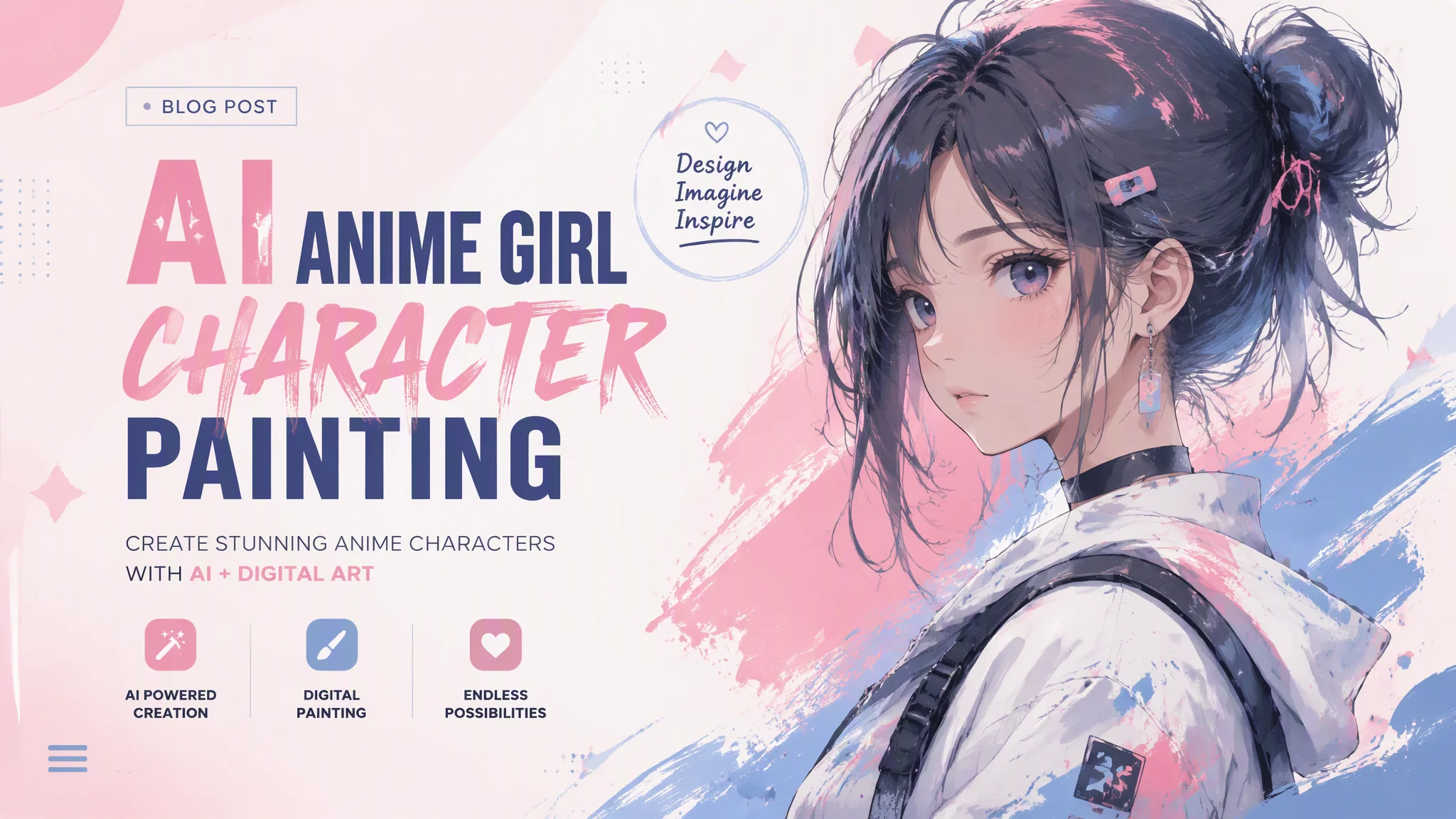
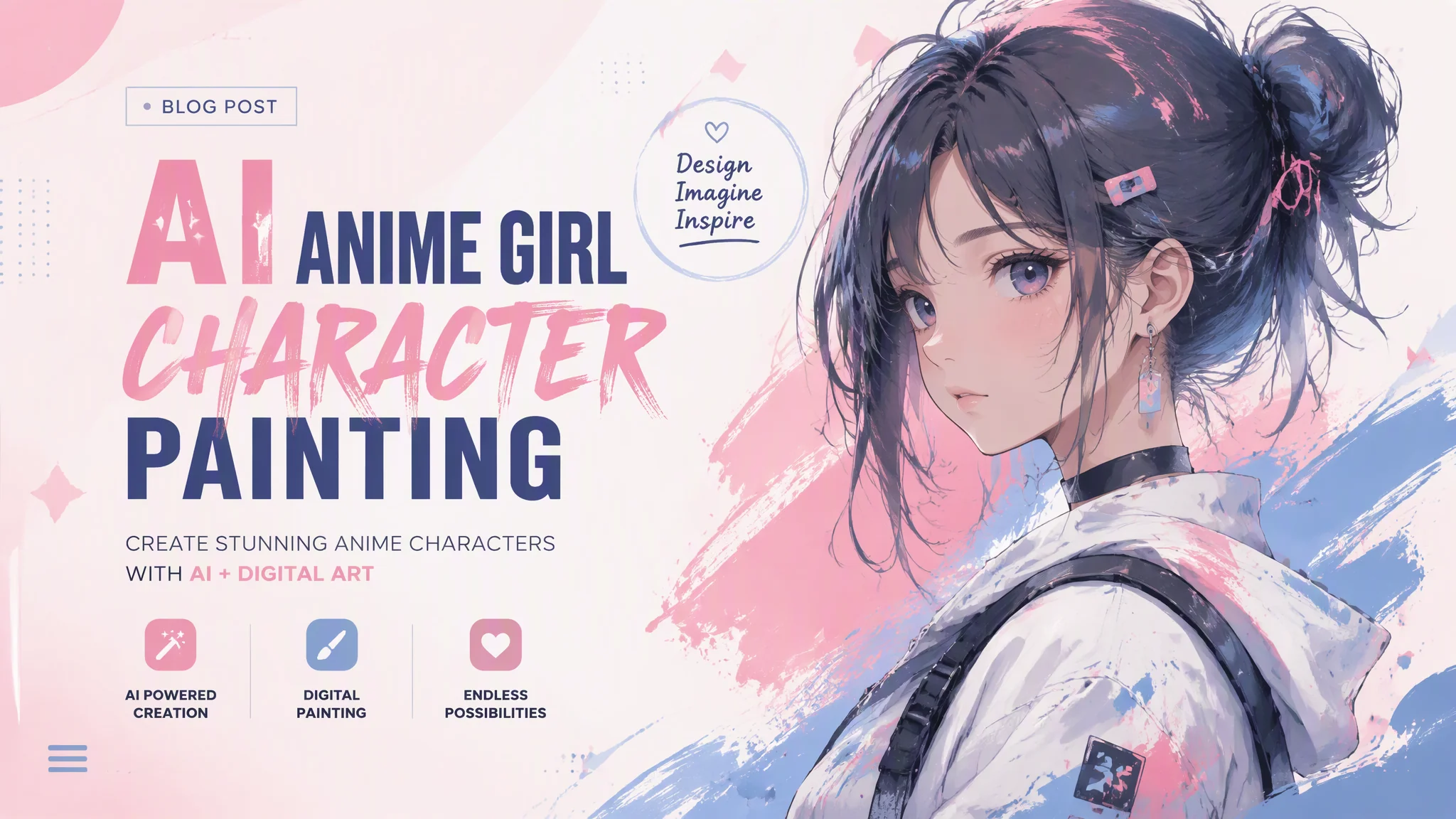
跑AI女孩角色最容易犯的错误就是把"可爱"等同于"大眼+小嘴+V脸"——这公式AI当然认得,但跑出来的结果千篇一律,像同一个整形医院出来的。我做了个实验:用同一套提示词在Midjourney跑20张"cute anime girl",然后拼在一起对比——20张脸放在一起你根本分辨不出她们是"不同的人",只是发色和衣服换了。真正有辨识度的"可爱女孩"不是模板化的——她有自己的小习惯(咬吸管)、有不完美的地方(笑起来鼻子会皱)、有让人记住的细节(永远戴着一对星星耳钉)。这篇进阶教程就是帮你跳出"模板可爱"的陷阱,画出有灵魂的萌系少女。
萌系(Moe)审美源于日本ACG文化,在AI绘画时代成了最热门的角色类别之一。但"萌"从日语语境翻译到AI提示词的过程中损失了大量信息——日语里的"萌え"包含一种"想要保护她"的情感投射,而英文"cute"只是一个视觉形容词。弥补这个语义差距需要从四个维度分别描述:面部比例(不是单纯的"大眼")、发型设计(不是随便写"双马尾")、穿搭层次(不只是"水手服")、以及最重要的——表情和体态中透露出的"性格"。据Pixiv的年鉴数据,萌系少女插画的投稿量和收藏量连续多年位居所有题材之首,这意味着AI训练数据中这个类别非常丰富——但丰富不代表你能用好,关键在关键词的"颗粒度"。
萌系面部比例的精确公式:不只是"大眼小嘴"
萌系脸有一个可量化的比例系统:眼睛中线大约在头部高度的1/2处(真实人类在1/2偏上)、两眼间距约等于一只眼睛的宽度(略宽于真实比例)、瞳孔放大到虹膜面积的60%以上(真实人类约30%)、鼻子的存在感降到最低(一个点或一小段阴影)。眼部关键词精细化:"large expressive eyes with oversized irises, pupils dilated to show innocence and excitement, multiple highlight reflections in each eye (at least three bright dots creating a glossy sparkle effect), upper eyelashes thick and distinct lower lashes minimal or absent, the eyes are the focal point of the entire face occupying roughly one-third of the face width each"。五官整体布局:"eyes positioned slightly lower on the face than realistic proportions, creating a larger forehead and a smaller chin area, the facial feature triangle is compact and centered, button nose reduced to a tiny curve or a single point, small rosebud mouth with a slight natural pout, soft rounded jawline with no angular definition"。腮红的情绪层次:"soft pink blush applied high on the cheeks just below the eyes, the blush intensity varies by emotion — barely visible when calm, deep rosy when embarrassed, the blush is an emotional barometer as much as a beauty mark"。关于角色面部设计更多技巧,AI人物面部绘画技法有从骨骼结构到表情的完整体系。
发型的性格编码:双马尾不只有一种扎法
同一个"双马尾"发型,扎得高是元气活泼、扎得低是温柔文静、不对称扎法是古灵精怪、松松垮垮地搭在肩上则是慵懒软萌——发型的位置和松紧度直接决定了角色的性格标签。高双马尾(元气型):"high twin tails tied at the crown, bouncy and energetic, hair ribbons in bright colors, the pigtails swing with every movement, this hairstyle signals a cheerful extroverted personality"。低双马尾(温柔型):"low twin tails tied behind the ears or at the nape, softer and more relaxed, hair ties in muted pastel tones, the hair falls gently over the shoulders, this style suggests a gentle and slightly shy personality"。单侧马尾(俏皮型):"side ponytail swept over one shoulder, asymmetrical and playful, the hair cascades down one side while the other side is tucked behind the ear, this hairstyle conveys a mischievous and unpredictable character"。短发波波头(清新型):"chin-length bob cut with soft inward curls at the ends, airy bangs swept to one side, the hair has a feathery light texture, this style suggests a refreshing and straightforward personality"。发型提示词里最容易忽略的是"发丝的物理状态"——头发是静止还是飘动、是整齐还是有点毛躁、发尾是锋利的剪刀切还是柔软的自然散开。加上"hair strands gently moving as if caught in a soft breeze"这类动态描述,角色的生命力立刻提升。关于角色整体设计体系,AI人物角色设计全指南提供了从发型到配饰的完整框架。
甜美穿搭的四个风格流派:学院风、软妹风、田园风与梦幻风
甜美系穿搭不是"裙子+蝴蝶结"一劳永逸——不同流派的甜美有不同的视觉语言和适用场景。学院风(Preppy Sweet):"Japanese school uniform inspired outfit, navy blue pleated skirt, white sailor collar with red ribbon, knee-high socks, polished leather loafers, the neat and proper sweetness of a model student, K-ON or Love Live inspired aesthetic"。软妹风(Soft Girl):"oversized pastel knit sweater that hangs off one shoulder, fluffy texture, paired with a corduroy mini skirt, chunky platform sneakers, hair accessories with bunny ear motifs, the comfortable cuddly sweetness of someone you want to hug, ulzzang fashion inspired"。田园风(Cottage Sweet):"a prairie dress with puffed sleeves and a lace-trimmed collar, small floral print on cream fabric, a straw hat with a ribbon, wicker basket over the arm, the wholesome sweetness of a countryside picnic, reminiscent of Marie Antoinette's pretend farm at Versailles but softer"。梦幻风(Dreamy Sweet):"layers of translucent tulle and organza in gradient pastel colors, star and moon shaped accessories, hair adorned with tiny pearl pins that look like dewdrops, the ethereal sweetness of a character who might be a star spirit or a dream guardian, fantasy idol stage outfit inspiration"。这些风格的提示词核心是"材质"——学院风是挺括的棉、软妹风是蓬松的针织、田园风是轻薄的棉麻、梦幻风是透明的纱。材质词写对了,风格就对了。关于服装材质表现,AI服装材质与布料表现有更系统的面料关键词对照。
表情与体态的"萌度"控制:过了就腻、少了就淡
萌系表情有一个"甜度曲线"——甜度太低是普通角色、甜度刚好是让人心跳加速的萌、甜度过高就变腻甚至变"作"。恰到好处的微表情:"a slight shy smile, not a full grin but the corners of the mouth just barely lifted, eyes looking slightly away from the viewer as if caught off guard, one hand unconsciously touching the hair or the collar, the expression of someone who is happy but a little embarrassed about being happy, genuine rather than posed"。情绪爆发的可爱瞬间:"eyes squeezed shut in a burst of laughter, mouth wide open in an unguarded moment, cheeks flushed from laughing too hard, body slightly doubled over, the kind of laughter that happens when you forget to be self-conscious"。日常小动作的萌点:"holding a warm mug with both hands close to the face, blowing on hot soup with pursed lips, tilting the head in confusion like a puzzled puppy, stretching arms above the head with eyes half-closed, these small mundane gestures are often more endearing than deliberate poses"。控制"萌度"的秘诀是加一点"反差"——一个平时很酷的角色偶尔露出软萌的表情,比一个从头到尾都在卖萌的角色更动人。反差是情感冲击的放大器。
常见问题
AI可爱女孩绘画进阶的常见问题集中在辨识度、画风统一和避免过度模板化上。跑出来都是"网红脸"怎么做出辨识度?
给角色一个"记忆点"——一个看一眼就记住的视觉特征。可以是一个特别的发饰(不对称的星星发夹)、一个面部特征(右眼下有一颗泪痣)、一个标志性物品(总是抱着一只河马玩偶)、或一个固定配色(永远穿薄荷绿+奶油白的搭配)。提示词里反复写这个记忆点,让它成为这个角色不可分割的一部分。一个记忆点胜过一百个细节。
SD和MJ画萌系少女哪个更好?
MJ的默认审美偏向写实和艺术感,画二次元萌系需要加"--niji 6"参数(Niji模型专攻二次元)。SD配合Anything V5或Counterfeit系列模型在二次元美少女方面是目前的顶配——尤其是配合ControlNet后对姿态和构图的控制远超MJ。简单结论:追求氛围和色彩选MJ+Niji,追求角色精确控制和系列化产出选SD+二次元模型。
人物的"可爱"有没有文化差异需要注意?
有。日系萌强调"幼态"和"保护欲",韩系可爱更偏向"精致"和"时尚感"(ulzzang风),欧美cute更接近"活泼"和"健康阳光"。如果你的目标受众跨文化,建议选择一个"中性萌点"——比如小动物般的圆眼睛、自然的笑容、松弛的生活场景——这些是跨文化通用的可爱语言。关于跨文化视觉设计,Behance上的全球插画趋势报告是不错的参考。
有一次我跑了一组萌系少女图发在小红书上,评论区有人说"这不就是我失散多年的二次元老婆吗"。虽然是调侃,但说中了一个道理:好的角色设计会让人产生"想认识她"的冲动——她不只是好看,她让人好奇她接下来要干什么。这就是从"模板可爱"到"有灵魂的萌"的分水岭。下次你写提示词的时候,别只想着"让她更好看"——想想"她今天早上吃了什么""她最好的朋友是谁""她有什么小怪癖"——把答案变成视觉细节塞进提示词,那个女孩就会活过来。