AI帅气男性绘画:英俊面容与型男气质的角色设计全攻略
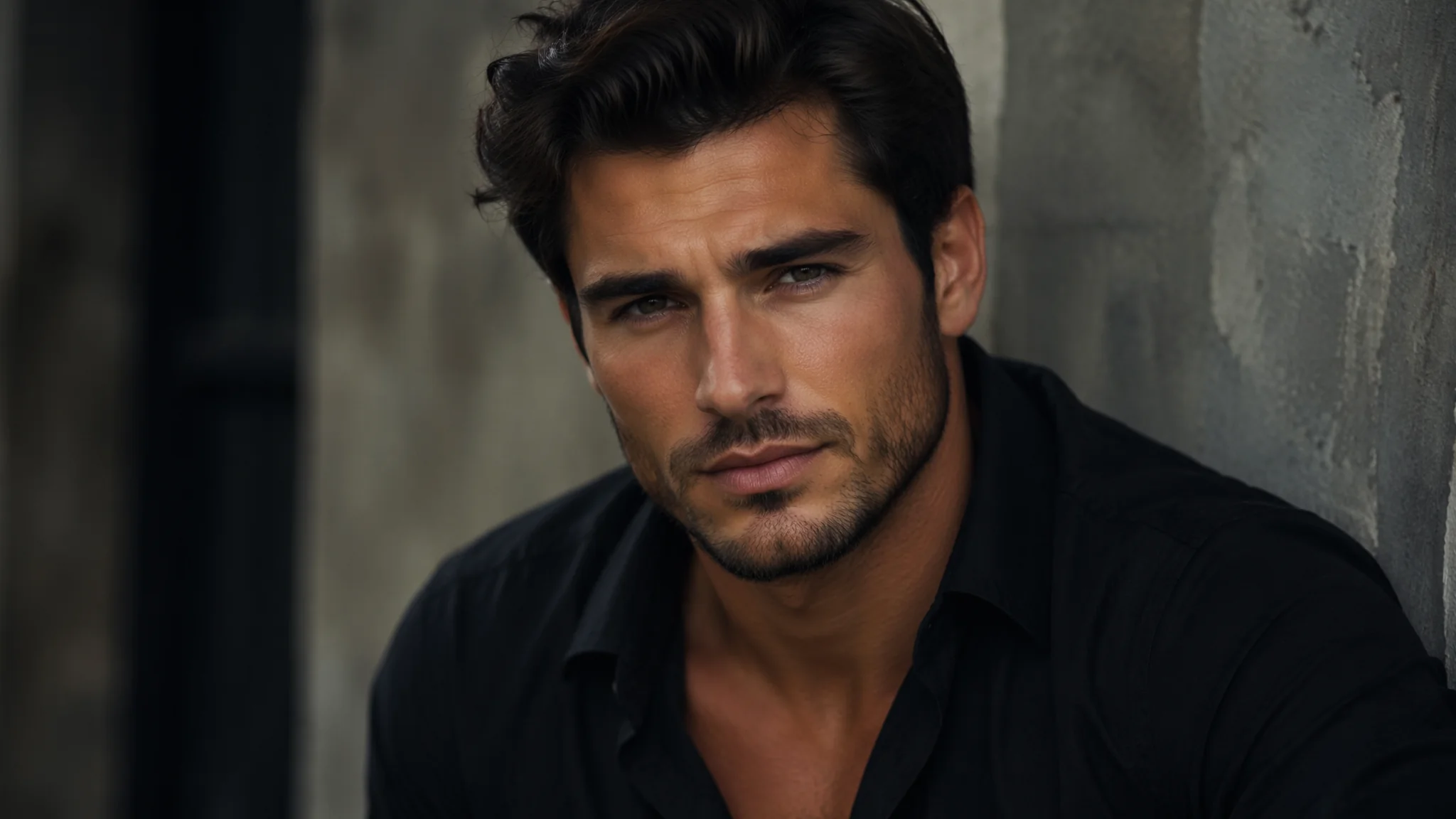
帮一个做游戏人设的朋友画男性角色时,我发现了AI绘画圈一个有趣的事实:关于画美女的教程遍地都是,画帅哥的攻略少得可怜。更惨的是AI对"handsome man"的理解非常单一——永远是那个下巴能戳破气球的方脸超人,翻来覆去就一张脸。真实的帅气是多元的。
AI画帅气男性有一个根深蒂固的"超人脸"问题——你写"handsome man",90%的概率会得到一个:极度方下颌、超人式宽下巴、深邃到不真实的眼窝、以及那种好莱坞量产英雄的僵硬表情。这种脸在第一眼看起来"帅",但看多了就腻——因为它没有辨识度。一个真正有魅力的男性角色不是五官的堆砌,是面容特征、气质类型、服装造型和光影氛围四层叠加的结果。
先建立男性角色设计的基础框架——如果你对AI人物画还不太熟,建议先看AI角色设计绘画教程了解人物类prompt的通用写法。这篇我们专攻"帅气"这个看似简单实则复杂的命题。
打破"超人脸":面部结构的差异化写法
AI默认的"帅哥脸"是超人+美国队长的杂交——你需要用明确的描述打破这个模板。我整理了几种不同方向的男性面部特征写法。儒雅型——"refined handsome face with softer jawline, gentle intelligent eyes behind wire-rimmed glasses, slight smile with subtle laugh lines, high cheekbones but not harsh, warm approachable expression"。硬朗型——"strong masculine features with defined jaw and prominent brow ridge, weathered complexion suggesting outdoor experience, intense focused gaze, stubble along the jawline adding ruggedness without being unkempt"。少年感——"youthful handsome face with clear skin and bright spirited eyes, slightly messy hair falling across the forehead, an easy natural smile, lean rather than bulky build, fresh energetic vibe"。忧郁型——"broodingly handsome with deep-set thoughtful eyes, slightly furrowed brow suggesting an inner weight, sharp well-defined features, dark tousled hair, the kind of face that carries unspoken stories"。
每一种类型的关键区别在三个词:下颌线(jawline——soft/defined/sharp)、眼型(eye shape——gentle/intense/thoughtful/bright)、以及表情肌肉的紧张程度(expression——warm/focused/brooding/spirited)。这三个维度调一下,同一张脸能变出完全不同的气质。我画男性角色的时候,这三组词是prompt里最先写的,比五官细节还靠前。根据维基百科关于面部男性气质的研究,人类对"男性面孔"的审美在不同文化中存在显著差异——东亚偏好的"清秀型"和西方偏好的"硬朗型"在面部宽高比、下颌角度、眉眼间距等维度上差异巨大。角色设计领域的实践也验证了这一点——角色设计的核心原则强调"可辨识性大于完美性":一个有辨识度的男性角色比一个完美的模板帅哥更有魅力。你的目标受众是谁,决定了你应该往哪个方向写。
气质类型的视觉锚点
帅气不只是脸——是角色站在那里的整体气质。我总结了六种常见的男性角色气质方向,每种配了关键的视觉锚点词。绅士型——"immaculate tailored three-piece suit, confident relaxed posture, one hand in pocket, subtle cufflinks catching light, old money elegance"。街头型——"effortlessly cool in a well-fitted leather jacket over a plain white tee, hands in pockets with a slight slouch, confident street-smart attitude, urban night backdrop with neon reflections"。武者型——"warrior physique in traditional martial arts attire, sleeves rolled up revealing muscular forearms, calm intense gaze of a trained fighter, practice weapon held with natural familiarity, ancient courtyard or dojo setting"。学者型——"tweed jacket with elbow patches, reading glasses pushed up into slightly disheveled hair, surrounded by books and papers, warm lamp light, the attractive quality of someone absorbed in their work"。运动型——"athletic build in fitted sportswear, moment of rest after training, sweat glistening on skin, towel draped over shoulders, the relaxed confidence of physical capability"。艺术型——"paint-stained hands and slightly messy attire, intense creative focus in the eyes, standing before a canvas with palette in hand, studio light streaming in, unconventional beauty that defies standard handsome tropes"。
这些视觉锚点比"handsome face"重要一百倍。观众判断一个角色"帅不帅",更多是从整体氛围(服装、姿态、环境、光线)来判断的——脸只是其中一小部分。一个穿着考究、站在窗边光线里的背影,有时候比正面特写更"帅"。AI角色设计里"氛围大于五官"这个规律,我用了半年才真正领悟。
光影与氛围:男性肖像的质感密码
女性肖像多用柔光——蝴蝶光、窗边散射光、柔和的正面光。男性肖像恰恰相反——硬光、侧光、逆光剪影才是出质感的方向。Rembrandt光(伦勃朗光)是画男性角色最强的光线方案——"Rembrandt lighting with a distinctive triangle of light on the shadowed cheek, strong chiaroscuro creating dramatic depth, one side of the face in deep shadow while the other reveals sharp bone structure"——这种明暗对比把男性面部的骨骼结构变成了画面的主角。
其他高质感光线:侧逆光剪影——"rim lighting from behind creating a hair light and shoulder highlight, face partially in shadow creating mystery and intrigue"。硬顶光——"single harsh light source from above, casting deep shadows under the brow and cheekbones, film noir detective atmosphere"。窗边阴天光——"soft overcast window light, muted and introspective mood, the gray light bringing out skin texture and subtle expressions"。每种光线对应一种情绪——硬光配硬朗型角色,柔光配儒雅型角色,逆光配忧郁型角色。光线和角色气质不匹配,再帅的脸也出不了氛围。更多光影技巧参考AI真实感绘画提升指南里的光照章节。
避坑:AI画男性的五个常见翻车
面部过度对称——AI默认的帅哥脸左右完全对称,看着像面具。加"slight natural asymmetry in the face, one eyebrow slightly higher, subtle imperfections that make the face feel real and lived-in"。身体比例失衡——肩膀太宽像橄榄球运动员,或者脖子太粗。明确写"athletic but proportional build, broad shoulders but natural proportions, not bodybuilder physique"。表情僵硬——加"natural relaxed expression, not posed or僵硬, candid moment rather than portrait pose"。手部问题——男性角色的手经常被AI画成怪形。加"hands in natural relaxed position, fingers slightly curled, visible knuckles and tendons suggesting real anatomy"或者干脆把手藏起来——插口袋、背在身后、放在画面外。皮肤质感太塑料——加"visible skin texture with subtle pores and fine lines, natural complexion not airbrushed, slight five o'clock shadow adding texture to the jaw"。
常见问题
AI画的帅哥为什么总是同一张脸?
因为训练数据里"handsome man"的图片高度同质化——好莱坞明星、模特、健身网红占据了绝大部分训练样本。打破方法:一是用具体特征替代"handsome"这个词——写"sharp intelligent eyes""soft but defined jawline""weathered outdoor complexion"这些具体特征。二是用名人特征做融合——"facial structure reminiscent of young Takeshi Kaneshiro mixed with the intensity of Mads Mikkelsen"(但注意比例控制,避免直接模仿导致版权风险)。三是用LoRA——训练一个你自己理想中的"帅哥脸"LoRA模型,比跟AI的默认审美较劲高效得多。
画亚洲男性角色和西方男性角色的prompt差异在哪?
差异巨大,而且不是加个"Asian"就能解决的。亚洲男性角色的面部特征关键词:"defined but softer bone structure, monolidded or double-eyelidded eyes with distinct epicanthic fold, warm ivory skin tone with subtle golden undertones, straight black or dark brown hair with natural texture"。如果用西方模型画亚洲面孔,经常会出现"亚洲五官贴在高加索脸型上"的诡异效果——这是因为基础模型的人种分布不平衡。解决方案:使用专门训练的亚洲人物LoRA,或者在prompt里明确写"East Asian facial features and bone structure, not Western features on Asian skin tone"。关于不同人种特征的prompt写法,AI肖像绘画教程有更详细的拆解。
怎么画"坏坏的帅"而不是"凶"?
"坏帅"和"凶"之间的分界线很微妙。坏帅的关键词:"mischievous smirk rather than aggressive scowl, one eyebrow slightly raised in amusement, relaxed confident body language suggesting danger but not immediate threat, the charm of someone who knows they're trouble"。凶的关键词偏离方向是:"furrowed brows, clenched jaw, aggressive stance, intimidating glare"。差别在肌肉紧张度——坏帅的面部是放松的( smirk, relaxed, amusement),凶的面部是紧张的(scowl, clenched, glare)。这个细微差别AI能捕捉到,前提是你写对词。
男性的服装和配饰怎么用prompt写才不土?
AI默认给男性角色穿的经常是"土味商务装"——不合身的西装、莫名其妙的领带、或者像睡衣一样的T恤。服装prompt的诀窍是写"剪裁"和"面料"而不是"衣服名称"。不说"wearing a suit",说"well-tailored charcoal suit in fine wool with a modern slim cut, jacket unbuttoned over a crisp white shirt with the top button undone, no tie for a refined but relaxed look"。不说"wearing a t-shirt",说"heavyweight cotton crewneck tee in heathered gray, the fabric draping naturally over an athletic frame"。配饰要克制——"a single meaningful accessory: a vintage watch with leather strap, or a simple silver chain barely visible at the collar"——男性角色的配饰越少越有力。想了解更多角色服装设计思路,AI动漫风格绘画教程里的角色设计原则同样适用于写实方向。
画出有辨识度的"帅"比画出"美"更难——因为帅不是标准件,是一个人所有特征、气质、故事的总和。下次画男性角色的时候,别急着写handsome——先想好他是一个什么样的人,然后让AI画出那个人的样子。
转发给你身边做角色设计或单纯想看帅哥的朋友。