AI最美绘画作品鉴赏:惊艳的高质量AI艺术生成案例与技巧
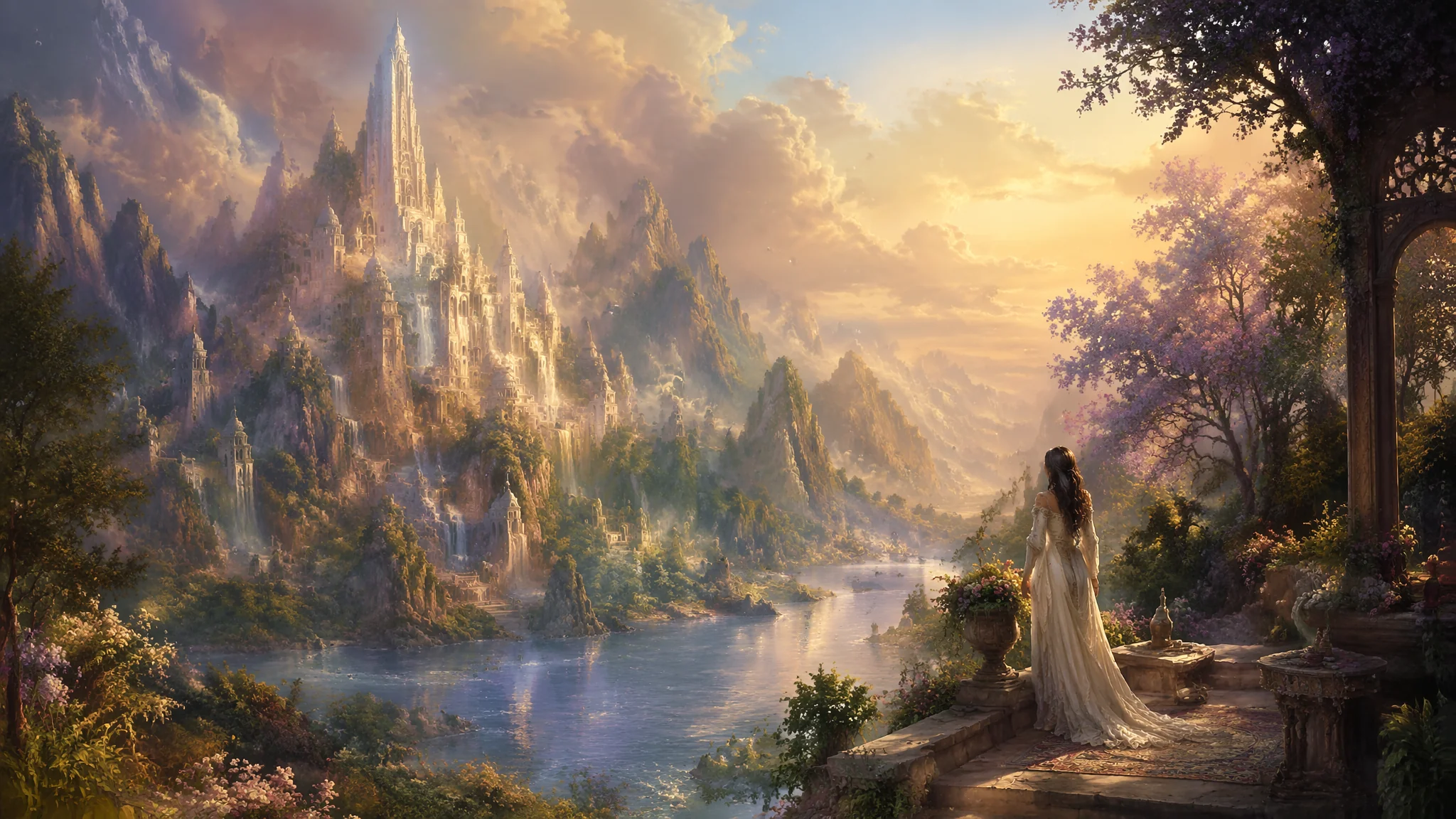
我手机相册里有一个专门的"AI神图"文件夹——存了大概四百张这两年在各种平台看到的高质量AI作品。不是那种"第一眼惊艳但多看两眼就腻"的图,是那种你会保存下来、反复拿出来看、甚至设为壁纸或打印挂墙上的作品。每次创作卡壳的时候我就翻这个文件夹——看别人的构图怎么做的、光怎么打的、色彩怎么控制的。看多了以后发现这些"神图"有一些共同规律:它们都不是"靠运气跑出来"的——每一张背后都有明确的审美逻辑和Prompt设计思路。这篇从几个维度拆解这些优秀作品——不是看热闹,是看门道。
超写实人像——为什么有些AI人像让你觉得"这个人真实存在"
区分"高级AI人像"和"普通AI人像"的核心标准不是皮肤纹理——现在随便一个模型都能画毛孔。真正的分界线在"眼神里有东西"——角色看起来像是有记忆、有情绪、有故事的人,而不只是"镜头前的一个好看面孔"。我见过最好的一张AI人像是一个老年渔夫——满脸皱纹、眼睛浑浊但聚焦、嘴角微微上扬好像想起了什么好笑的事。这张图的Prompt精髓不是"old fisherman",而是"a face that has lived"。
高级人像Prompt的核心要素:情绪具体化——不写"smiling"或"sad",写"the expression of someone who has just received unexpected good news but is trying not to show it——there is a suppressed smile at the corner of the mouth and a brightness behind the eyes that contradicts the neutral expression"。岁月痕迹的层次——"the face shows not just wrinkles but the accumulated history of expressions——laugh lines around the eyes that speak of decades of humor, a faint worry line between the brows from years of concentration, the skin tells a story"。光影的语言——"the lighting is not just illuminating the face——it is revealing character, a single source of warm light from a window catches the texture of weathered skin and creates depth in the eyes, the shadowed side of the face holds mystery"。这种水平的人像Prompt思路我也在AI写实人像大师课里系统讲过。
奇幻场景——"看起来像电影截图"的秘密
顶级AI奇幻场景有一个共同特征:它们看起来不像"画出来的"——像"拍出来的"。不是说照片级写实,而是一种"这个世界的物理规则是自洽的"的感觉。光在那个世界里传播的方式、物体表面的材质反射、空气中的尘埃和雾气——所有这些细节加起来构成了一个"可信的虚构世界"。
世界观的视觉锚点——最打动人的奇幻场景往往不是"最宏伟的"而是"最具体的"。"a floating city in the clouds"太抽象了AI只会给出一堆棉花糖。但如果你写"a floating city anchored to the ground by massive chains, the chains are rusted and ancient, the lowest buildings of the city are at cloud level and their foundations drip condensation into the mist below, morning light breaks through the cloud layer in distinct shafts illuminating sections of the city like spotlights, somewhere in the scene there is a single small boat tethered to a floating dock——the boat is the human-scale element that makes the scale of the city comprehensible"——画面立刻就有了"可信"的质感。
尺度参照物——奇幻场景最容易丢失的东西是尺度感。没有参照物,一座山可以看起来像一块石头。解决办法:在画面里放置人类尺度的元素——一扇窗户、一级台阶、一条晾衣绳、一个人影。这些在ArtStation的顶级概念设计作品中屡试不爽——去看看那些获赞最多的场景概念图,几乎每一张都有明确的人类尺度参照。更多奇幻场景的创作逻辑见AI奇幻世界绘画。
抽象与观念艺术——AI在非写实领域的独特优势
很多人以为AI绘画的优势在写实——但恰恰相反,AI在抽象和观念艺术领域的表现才是最令人惊艳的。因为它没有"像不像"的包袱——它可以自由地在形状、色彩、质感之间建立人类艺术家可能想不到的联结。
AI抽象艺术的Prompt策略不是"描述画面"而是"描述感觉"——"a visual representation of the feeling of nostalgia——not literal objects from the past but the texture of memory itself: colors that are slightly faded like an old photograph, shapes that are half-dissolved as if struggling to recall themselves, light that behaves like it's traveling through water or time, the overall composition should feel like trying to remember a dream——clear in some spots and utterly lost in others"。这种"感觉翻译成视觉"的能力是AI最被低估的优势。
材料与质感的跨界——"an artwork that explores the boundary between organic and mechanical——flesh-like surfaces that bloom into metallic flowers, geometric structures that appear to breathe, the texture language shifts from soft and biological to hard and industrial within the same continuous surface"。这种跨材质融合产生的视觉张力是人类艺术家需要大量实验才能做出来的——AI可以在几秒内生成几十个变体。关于抽象艺术Prompt的深度探索,也参考了MoMA线上馆藏的抽象表现主义作品。
光——所有"神图"的终极密码
翻完那个四百张"神图"文件夹后我得出一个结论:让一张AI作品从"不错"变成"神图"的元素,80%是光。构图可以常规、色彩可以朴素——但如果光打得好,画面立刻有了灵魂。反过来说,光平庸的画面,构图再精巧也只是"工整"而不是"惊艳"。
三种"神图级"用光:体积光(God rays)——"visible shafts of light cutting through the scene, the light is made tangible by dust particles or mist suspended in the air, each shaft has a distinct beginning and end, objects within the light shafts are illuminated while objects between them remain in relative shadow"。逆光剪影+边缘光——"the subject is backlit creating a dramatic silhouette, but a subtle rim light traces the edges——the hair, the profile of the face, the shoulders——this rim light separates the subject from the dark background and gives them a three-dimensional presence"。反射光——"light bounces off a surface outside the frame——a body of water, a white wall, a sandy ground——and fills the shadows with colored illumination, the shadowed side of the subject is not black but tinted by the reflected light, creating a rich and complex lighting situation that feels cinematic"。光的控制技巧我也在AI光影大师课中做了专题展开。
常见问题
看到一张很惊艳的AI作品——怎么"逆向工程"出它的Prompt?
逆向推Prompt不是猜关键词——是分析视觉元素的层次。第一步:判断整体风格归属(摄影/插画/3D/油画/概念艺术)。第二步:识别光照类型和方向(顺光/逆光/侧光/顶光/散射光)。第三步:找出画面中的材质重点(皮肤/金属/布料/液体/玻璃)。第四步:分析色彩方案(主色调+辅色+点缀色)。第五步:注意构图特征(中心/三分法/对角线/框架式)。把这五层拆出来——你就能重构出80%的核心Prompt结构。剩下的20%是艺术家的微调——那些是不可复制的。
为什么我参考了别人的Prompt但跑出来的图还是差很远?
三个原因。第一个:模型版本不同——同样Prompt在MJ v5和v6上的输出是两回事。第二个:没有加负向Prompt——别人可能没有公开完整的负向参数(尤其是在Stable Diffusion里)。第三个也是最容易被忽视的:种子值(seed)决定了画面的大部分随机结构——你没有同一个seed就不可能复现同一张图。Prompt只是"方向",不是"配方"——你需要理解Prompt背后的视觉逻辑,然后用你自己的参数去探索相邻的审美空间,而不是追求一模一样。
AI绘画的"审美天花板"在哪里——会和人类艺术家持平吗?
我个人看法:AI在"视觉完成度"上已经超过了大多数商业插画师和摄影师——皮肤纹理、光影一致性、材质真实感这些硬指标AI已经做到人眼无法分辨。但AI仍然做不到的是"意图的连贯性"——人类艺术家画一个女人侧脸看向窗外时,他心里有一个具体的"她在看什么、为什么看、看了多久了"——这种叙事意识会渗透到每一笔里。AI是"在统计学上最像这张脸应该有的表情"——它没有"为什么"。所以AI绘画的天花板在"视觉执行"而非"创作意图"——这恰恰是使用AI的创作者需要补上的那一块。更多关于AI艺术审美的讨论见AI艺术哲学讨论。