AI古风大叔绘画:成熟魅力的中年古装男性角色视觉设计创作
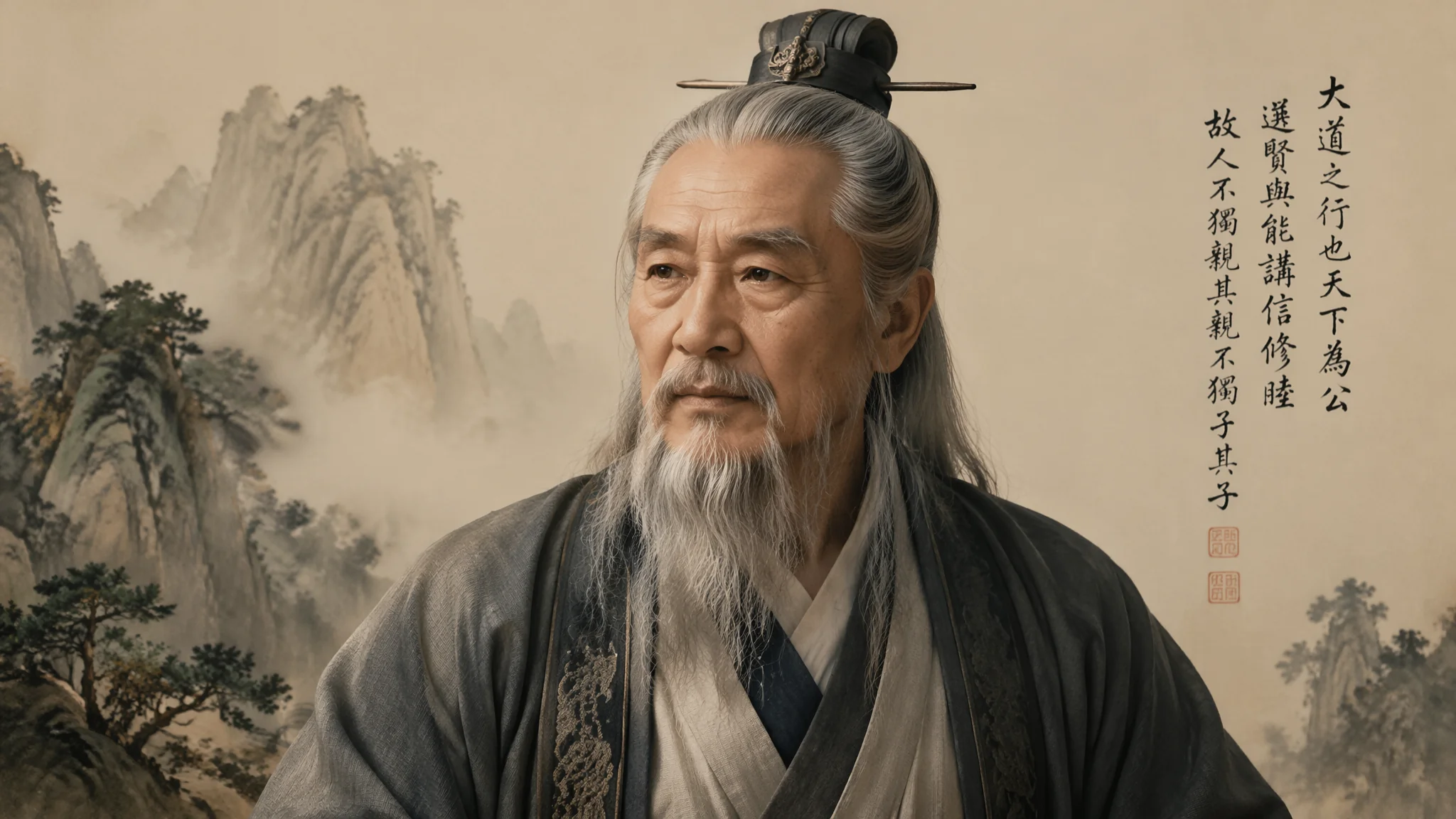
去年画了一套武侠同人——甲方点名要"中年时期的杨过":四十多岁、独臂、两鬓微霜、眼神里有看透世事的疲惫也有面对强敌时未灭的锋芒。我用AI试了十几次全翻了——AI画的中年古风男性只有两种模式:要么是"年轻小鲜肉贴了假胡子"(脸太嫩)、要么是"仙风道骨的白胡子老爷爷"(脸太老)。就是画不出那个"四十岁、经历过很多、但还没老去"的中间状态。后来发现——AI对"中年古风男性"的训练数据极其匮乏(训练集里古风角色大多是年轻美少年或老年高人),中年大叔这个品类几乎是个盲区。这篇就是填这个盲区的——从面部沧桑感的控制到古风男装的剪裁到胡须与白发的"中年美学"。
中年面部的"故事感"——皱纹不是衰老,是经历的地图
画古风大叔的面部——皱纹不是用来"显老"的,是用来"讲故事"的。眉间的竖纹是"经常皱眉思考或面对强敌"、眼角的鱼尾纹是"年轻时经常大笑"、法令纹的深度是"长期沉默寡言导致嘴角肌肉下垂"。每一条皱纹都是角色过往经历的视觉记录。
沧桑但未老的面部Prompt——"a man in his early forties with a face that has lived——his features are still handsome but time has etched its story into them, there are fine lines at the corners of his eyes——crow's feet from years of squinting into the sun and smiling despite hardship, a shallow vertical furrow between his brows——the mark of someone who has spent years in deep thought or facing difficult decisions, his nasolabial folds are defined but not deep——they add character to his face without making him look elderly, his jawline is still firm and his neck shows no sagging, his skin has the texture of a man who has spent time outdoors——not leathery but with a slight weathered quality, his eyes are the most striking feature——they hold the weight of experience, a certain weariness mixed with undimmed intensity, these are eyes that have seen war and loss but have not surrendered to despair"。关键控制——"aged but not elderly, weathered but not decrepit, mature but still vital"。三个短语定位年龄区间在35-50岁。
中年面部的"魅力点"——与年轻面孔不同,中年男性的魅力集中在眼睛和下颌。年轻时的俊美是"五官精致",中年时的魅力是"眼神有深度"。所以中年古风大叔的面部Prompt应该把60%的描述比重放在眼睛上——"the eyes are the soul of this face——they hold a complex mixture of emotions: the calm of experience, the shadow of past sorrow, a spark of undying resolve, and perhaps a trace of wry humor at the absurdity of life"。更多面部年龄控制的技巧见AI男性古风绘画。
胡须的四种古风美学——髯、须、髭、虬髯
古风大叔的胡须不是随便"加个胡子"——胡须在古代中国是男性身份和气质的标志。关公的"美髯"、李白的"长须飘然"、侠客的"短髭干练"、狂士的"虬髯怒张"——每种胡须都在说不同的话。
美髯(长须飘逸)——"he wears a long flowing beard that reaches his chest——the beard is well-groomed and silky, not wild or unkempt, the beard hair is black with threads of silver woven through it like streaks of lightning in a dark cloud, the beard moves gently in the breeze, he occasionally strokes it when deep in thought——a gesture of the scholar-warrior, the long beard signifies wisdom, cultivation, and the dignity of age"。短髭(干练短须)——"he has a short well-trimmed beard and mustache——the facial hair is practical and no-nonsense, the beard follows the jawline closely, the mustache is neat and does not extend below the corners of the mouth, this style speaks of a man of action——a swordsman or a military officer who has no time for vanity but maintains discipline in all things"。虬髯(蜷曲浓密)——"his beard is thick and curly like coiled iron wire——the beard is wild and untamed, it covers his jaw and neck in dense dark curls, a few grey hairs are scattered through the black like early frost, this beard style belongs to the warrior-barbarian or the mountain bandit with a heart of gold——it looks fearsome but the eyes above it are kind"。
胡须的一个关键细节——胡须的颜色与头发的颜色不一定一致。四十岁的男人头发可能全黑但胡须里已经夹杂了灰白——"his head hair is still raven-black but his beard shows the first signs of grey——the contrast between the youthful black hair and the greying beard tells the story of stress and time"。这种"头黑须灰"的细节能精准定位角色在"中年"而不是"老年"。更多古风男性造型细节见AI古风俊男绘画。关于中国古代男性胡须文化的考据可以参考中国国家博物馆的历代人物画像藏品——对各个朝代男性面部毛发的美学标准有丰富的视觉资料。
古风大叔的服装语言——宽袍、鹤氅、劲装与披风
古风大叔的服装和年轻角色完全不同。年轻侠客穿"劲装"(修身、利落、便于打斗),大叔穿"宽袍大袖"或"鹤氅"(宽松、有气场、不急于动手)。服装从"战斗功能性"转向"身份表达性"——这是中年角色在视觉上区别于青年角色的核心标志。
宽袍大袖Prompt——"he wears a flowing wide-sleeved robe (da xiu pao) in deep ink-black with subtle silver embroidery along the collar and cuffs——the robe is made of heavy silk that drapes in thick folds, the sleeves are excessively wide——when he moves his arms the sleeves billow like dark wings, the robe is not fitted to the body——it hangs from his shoulders in generous volumes, this style of clothing speaks of authority and leisure——this is not a man who needs to fight, he has people who fight for him, a wide leather belt cinches the robe at the waist with a jade buckle, the overall silhouette is imposing and stately"。鹤氅(道教/隐士风格)——"he wears a hechang——a traditional Daoist-style robe with a crossed collar and wide sleeves, the fabric is undyed raw cotton in a natural off-white or pale grey, the robe is simple and unadorned, it wraps around the body and is secured with a simple cloth sash, the austerity of the clothing reflects a life of spiritual cultivation——he has left worldly vanity behind"。
劲装(中年侠客的战斗装)——如果角色是"仍然在战斗的中年侠客",劲装的选择与年轻角色不同——中年侠客的劲装更加"实用":深色(不容易显脏)、有护具(肩膀有皮甲、手腕有护腕)、面料耐穿(厚棉麻而不是华丽丝绸)。"he wears practical dark-colored fighting clothes——a deep indigo cross-collar tunic with the sleeves bound by leather vambraces at the wrists, a worn leather shoulder guard on his sword arm, the fabric has been mended in several places——this is a working fighter's uniform not a costume"。
场景中的大叔气场——孤独感与掌控感的平衡
古风大叔最有魅力的场景通常有两种模式:一种是在安静的空间里独处(孤独的智者——月下独酌、窗前抚琴、山顶远眺),一种是在自己的"领地"里坐镇(掌控者——帮派大厅的太师椅、茶楼的固定位置、竹林的石桌)。两种场景都在传递同一个信息:这个人不急于证明什么。
孤独智者场景Prompt——"a middle-aged swordsman sits alone on a cliff edge under the full moon——he holds a flask of wine loosely in one hand, his famous sword lies on the ground beside him——unsheathed but at rest, his posture is relaxed but not slumped——there is a coiled readiness even in repose, his eyes gaze at the distant mountains lost in thought, his long robes and greying beard stir gently in the night wind, the scene speaks of someone who has climbed to the peak of his world and found it both magnificent and lonely, the mood is contemplative——not sad, not triumphant, but somewhere between"。掌控者场景——"he sits in the central chair of a grand martial arts hall——the chair is carved from dark rosewood and positioned on a raised platform, his subordinates stand at respectful distances to either side, he leans back slightly in the chair with one hand resting on the armrest, the posture is that of a man completely at ease in his authority——he does not need to sit up straight to command respect, a tea cup sits on the table beside him, steam rising gently, the lighting is warm and controlled——the glow of lanterns rather than harsh daylight, he is the calm center of this world"。
场景选择的一个核心原则——大叔角色的场景应该给他"不被打扰"的空间。年轻角色需要的场景是"冲突中"(打架、追逐、辩论),中年角色需要的场景是"冲突后的宁静"(打完架后擦剑、追完人后喝酒、辩完后看风景)。这个"事后"的时间节点让角色的成熟感自然流露——参考大都会博物馆的亚洲艺术收藏中描绘中年文人武将的画作。
常见问题
AI画出来的古风大叔总是"脸嫩得像二十岁贴了假胡子"——怎么让脸真的"长到四十岁"?
脸嫩的根因是AI对"handsome man"的默认输出是20-25岁的青年标准。强制年龄提升的三步法。第一步——用具体年龄替换模糊描述,不写"middle-aged man"(这个短语被AI理解为"比年轻人老一点=30岁"),写"a man of forty-five years"。第二步——加入年龄的面部结构变化:"his facial bone structure has matured——the cheekbones are more prominent than in youth, the jaw has widened slightly with age, the temples show the subtle hollowing that comes after forty"。第三步——加入年龄的质感变化:"his skin has the texture of middle age——not wrinkled but no longer boyishly smooth, fine lines are visible when the light hits his face at certain angles, the skin around his eyes shows the first signs of crow's feet"。三步叠加=年龄信号从各个维度朝AI施压。
古风大叔角色的"叔味"和"爹味"怎么区分——不想让角色看起来像"说教的老父亲"?
"叔味"(有魅力的成熟男性)和"爹味"(说教的老父亲)之间的分界线在三个地方。眼神——叔味的眼神是"看透但不点破"(一种平等的、有距离感但尊重的注视),爹味的眼神是"俯视的、评判的、准备教训人的"。Prompt区分:"his gaze is level and direct——he looks at you as an equal, there is no condescension in his eyes, he may know more than you but he does not presume to teach unless asked"。嘴角——叔味的嘴角有"若有若无的玩味"(经历过太多所以对大多数事情保持幽默感),爹味的嘴角是"向下抿着的严肃"。体态——叔味是"放松的开放姿态",爹味是"双臂交叉或双手背后的封闭/权威姿态"。这三个微调能把"爹味"扭转为"叔味"。
古风大叔的白发/灰发怎么画才好看——不会看起来像"未老先衰"?
中年人的白发美学核心——白发不是"整个头都白了",而是"黑发中的银色挑染"——两鬓的银丝、额头前的一缕白发、或者从发根开始渐变的灰白。局部白发Prompt:"his hair is predominantly black but threaded with silver at the temples——the grey hairs start at the temples and streak backward like silver lightning bolts through dark clouds, the silver is concentrated rather than scattered——it creates distinctive 'wings' of white at the sides of his head while the top and back remain black, this pattern of greying is famously distinguished——it adds gravitas without making him look elderly, the grey hairs catch the light differently from the black hairs——creating a subtle shimmer effect when he moves"。经典古风大叔白发参考——黄药师(桃花岛主)的"青袍长发已斑白"、或者《卧虎藏龙》里李慕白的"两鬓微霜"。关于白发的详细表现技巧见AI古风白发绘画。