蝴蝶绘画AI教程:美丽蝴蝶和各种昆虫的写实画法
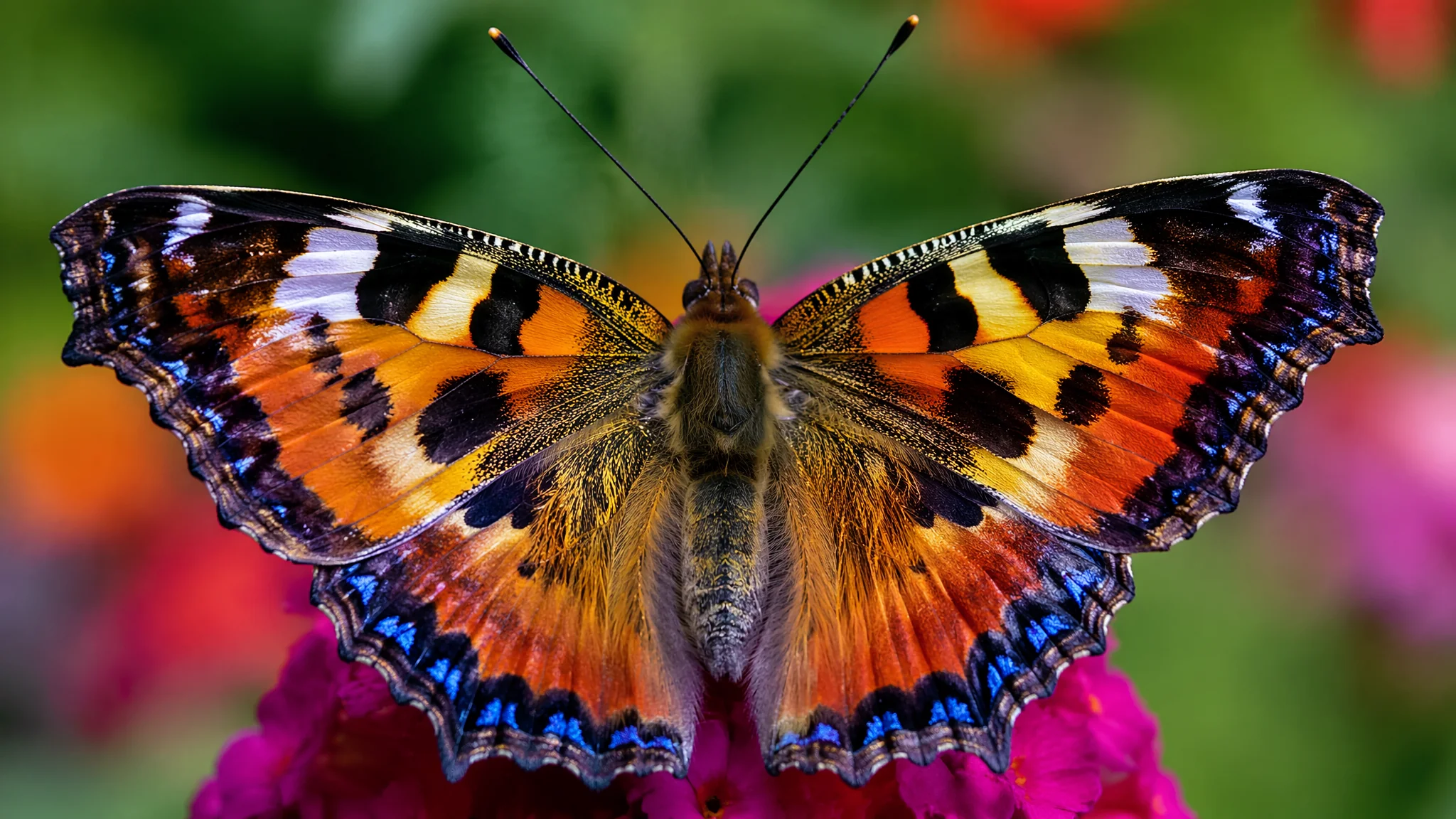
简单说:蝴蝶AI绘画核心是对昆虫生物学结构给出精确指引——不只是画漂亮蝴蝶而是画蓝闪蝶翅膀上微观鳞片在晨光下折射出结构色的蝴蝶。翅膀纹理分层描述(微观鳞片级close-up of morpho butterfly wing+iridescent blue scales+structural color / 宏观全蝶姿态blue morpho butterfly perched on tropical leaf)。不同种类标志性特征(凤蝶尾突/帝王蝶迁徙/枯叶蝶拟态)。甲虫甲壳金属光泽+昆虫微距极浅景深+复眼compound eye with visible ommatidia。昆虫与环境互动产生叙事性。
蝴蝶绘画AI教程:美丽蝴蝶和各种昆虫的写实画法
| 分类:AI绘画
蝴蝶AI绘画核心是对昆虫生物学结构给出精确指引——翅膀纹理分层描述(微观鳞片级iridescent blue scales+structural color / 宏观全蝶姿态perched on tropical leaf)。不同种类标志性特征(凤蝶尾突/帝王蝶迁徙/枯叶蝶拟态)。甲虫甲壳金属光泽+昆虫微距极浅景深+复眼compound eye with visible ommatidia。昆虫微距摄影参考可以看 500px 的 macro 分类,National Geographic 也有大量昆虫经典作品。
蝴蝶是自然题材AI绘画中最受欢迎的主题之一,翅膀的对称花纹和丰富的色彩层次天然适配AI的图像生成能力。FlowPix在处理昆虫类写实画作时,关键是要对昆虫的生物学结构给出精确指引。不只是画一只"漂亮的蝴蝶",而是画一只"蓝闪蝶翅膀上微观鳞片在晨光下折射出结构色"的蝴蝶。
蝴蝶翅膀的纹理画法需要分层描述。鳞片级别的微观细节:"close-up of morpho butterfly wing, iridescent blue scales creating structural color, microscopic ridges visible, light reflecting off wing surface creating shimmering effect, macro photography"。宏观的全蝶姿态则描述翅膀的展开角度和姿态:"blue morpho butterfly perched on tropical leaf, wings slightly open revealing metallic blue upper surface, dark brown underwing with eyespot pattern, dappled jungle light, shallow depth of field"。这两种尺度的描述产生完全不同的视觉效果。
不同种类的蝴蝶有各自标志性的视觉特征。凤蝶的有尾突:"swallowtail butterfly, distinctive tail extensions on hindwings, black and yellow striped pattern, feeding on lavender flower"。帝王蝶的迁徙场景:"monarch butterfly cluster on tree branch, thousands of orange and black wings covering the bark, morning sun backlight making wings glow like stained glass"。枯叶蝶的拟态:"dead leaf butterfly with wings closed, perfect camouflage mimicking dried autumn leaf with veins and brown patches, resting on actual dead leaf for comparison"。了解每个品种的特征后再写提示词,效果远比模糊的"butterfly"好得多。
蝴蝶之外,甲虫类也是AI绘画的热门昆虫题材。锹形虫和独角仙的甲壳质感需要金属光泽描述:"rhinoceros beetle, glossy dark brown exoskeleton with metallic sheen, large curved horn on head, detailed leg joints and tarsal claws, on tree bark in tropical forest, macro detail shot"。甲壳上的光泽要注明光源方向,AI通过光源信息来推算反光的位置和强度。想深入了解反光和材质,可以参考AI墨镜绘画教程里对反光面和透明材质的讨论。
昆虫微距的基础设施需要特殊的构图设定。极端特写用"extreme macro photography, 5:1 magnification ratio"来锁定视角。景深控制用"very shallow depth of field, only eye in sharp focus, rest of body softly blurred into bokeh"。这种极浅景深在视觉上制造梦幻感,同时规避了AI在更大景深范围内可能出现的不协调。昆虫复眼的结构需要在提示词中特别强调:"compound eye with visible individual ommatidia, hexagonal facets reflecting light, alien-like intricate pattern"。
昆虫与环境的互动能产生更强的叙事性。蝴蝶与花的关系是经典主题,但可以加入动态:"butterfly just taking off from flower, motion blur on wing tips, pollen particles floating in air after disturbance"。蚂蚁的社会行为:"line of leafcutter ants carrying green leaf fragments along forest floor trail, detailed ant anatomy, tiny leaf pieces held above heads, ground level perspective"。引用AI绘画化学元素教程的跨学科思路,你也可以把昆虫标本和科学插画的严谨风格结合——"vintage entomology illustration, butterfly specimens pinned on aged parchment, handwritten latin names below each specimen, scientific accuracy meets Victorian aesthetic"。
蜻蜓、蜜蜂与蜻蜓目以外的昆虫AI画法
蜻蜓目昆虫有独特通透感——蜻蜓薄翼强调透明度和纹理dragonfly perched on reed+transparent veined wings catching sunlight+iridescent body。豆娘和蜻蜓区别在翅膀姿态(蜻蜓双翅平展dragonfly with wings spread horizontally / 豆娘双翅合拢damselfly with wings folded together)。蜜蜂毛绒质感和花粉细节honeybee collecting pollen+fuzzy body covered in tiny golden pollen grains关键细节词fuzzy和pollen grains。蜘蛛蝎子偏恐怖美学跳蛛可爱视角cute jumping spider+large front eyes looking at camera。
蝴蝶甲虫之外,蜻蜓目昆虫在AI绘画中有独特的通透感。蜻蜓的薄翼需要在提示词中强调透明度和纹理:"dragonfly perched on reed, transparent veined wings catching sunlight, iridescent body reflecting green and blue, compound eyes with metallic sheen, macro detail on wing membrane"。豆娘和蜻蜓的区别在于翅膀姿态——停落时蜻蜓双翅平展,豆娘双翅合拢——这个细微的生物学差异需要用"dragonfly with wings spread horizontally"或"damselfly with wings folded together"来精确控制。
蜜蜂的毛绒质感和花粉细节是另一个挑战。"honeybee collecting pollen on sunflower, fuzzy body covered in tiny golden pollen grains, translucent wings in mid-flight blur, macro detail on compound eye and mandibles"。关键的细节词是"fuzzy"和"pollen grains",没有这两个词AI倾向于画出光滑的错误质感。蜜蜂群像场景——"swarm of honeybees flying around hive entrance, hexagonal honeycomb cells visible, warm afternoon light, golden amber tones"——适合做自然主题的壁纸和背景。
蜘蛛和蝎子是昆虫画法里偏向恐怖美学的方向。蜘蛛不是昆虫但常被归类在一起讨论。跳蛛的可爱视角:"cute jumping spider close-up, large front eyes looking at camera, fuzzy body, tiny water droplets on head, unexpected adorable arachnid"。蝎子的戏剧性剪影:"scorpion silhouette against desert sunset, raised tail with stinger glowing in backlight, sand texture, dramatic animal portrait"。这两类题材的AI作品在暗黑美学和生物纹身设计里都有不小的市场需求。从昆虫写实到生物多样性视觉档案,这条路可以走得很远——结合AI绘画化学元素教程的科学主题思路,你可以做一套涵盖昆虫纲全部主要目的AI生物图鉴系列。瓢虫和萤火虫也是热门小昆虫题材:七星瓢虫的鲜红甲壳上黑色斑点的几何排列规律非常适合做极简壁纸;萤火虫则在夜间场景里提供迷人的点光源效果——"fireflies glowing in summer night forest, yellow green bioluminescent dots floating, long exposure light trails, magical woodland atmosphere"。昆虫画法的技法体系一旦建立,你就能在自然主题创作中自如切换写实、拟人、奇幻等不同模式,让微型生命在数字画布上获得宏大的视觉叙事。蝴蝶翅膀上的鳞片排列、甲虫鞘翅的虹彩光泽、蜻蜓复眼的六边形阵列——这些微观结构的几何秩序本身就是自然界的抽象画作。
常见问题
AI画的蝴蝶翅膀花纹会不会不对称?
翅膀对称性是AI昆虫画最常遇到的问题。解决方法是在提示词中明确写出"perfectly symmetrical wing pattern, bilateral symmetry, both wings identical"。负向提示词中加入"asymmetrical, uneven wings, mismatched patterns"。如果多次生成仍不对称,试试只描述半蝶,再手动镜像拼接。
怎样画出翅膀的透明和半透明效果?
透翅蝶这类透明翅膀需要用特殊提示词:"glasswing butterfly, transparent wing membrane with visible veins, light passing through wings creating subtle shadow on surface below, translucent texture"。关键词"translucent"和"transparent membrane"能引导AI生成半透材质。"backlight"让光线穿透翅膀进一步强化透明感。
AI能正确画出昆虫的腿和触角数量吗?
昆虫的特征数量(六足、一对触角等)AI经常出错。在提示词中明确标注:"six legs attached to thorax, exactly two segmented antennae"。如果画面不需要展示全部腿部(如侧面视角),可以限制视角来规避错误。对于专注细节的微距创作,每一轮生成后要仔细核查这些解剖学特征。