AI鞋类产品绘画:运动鞋与高跟鞋的时尚质感商业渲染技法
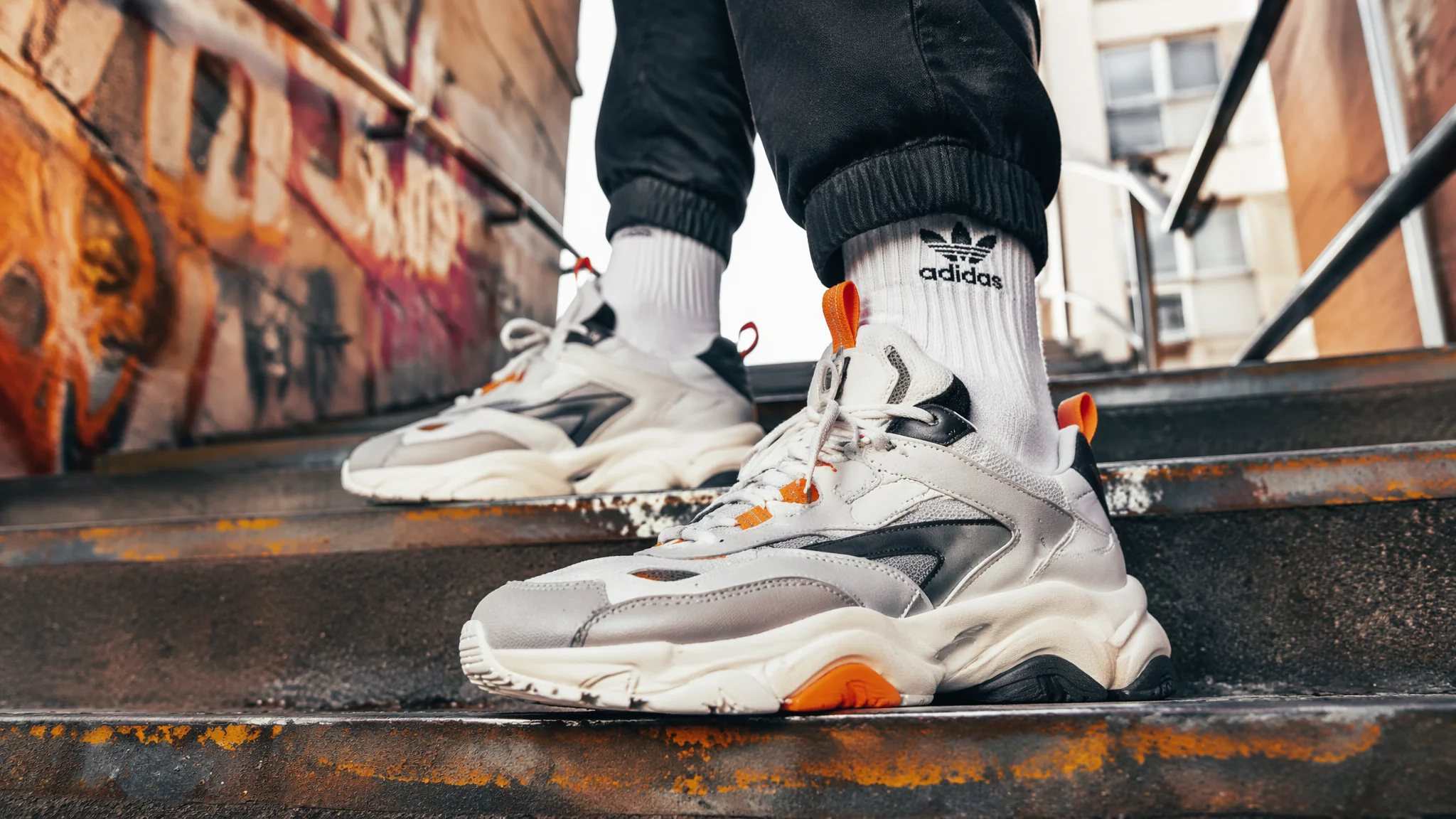
简单说:AI画鞋的核心挑战不是造型——鞋子的轮廓AI学得不错——而是材质。运动鞋的网面、麂皮、橡胶大底、3M反光条,每一种材质对光线的反应都不一样;高跟鞋的漆皮、缎面、蛇皮纹路、金属细跟,质感差一丁点就从"奢侈品"掉到"地摊货"。材质区分是鞋类AI绘画从入门到精通的唯一门槛,跨过去就是专业水平。
朋友做球鞋自媒体,让我帮他出一组新款跑鞋的AI概念图。我心想鞋有什么难的——一个鞋底一个鞋面几条鞋带完事。结果跑出来的图让人哭笑不得:鞋底和鞋面是同一种材质——看起来像整只鞋用一块橡皮泥捏出来的;鞋带像两根面条粘在鞋面上;最离谱的是鞋底纹路——AI不知道鞋底该长什么样,画了一堆无意义的随机凹凸。这次翻车让我意识到:鞋子是人类工程学的浓缩,每一个部件都有功能来历。AI不懂功能,只懂形状。所以你得把"为什么鞋底有这个花纹(抓地力)""为什么鞋头要翘起来(步态滚动)"这种功能逻辑翻译成视觉描述喂给AI。下面从材质到构图把鞋类AI商业绘画体系完整拆一遍。
材质区分——鞋类AI绘画的生死线
一只鞋上至少有五六种不同的材质——如果AI把它们画成同一种质感,整张图就废了。每一种材质都需要独立的视觉描述。运动鞋材质矩阵:网面(mesh)——"breathable engineered mesh upper with visible hexagonal weave pattern, slightly translucent where it stretches over the toe cap, matte finish, textile texture"。麂皮(suede)——"soft suede overlay on the heel counter and eyelets, distinctive nap texture that changes shade depending on the viewing angle, velvety matte surface"。皮革(leather)——"smooth full-grain leather on the Swoosh and mudguard, subtle natural grain pattern, slight sheen but not glossy, premium leather appearance"。橡胶大底(rubber outsole)——"continental rubber outsole with deep geometric traction pattern, slightly textured matte black surface, the tread blocks catch the light differently than the upper materials"。3M反光——"reflective silver 3M material on the heel stripe, catches the camera flash with a bright silver glow, stands out dramatically against the matte upper"。高跟鞋材质矩阵:漆皮——"patent leather with a glass-like high-gloss finish, mirror reflection of the studio lights visible on the surface, liquid shine"。缎面——"satin upper with a soft directional sheen, the fabric shows subtle ripples and folds where it wraps around the last, luxurious silk-like luster"。金属细跟——"chrome-plated stiletto heel, mirror-polished surface reflecting the environment, sharp highlight line running along the heel's length"。材质描述的完整体系可以同步参考AI产品渲染绘画中PBR材质球的标准表达方式。
鞋底工程——AI最陌生的视觉区域
鞋底是AI画鞋的最大黑洞——因为训练数据里鞋底照片少,AI靠猜。猜出来的结果就是随机几何纹理+诡异厚度比例。我的解决方案:把鞋底描述拆成几个功能模块。外底(outsole)——接触地面的最外层,有花纹。"rubber outsole with a waffle traction pattern, the tread blocks are arranged in a functional geometric grid, the rubber wraps up slightly at the toe and heel for durability"。中底(midsole)——缓冲层,通常是泡沫材质。"thick EVA foam midsole with a slightly textured surface, the foam has a matte white finish with subtle compression lines near the heel, visible cushioning technology"。鞋底侧面——"the sidewall of the midsole has laser-etched technical text and subtle contour lines that follow the shape of the foot arch"。你把鞋底拆成这三个功能层描述,AI终于能画出"看起来像真实鞋子底部"的东西了。跑鞋大底参考可以去Vibram官网看专业橡胶外底的设计逻辑,对理解鞋底花纹的功能美学帮助很大。
构图角度——电商白底图、展示漂浮图、场景穿搭图
鞋类绘画三大商业构图各有各的Prompt骨架,别混用。电商白底图:"single shoe isolated on pure white background, product photography style, three-quarter angle showing the lateral side, even studio lighting with soft shadows on the ground plane, the shoe fills 80% of the frame, commercial e-commerce clean look"。关键是"three-quarter angle"(四分之三角度)——这是运动鞋展示的标准视角,能看到鞋面、鞋底侧面和鞋头三个信息面。展示漂浮图:"a pair of sneakers floating dramatically in mid-air, pieces of the shoe deconstructed and exploding outward to reveal the internal technology, dynamic composition on dark gradient background, concept art style"。场景穿搭图:"the sneakers worn with cuffed jeans on a city street, shot from a low angle looking down, candid street style photography, wet pavement reflecting neon lights, the shoes are the hero of the outfit"。三种构图对应三个商业场景:卖货、发布会、品牌氛围。更多电商视觉标准可以看AI电商产品绘画的完整布光和角度指南。
皮革和光泽——高跟鞋的灵魂在反光
高跟鞋AI绘画的质量95%由皮革反光决定——反光的形状、锐度、位置共同构建了材质感知。漆皮和哑光牛皮的区别在于反光的"锐度"——漆皮的反光是锐利的镜面高光,边缘清晰像刀切一样;哑光皮的反光是柔和渐变的,边缘模糊过渡。"the patent leather has a razor-sharp specular highlight with hard edges, you can clearly see the reflection of the studio softbox in the glossy surface" vs "the matte leather has a soft diffused sheen with no defined highlight edge, the light wraps gently around the curves of the shoe"。还有一个作弊技巧:在高跟鞋旁边放一个光源的反射暗示——"a glimpse of a window reflection visible in the curved heel, the glossy toe cap mirrors the white studio ceiling"。当AI理解这个表面是一面镜子之后,皮革质感立刻好了三倍。产品摄影布光原理推荐在Karl Taylor Education上搜"product photography lighting",免费的布光教程吃透后写Prompt的精准度完全不同。
鞋带和辅料——容易被忽视的细节决定品质感
鞋带不是两条线——是立体的编织绳索,穿过鞋眼时会因为张力和摩擦力产生明确的变形。AI喜欢把鞋带画成"粘在鞋面上的两条白色带子"。"flat woven laces threaded through reinforced metal eyelets, the laces are slightly loose in the middle and tighter near the ankle where they are tied, the aglets (plastic tips) are visible at the lace ends, the laces cast subtle shadows on the tongue of the shoe"。另一个常被忽略的细节是鞋标和logo——"a small woven label on the tongue with visible text, the brand logo is debossed into the leather on the heel tab, subtle branding that adds authenticity"。辅料小而关键——一个画得好的鞋眼扣、一条清晰的缝线、一个精致的logo压印——这些加起来才构成"贵"的感觉。细节刻画的方法论可以参考AI配饰细节绘画的精细化技巧。
常见问题
AI画的运动鞋左右脚总是不一样?
画两只鞋时AI经常把一只画成左脚一只画成"四不像"。解决方案:先画单只,确认设计没问题后,用"a pair of identical sneakers, left and right shoes matching perfectly, mirror symmetry"来生成成对。或者干脆只画单只展示——球鞋圈视觉文化里单只展示非常主流。
高跟鞋的细跟总是画歪或画断?
加" structurally sound stiletto heel perfectly perpendicular to the ground, straight and centered under the heel of the shoe"。如果还歪,在Prompt里加"architectural precision, the heel is engineered like a column supporting the shoe"。AI对建筑术语的理解能迁移到结构精度上。
怎么画鞋子的"上脚图"而不是"静物图"?
加入人类的尺度参照:"the sneaker is being worn, a glimpse of ankle and cuffed jeans above the shoe collar, the foot inside gives the shoe its natural shape, the laces are tied around a real ankle, not an invisible mannequin"。
一只好鞋值得一个好画面。AI最大的价值不是替代产品摄影师——是让你在产品还没打样的时候就能看到它摆在货架上的样子。质感、比例、光影全部可控可调,设计方案迭代速度比传统流程快十倍。这个能力,以前只有大品牌养得起的工业设计团队才有。