AI纹身人物绘画:刺青图案与身体艺术的角色视觉设计指南
我自己没有纹身——但我最好的朋友是纹身师。他在成都开了一家小店,周末我去他店里坐着,看他在客人的皮肤上工作。有一次他让我用AI帮他给客人做纹身方案预览——客人想在小臂上纹一条锦鲤,但不确定大小和位置。我用AI跑了六张不同构图和配色的锦鲤纹身,贴在那位客人手臂的照片上。客人选了第三版——锦鲤逆流而上,尾部甩出的水花变成了几片樱花花瓣。纹完之后客人对着镜子看了又看,然后说:"它就好像……本来就应该长在我的手臂上。"那一瞬间我理解了——好的纹身不是"贴在身上的画",是那个图案和这个人的身体、肌肉走向、骨骼结构发生了某种"化学反应",变成了身体的一部分。这篇就是探讨AI如何在"皮肤上"而不是"纸面上"画纹身。
纹身"长在皮肤里"的视觉密码——不只是降透明度
很多人以为AI画纹身就是把一个图案"贴"在皮肤上然后降低不透明度——结果就是一团灰蒙蒙的模糊色块,既不像纹身也不像胎记。真纹身在皮肤里有三个视觉层次:第一层——墨水在真皮层的位置(不是表皮,所以黑色不是纯黑而是透着皮肤色的蓝黑);第二层——皮肤覆盖在墨水上的半透明表皮(有纹理、毛孔、汗毛穿过的立体感);第三层——环境光在皮肤表面的反射(纹身部分的皮肤和非纹身部分的皮肤对光的反射率不同——纹身处更哑光因为色素颗粒改变了皮肤的光学特性)。
三层合在一起的Prompt写法:"the tattoo ink is embedded in the dermis layer beneath a thin translucent epidermis, the black ink has a natural blue-grey undertone filtered through the skin——not artificial pure black, the skin over the tattoo is alive and textured with visible pores and fine vellus hairs casting tiny shadows, the tattooed skin has a slightly different light reflectance than the surrounding untattooed skin——it appears more matte because the ink particles diffuse the subsurface scattering, viewed in natural window light that reveals the skin's living quality"。关键科学概念:subsurface scattering(次表面散射)——光穿透皮肤表层后在里面反弹再出来,这个现象在有纹身的皮肤上会发生变化。把这个概念写进Prompt,AI会调用更真实的皮肤渲染逻辑。关于皮肤渲染的更多技巧可以参考AI写实人像绘画中的皮肤质感控制。Instagram搜"realism tattoo"可以看到全球顶级写实纹身作品,Pinterest搜"tattoo on skin texture reference"则有大量纹身+皮肤纹理的细节参考图。
四种纹身风格——从黑白写实到水彩晕染
黑白写实纹身(Black and Grey Realism)。适合肖像、动物、宗教题材。核心是"灰色调不是灰——是稀释的黑墨水在不同深度呈现的层次"。"a black and grey realism tattoo on the forearm, the shading is built with thousands of tiny dots and lines of diluted black ink creating smooth tonal transitions from deep charcoal to the bare skin tone, the image is a wolf portrait with every strand of fur individually rendered, the tattoo has a three-dimensional quality as if the wolf is emerging from beneath the skin's surface"。写实纹身的评判标准——从一米外看,会不会误以为是黑白照片。
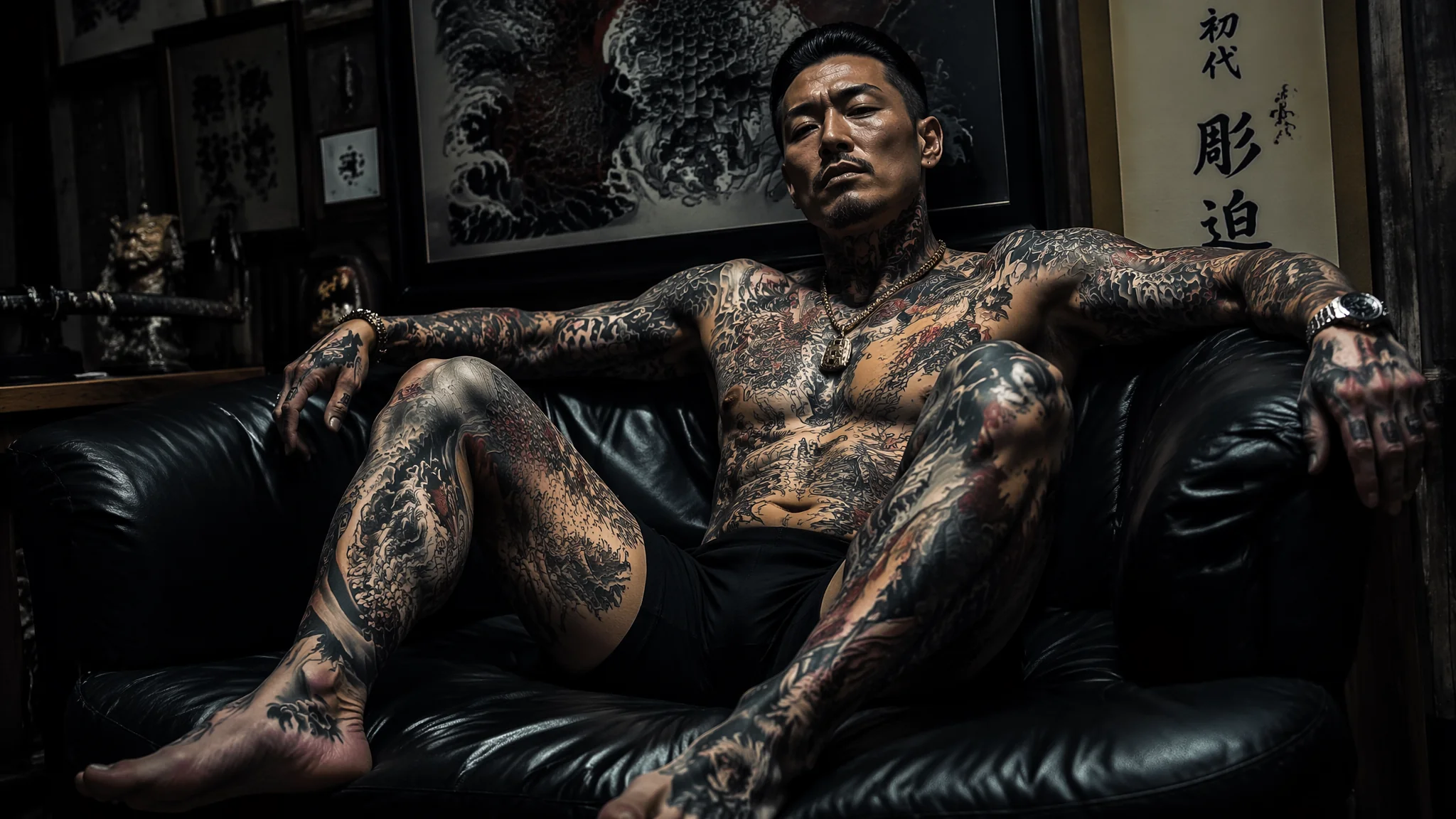
日式传统纹身(Irezumi)。适合龙、锦鲤、牡丹、波浪等传统题材。"a traditional Japanese Irezumi-style full sleeve tattoo, the background is composed of wind bars and water waves in dark grey forming a dynamic flowing backdrop, the foreground features a vibrant orange koi fish swimming upstream with cherry blossom petals scattered around, the colors are bold and saturated——vermilion red, indigo blue, and golden yellow, the outlines are thick and confident with varied line weight, the overall composition follows the natural muscle flow of the arm"。日式传统纹身的灵魂是"背景"(风纹和水纹)——前景的主体是在背景的流动中出现的。没有背景的日式纹身只是"日本题材的图案"。
水彩纹身(Watercolor Tattoo)。适合抽象、自然、女性化题材。"a watercolor-style tattoo on the shoulder blade, the design looks like it was painted directly onto the skin with wet watercolor pigments——colors bleed and blend organically without hard outlines, splashes and drips of pastel ink extend beyond the main design, the colors are translucent like stained glass——layers of overlapping washes create depth, no black outline, the edges blur softly into bare skin"。水彩纹身的关键——"没有黑色轮廓线"。AI如果加了轮廓线,水彩纹身就变成了"填色本"。
几何纹身(Geometric/Ornamental)。适合手臂、腿部条状区域。图案和人体结构的精确关系比图案本身更重要。"a geometric ornamental tattoo on the inner forearm, the design is composed of precise interlocking mandala patterns and sacred geometry forms, the dotwork and linework are executed with surgical precision——every line is the same consistent weight, the pattern is perfectly symmetrical along the central axis of the arm, the design creates an optical illusion of depth through varying dot density, the negative space of bare skin is as important as the inked areas"。几何纹身的评判标准——拿尺子量,对称误差不超过半毫米。关于角色身上的纹身设计与整体风格的协调,AI角色设计绘画里有更多关于角色身体修饰的设计逻辑。
纹身的位置与身体叙事——纹身不只是装饰
纹身在角色设计里不应该是"随便加点酷元素"——它应该是角色背景故事的视觉线索。手背上的字母纹身——可能是年轻时的冲动、某个人的名字缩写、一段不想忘记但又无法面对的过去。胸口中央的护心纹身——可能是某种信仰、精神图腾、或者在某个仪式上被赋予的标记。背部的满背纹身——可能是文化身份的声明、帮派或家族的归属、或者纯粹的艺术追求——但满背纹身的痛感和时间投入本身就说明这个人有极高的疼痛耐受力和决心。
写Prompt时给纹身一个"理由"而不只是"图案":"the character has a faded name tattoo on the inner wrist——the name is half-covered by a newer, more elaborate design suggesting a deliberate attempt to overwrite the past, the old ink is grey and blurred at the edges while the new tattoo is sharp and black"。这种"旧纹身被新纹身覆盖"的细节比单个漂亮纹身更有叙事力量。更多角色叙事设计的方法可以参考AI战甲女战士绘画中提到的"身体叙事"概念。
常见问题
AI画的人物身上纹身位置不对——比如全身纹身的那个人脸和脖子上突然干干净净?
AI对纹身的分布逻辑没有常识——它不理解"如果这个人全身都是纹身,脸和脖子通常也会有"。解决方案:在Prompt里明确列出纹身覆盖的身体部位:"the character has extensive tattoos covering the arms, chest, neck, and the sides of the face——the tattooing is comprehensive and follows the body's natural topography, no large areas of bare skin on the upper body"。列出具体身体部位可以降低AI的随机遗漏概率。
彩色纹身在深色皮肤和浅色皮肤上的表现不同,Prompt怎么区分?
深色皮肤上纹身——墨水的对比度降低,颜色被肤色"吸收"一部分,白色墨水在深色皮肤上反而成为视觉焦点。"on dark skin, the tattoo colors are more muted and integrated with the skin tone——the ink adds texture and subtle color shifts rather than high contrast, white ink highlights stand out prominently"。浅色皮肤上纹身——对比度高,颜色饱和。"on pale skin, the tattoo colors appear vivid and punchy, the black ink creates a strong graphic contrast against the light background"。肤色的物理特性直接影响纹身的视觉效果——AI需要被明确告知这一点。
用AI生成的纹身图案去纹身店照着纹——有版权风险吗?
AI生成的图案可以纹在身上——目前没有法律规定AI生成的纹身设计有版权问题(图案"印在皮肤上"本身不涉及版权侵权)。但两个注意点:一,如果AI生成的图案恰好和某个已存在的纹身师原创作品高度相似——你可能在不知情的情况下"复刻"了别人的创作(这在纹身圈是敏感行为);二,如果你找的纹身师是完全照着AI图一模一样扎——好的纹身师会介意(他们更愿意把AI图当"参考"然后用自己的风格重新设计)。更多关于AI版权的讨论,AI绘画防侵权指南里有系统的版权分析框架。
朋友店里有个老顾客——一个六十多岁的退伍军人,左臂上有一条模糊到快看不清的青龙。那是他二十岁时在部队旁边的小纹身摊上扎的——墨水劣质、线条歪斜、龙的爪子少了一根。他来找我朋友想遮盖它,但又不想完全盖掉——"想让它还在那里,但让它老得体面一点。"我朋友在他的旧青龙上设计了一条新的——更大、更威武、但龙头的位置刚好露出了旧青龙那只少了一根爪子的脚。老顾客看着完成图沉默了很久,然后说:"它五十岁了——该升级了。"好的纹身从来不是一张图——是一个人带着一段历史走过漫长的时间。