AI惊恐表情绘画:恐惧感的瞳孔放大与面部扭曲表现技巧
我做过一个恐怖游戏的角色设定——主角在看到怪物时的惊恐表情需要从"轻微紧张"到"彻底崩溃"分五级渐变。第一次用AI跑这组表情,结果惨不忍睹:轻度紧张像便秘、中度恐惧像打喷嚏、极度恐惧像在笑。AI根本分不清"恐惧"和"惊讶"的面部区别,因为这两种表情在训练数据里经常被混在一起。
恐惧表情在AI绘画里翻车率极高。原因很简单:恐惧和惊讶共享了百分之七十的面部特征(眉毛上扬、眼睛睁大、嘴巴张开),但剩下的百分之三十恰恰是最关键的——恐惧的下眼睑会紧张收缩、嘴角会向两侧拉伸而不是向下、颈部的颈阔肌会绷紧形成纵向条索。AI不会自动区分这些微妙差异,你得逐条写进提示词。
恐惧的解剖学:七块关键肌肉的协同收缩模式
恐惧表情不是"一张害怕的脸"——它是额肌、皱眉肌、眼轮匝肌、上睑提肌、颧小肌、笑肌、颈阔肌七块肌肉同时收缩的结果。每块肌肉在提示词里有对应的英文术语。额肌:"frontalis muscle tensed, horizontal worry lines across forehead, eyebrows raised and drawn together in fear configuration, not just elevated but also adducted inward"。眼轮匝肌:"orbicularis oculi lower portion contracted, lower eyelid tensed and raised, visible sclera above iris but not below, fear-specific eye shape distinct from surprise"。口周肌肉:"risorius muscle pulling mouth corners laterally not downward, lips stretched thin and tense not slack, teeth partially visible through parted lips, platysma muscle visible as vertical neck bands"。有一个解剖学上的关键区分点:惊讶时嘴巴是垂直张开的(下巴掉下来),恐惧时嘴巴是水平拉伸的(嘴角向两侧拉开)。这个区别写进提示词之后,AI生成恐惧表情的准确度直接翻倍。AI面部表情与情绪表现技法里有更完整的表情解剖学体系。
瞳孔放大:恐惧的核心视觉信号
瞳孔大小是恐惧最原始、最无法伪造的生理信号。极度恐惧时瞳孔可以放大到正常状态的三到四倍——这个细节如果画对了,观众的本能反应就会被激活。瞳孔放大描述词:"massively dilated pupils covering most of visible iris, only thin ring of iris color remaining around enlarged pupil, pupils appearing as dark pools reflecting inner terror, sympathetic nervous system response visible through eyes"。虹膜处理:"iris color barely visible as thin ring around dilated pupil, contrast between dark pupil and pale iris ring intensifying fear expression, catchlight reduced to single tiny point in vast dark pupil"。眼部整体:"wide-eyed terror stare, upper and lower eyelids retracted exposing full iris, but lower lid tense not relaxed, thousand-yard stare through viewer, eyes appearing larger than normal proportion"。瞳孔光点有一个容易被忽略的技巧:恐惧状态下瞳孔的高光要缩小甚至省略——正常人像需要的大瞳孔高光在恐惧表情里会破坏"空洞感"。因为极度恐惧时人的眼睛不聚焦在任何具体物体上,眼神是涣散的。Paul Ekman是面部表情研究的权威学者,他的网站上对恐惧等基本情绪的面部编码有科学级的详细描述。
恐惧的五级渐变:从紧张到崩溃的情绪光谱控制
第一级(不安):眉头微蹙、瞳孔略大、嘴唇轻抿。第二级(紧张):额头出现细纹、瞳孔明显放大、呼吸节奏加快可见。第三级(恐惧):眉毛完全上扬并内收、眼睛瞪大、嘴角向两侧拉伸。第四级(极度恐惧):面部肌肉全面收缩、冷汗可见、肤色发白。第五级(崩溃):面部扭曲失去控制、泪水或口水失控、表情已经超越了"恐惧"进入了精神瓦解。第一级:"subtle unease expression, slightly furrowed brow, mildly enlarged pupils, lips pressed together gently, overall composed but visibly uncomfortable"。第三级:"full fear expression, eyebrows raised and drawn together, eyes wide with visible sclera above iris, mouth stretched horizontally in fear grimace, sweat beading on temples, skin tone paling slightly"。第五级:"complete terror beyond rational control, face contorted in primal fear, tears streaming from wide unblinking eyes, mouth open in silent scream, facial muscles trembling, expression of someone confronting absolute horror"。五级渐变在实际项目里极其有用——恐怖游戏、漫画、插画里经常需要展示同一角色在不同恐惧程度下的变化。AI情绪渐变与角色表情包生成里有更多情绪过渡的创作方法。
光影与色彩:用画面氛围放大恐惧心理
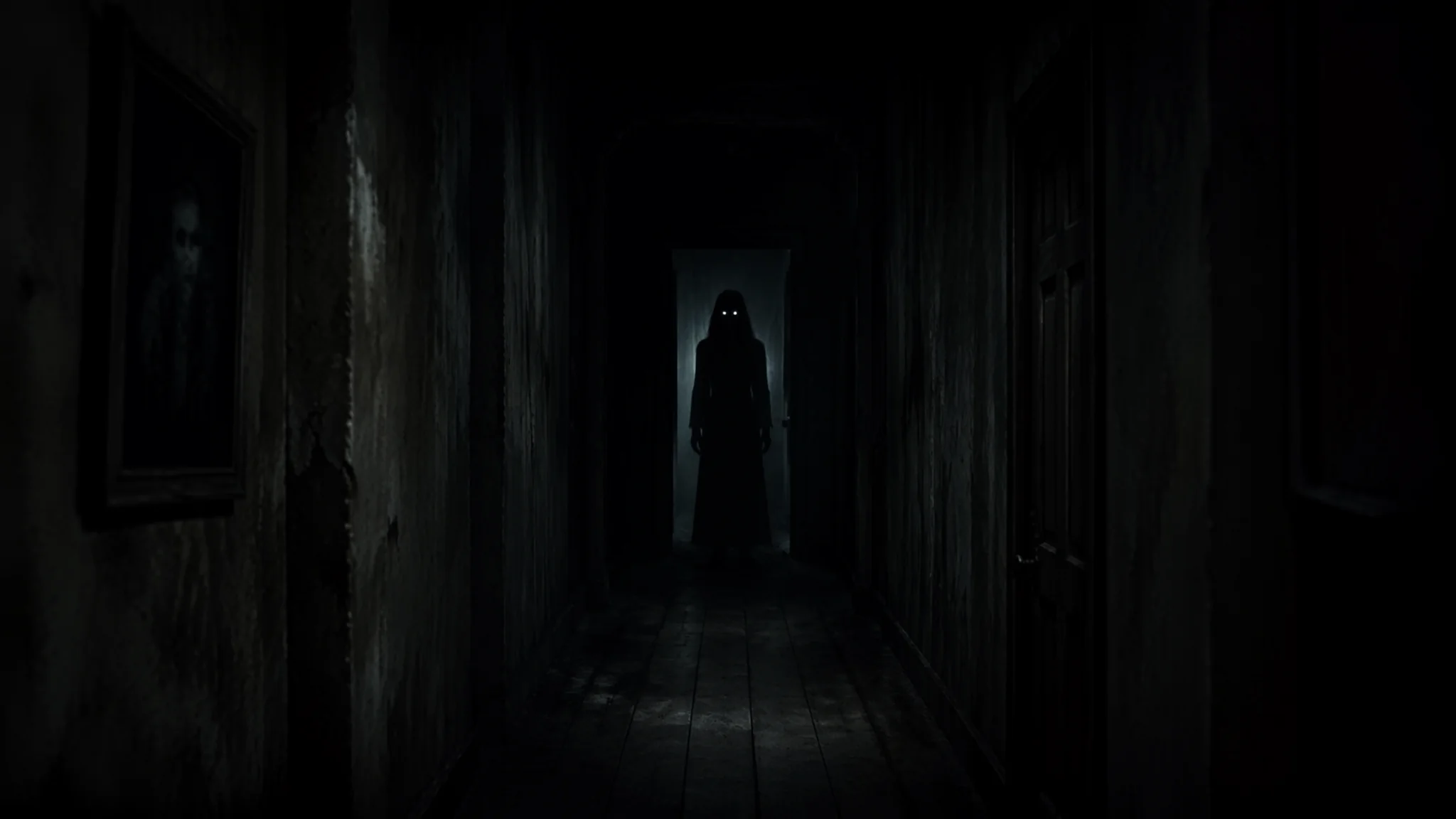
恐惧的光影配方:底光(从下方照上来的光)天然带有恐惧感、高对比度明暗制造不安、冷色调加局部暖色制造生理不适。底光恐惧:"under-lighting horror effect, light source from below casting unnatural upward shadows on face, inverted shadow pattern disrupting facial recognition, classic campfire horror story lighting, eye sockets becoming dark voids"。高对比度:"harsh single light source creating deep shadows across face, half of face in complete darkness, stark chiaroscuro suggesting danger lurking in shadows, no fill light to soften terror"。色彩恐惧感:"desaturated color palette with selective sickly green or cold blue tones, skin appearing bloodless and ashen, contrast between cold overall tone and blood-red accent details, color grading suggesting physiological stress response"。底光那招我百试百灵——把手电筒放在下巴下面往上照,你自己照镜子都会被自己吓一跳。AI对这个光效的理解非常准,因为恐怖电影里用了太多次。AI恐怖氛围与惊悚场景创作里有更多恐怖视觉语言的内容。
恐惧的全身表现:不只是脸在害怕
恐惧是全身反应——肩膀耸起保护颈部、手臂下意识挡在身前、手指蜷缩或僵硬张开、双腿微屈准备逃跑。脸部画得再恐惧,身体姿态不对就全穿帮了。防御姿态:"defensive body language, shoulders hunched upward toward ears protecting neck, arms raised instinctively to shield face and torso, hands in claw-like tension with fingers spread, body leaning backward away from threat"。僵硬反应:"freeze response to fear, entire body rigid and motionless, muscles locked in tension, shallow breathing visible through slight chest movement, deer in headlights posture, pupils the only moving part"。逃跑预备:"fight-or-flight stance, body weight shifted to back foot ready to pivot and run, one arm reaching behind for balance, head turned back toward threat, dynamic tension between facing danger and fleeing"。面部+身体姿态一起写,恐惧的冲击力是光写面部的三倍以上。做角色设计的时候尤其要注意这一点——只画脸的恐惧表情只适合特写镜头。Body Language Project网站上有大量关于恐惧相关肢体语言的学术级分析,对写身体姿态提示词非常有帮助。
常见问题
AI惊恐表情绘画常见问题集中在恐惧与惊讶混淆、瞳孔表现失真和恐惧感不足方面。AI生成的恐惧表情为什么总是像惊讶?
核心区分点:恐惧的眉毛是"上扬+内收"(眉头上扬、眉头向中间靠拢),惊讶的眉毛是"上扬但不内收"。恐惧的嘴是水平拉伸的,惊讶的嘴是垂直张开的。在提示词里明确写"fear not surprise""eyebrows drawn together in fear configuration""mouth stretched horizontally not dropped open"。
瞳孔放大的效果AI能表现到什么程度?
Midjourney可以表现到"瞳孔占据虹膜百分之八十面积"的程度,但再大就容易失去瞳孔的边缘定义了。要极端放大的话,加上"almost fully black eyes""pupils blown wide from adrenaline"这类词,但需要接受此时眼睛看起来会有点超现实。
恐惧表情会不会看着很假、像在演戏?
假感往往来自"表情太干净"——真实的极度恐惧伴随着汗水、乱发、扭曲的皱纹和不对称的面部肌肉反应。加"messy disheveled appearance""asymmetrical facial tension""raw unfiltered emotional display",破坏完美感反而增加真实感。
觉得有用的话分享给朋友吧。