AI交通场景绘画:车辆道路与城市流动感的视觉创作
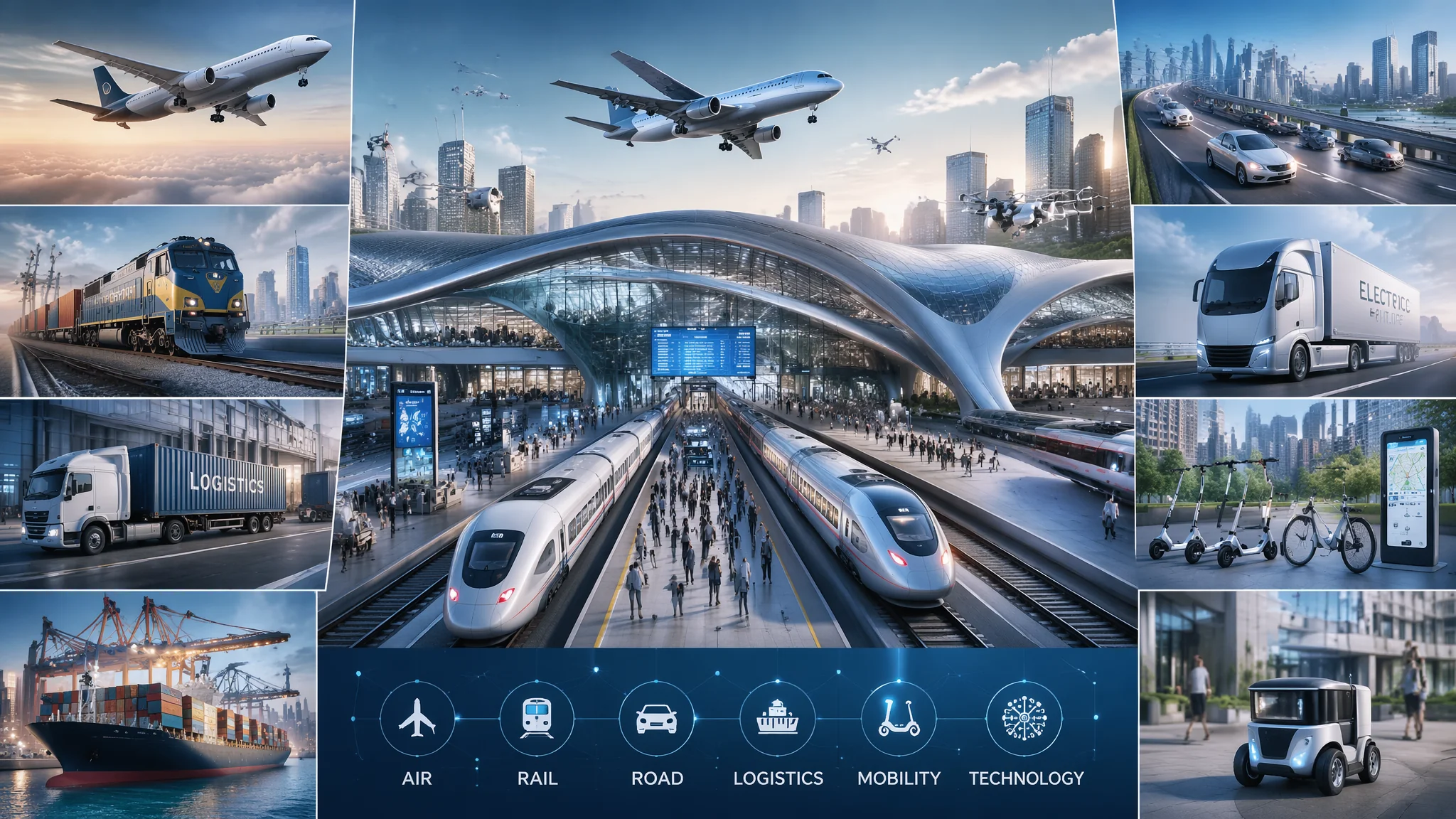
简单说:AI画交通场景的精髓不在"画什么车"——在"画什么速度"。静止的汽车是产品摄影,运动的汽车才是交通场景。动态模糊(motion blur)、光轨拖尾(light trails)、被风吹起的头发和衣角——这三个"速度信号"决定了画面是"停车场"还是"城市脉动"。
我自己做交通场景的AI绘画起源于一个插画项目——需要一组"东京雨夜街头"的氛围图。第一次写"Tokyo street at night with cars",出来的是什么呢——干干净净的路面、停得整整齐齐的车、像个汽车展厅而不是街道。我盯着图看了半天,突然意识到问题:画面里没有任何东西在"动"。从那次开始我把"流动感"作为交通类AI绘画的第一优先级——车不重要,速度才重要。
速度感的三层视觉信号
第一层:动态模糊(物体本身模糊)。第二层:光轨拖尾(光源留下拖影)。第三层:环境响应(被速度影响的周围物体——飘动的衣角、溅起的水花、被风压弯的树枝)。三层信号至少激活两层,速度感才立得住。动态模糊的关键词:车流——"cars captured with slow shutter speed creating motion blur""traffic streaks of red taillights and white headlights stretching across the frame""panning shot following one sharp car while background streaks blur"。火车——"train rushing through the station, the platform a blur of motion""bullet train slicing through the landscape, speed lines in the air"。人流——"commuters blurred into ghostly figures rushing through the station""crowd in motion, individuals become streaks of color"。光轨拖尾的关键词:车灯——"long exposure of highway at night, continuous ribbons of red and white light weaving through the darkness""taillight trails painting curves on the overpass like luminous calligraphy"。霓虹+车流——"neon signs reflecting in the wet pavement, their colors smeared into long exposure streaks by passing traffic"。环境响应的关键词:雨天——"water spraying from tires on wet asphalt""puddle splashing as a bus passes through""rain streaking horizontally across the frame, pushed by the wind of traffic"。人物——"pedestrian's coat billowing in the gust from a passing truck""hair whipped across face by the wind of speeding traffic""newspaper pages caught in the turbulence of a bus passing"。关于动态场景的构图思路,AI城市生活场景绘画里有更多城市氛围的构建方法。如果想深入研究城市交通摄影的视觉语言,Magnum Photos的街头摄影档案中关于动态模糊与城市流动感的经典作品对AI交通场景的构图启发极大。
五种交通场景类型的关键词配方
高架夜拍、雨夜十字路口、火车站台、地铁隧道、郊区公路——五种场景各有专属关键词,但速度信号是通用底层。高架夜拍(Overpass night):写"elevated highway at blue hour, long exposure transforming car lights into flowing rivers of gold and ruby, the overpass curves like a concrete ribbon through the city, skyscrapers in the background fading into twilight purple, cinematic composition"。关键元素:blue hour(天没全黑,保留了天空的层次)、long exposure(光轨的成因)、curves(曲线的路比直线更有流动感)。雨夜十字路口(Rainy intersection):写"busy Shibuya-style intersection in heavy rain, hundreds of umbrellas forming a moving canopy, traffic lights reflecting in the wet pavement creating pools of red, green, and amber, motion blur on everything except one figure in the center waiting to cross"。关键元素:wet pavement + reflection(雨天专属的光影魔法)、sharp single figure in blur(一个人清晰而周围模糊,戏剧性极强)。火车站台(Train platform):写"subway platform during rush hour, a train blurring past while waiting passengers remain relatively sharp, the wind of the passing train lifting scarves and newspapers, fluorescent lighting mixing with the train's headlight beam cutting through the underground darkness"。关键元素:静止与运动的对比(waiting passengers sharp, train blurred)、人造光源的混合色温。地铁隧道(Subway tunnel):写"view from inside a moving subway car looking into the next car through the connecting door, the tunnel walls rushing past the windows in streaks of darkness punctuated by signal lights, passengers inside the car in sharp focus creating a bubble of stillness within the rush of motion"。关键元素:框中框构图(connecting door = 自然框架)、静止气泡 vs 运动背景的对比。郊区公路(Country road):写"endless straight highway cutting through the desert, heat haze shimmering above the asphalt, a single vintage car tiny in the vast landscape, telephone poles receding into infinity, golden late afternoon light"。关键元素:消失点构图(vanishing point + receding = 自然的纵深感和"在路上"的情绪)。车辆细节的创作在AI汽车绘画教程中有专门的展开。
交通工具本身的AI绘画要点
AI画汽车最大的问题是"品牌识别度混乱"——你写"BMW"它可能给你画一个像宝马又像奥迪又像奔驰的缝合怪。解决方案是:不写品牌名,写设计特征。汽车设计特征词:轿车——"sleek sedan with coupe-like roofline""executive saloon with long wheelbase and short overhangs""compact hatchback with sporty stance"。跑车——"mid-engine supercar with aggressive aero kit and rear diffuser""low-slung two-seater with scissor doors""classic front-engine GT car with long hood and fastback silhouette"。SUV——"rugged off-road SUV with boxy silhouette and high ground clearance""urban crossover with panoramic glass roof"。复古车——"1960s Italian grand tourer with wire wheels and chrome bumpers""American muscle car with hood scoop and racing stripes""classic Volkswagen microbus with split windshield and two-tone paint"。公交车——"double-decker red London bus""articulated city bus with accordion middle section""vintage tram with wooden interior and brass fittings"。火车——"high-speed bullet train with aerodynamic nose cone""steam locomotive with billowing smoke and gleaming brass""modern electric commuter train with sliding doors and digital displays"。关于火车主题,AI火车主题绘画有更完整的火车类关键词库。所有交通工具都有一个共同的"AI翻车点":轮子。AI总是把轮子画歪、画错数量、画成椭圆。对策:SD用户用ControlNet直线检测约束轮子的几何精度;MJ用户用Vary Region局部重绘车轮;或者干脆用运动模糊把轮子糊掉——糊掉的轮子比画歪的轮子体面得多。
交通氛围的时间与天气魔法
同一个交通场景,时间(黄昏vs午夜vs清晨)和天气(雨vs雾vs雪)切换后完全是两幅画。时间是情绪,天气是质感——这两样是交通场景的"氛围乘法器"。时间维度:blue hour(黄昏与夜晚之间的二十分钟)——"twilight traffic, the sky still holding deep blue while city lights have already come on, car headlights painting the wet streets, the most cinematic moment of the day";midnight——"empty city streets at 3am, a single taxi's taillights disappearing around a corner, street lamps creating pools of orange light on damp pavement, lonely and quiet";golden hour——"late afternoon sun blasting horizontally through the city canyon, every car windshield becoming a blinding golden mirror, long dramatic shadows"。天气维度:雨——已经是最常用的交通场景天气,但记住写"rain-slicked asphalt reflecting neon""windshield wipers mid-sweep""steam rising from the road after summer rain"。雾——"fog rolling through the city, headlights becoming soft glowing orbs, cars emerging from the mist like ships from the sea, visibility reduced to fifty meters"。雪——"snow falling on a quiet street, tire tracks the only mark on fresh snow, warm light spilling from windows of passing buses, muffled silence of a snow-covered city"。天气在画面中的权重分配在AI雨景氛围绘画中有详细的讨论。对于长曝光摄影中光轨效果的物理原理,SLR Lounge的长曝光教程虽然是摄影向的,但光轨形成的原理直接适用于AI提示词中motion blur和light trails的编写。
常见问题
为什么我画的车流看起来像停车场?
因为你没写曝光时间。AI默认曝光时间是"瞬间"——所有东西都是静止的。加"long exposure photography""slow shutter speed 2 seconds""motion blur intentional""light trails from moving vehicles"——AI才会理解"这些车是在动的"。
AI把车的品牌标志画成一团乱码怎么办?
别让AI画品牌标志——它会生成一些看起来像字母但又不是字母的诡异符号。方案一:不写品牌名,改用设计语言描述。方案二:如果真的需要车标,后期用PS叠一个真实的logo图上去——这比跟AI死磕效率高一百倍。
交通场景里的人物总是很诡异怎么办?
交通场景里的人物最好处理成"半模糊的过客"——"commuters reduced to motion-blurred silhouettes""a single sharp figure waiting at the crosswalk while everything else blurs past"。人物越小、越模糊,AI越不容易翻车——而且这种"人群作为流动背景"的处理方式本身就很符合交通场景的美学逻辑。
觉得有用的话分享给朋友吧。