AI佛像雕塑绘画进阶:庄严法相与佛教艺术美学的精准还原
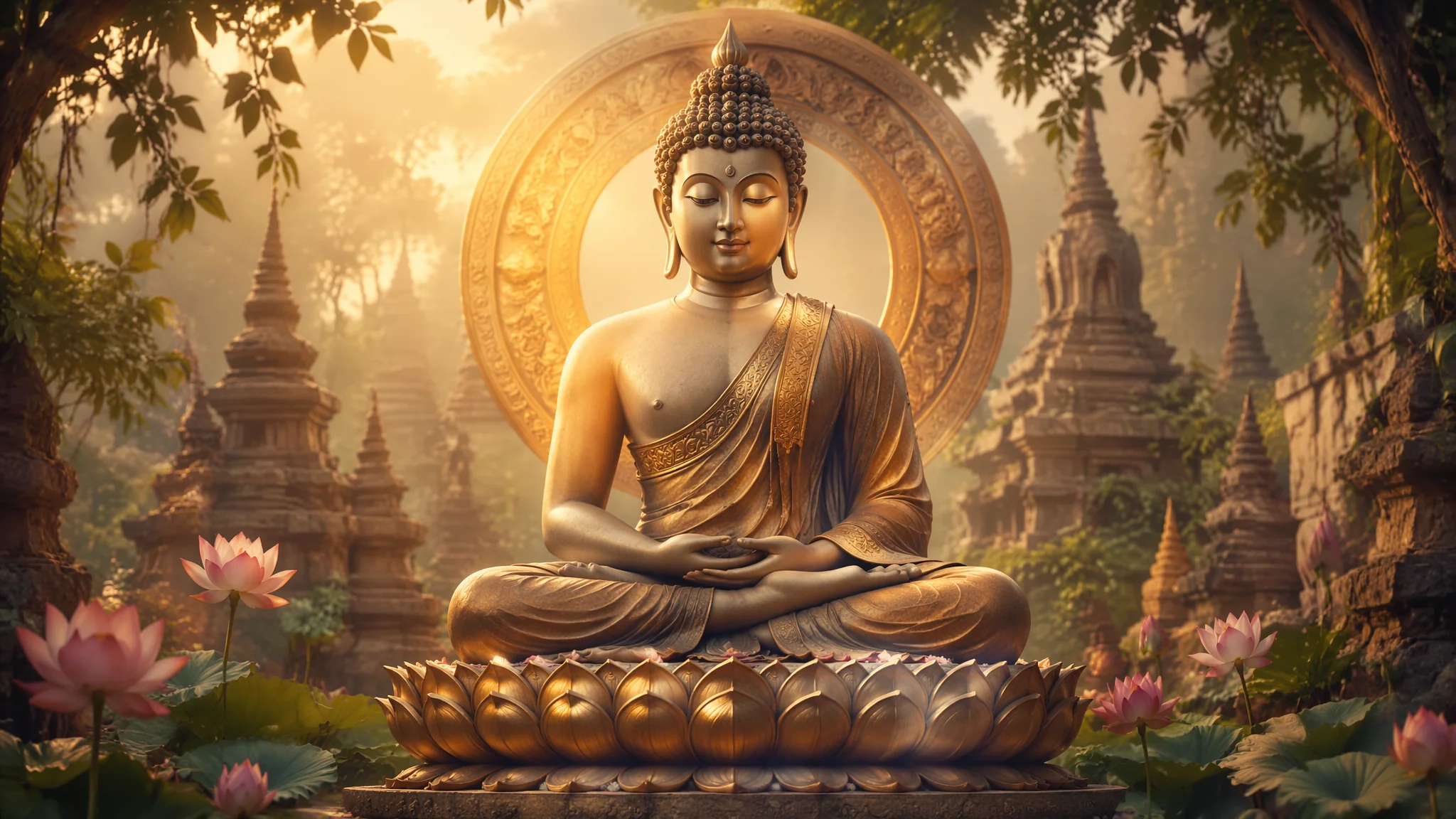
简单说:AI画佛像最容易踩的雷不是脸歪——是手印错了。施无畏印画成与愿印、禅定印画成触地印,懂佛教艺术的人一眼就能看出不对。我2019年在敦煌莫高窟待了整整一周,对着45窟的唐代彩塑看了十几个小时,从此对佛像的比例和手印有了肌肉记忆。用AI画佛像,你得同时当艺术总监和佛学顾问——AI能模仿青州龙兴寺的贴金彩绘风格,但它不懂"肉髻"和"白毫"在佛教造像学里的含义。
说实话,AI画佛像的能力比我预期的强得多。第一次在Midjourney里输入"Chinese Tang Dynasty stone Buddha statue, solemn expression, urna on forehead, ushnisha atop head, weathered limestone texture"出来那张图的时候,我盯着屏幕愣了半分钟——那种千年风化石窟里佛像的静谧感,AI居然抓到了七八成。但问题也随之而来:它把唐代佛像的"曹衣出水"式袈裟和印度笈多风格的贴体薄衣混在了一起,手指的比例有时是犍陀罗风格、有时又是明清风格——一张图跨越了一千五百年的雕塑史。这不是不行,但如果你明确想创作某个特定时期、特定地域的佛像风格,就得学会在Prompt里做减法——明确地说"不是"什么,比说"是"什么更重要。
汉传、藏传、南传——三大佛教艺术体系的风格分水岭
汉传佛像温润内敛、藏传佛像华丽威严、南传佛像清瘦质朴——三套完全不同的视觉词汇。汉传佛像(Chinese Mahayana)核心词:"Tang Dynasty Buddhist sculpture style, rounded and full face with serene downward gaze, elegantly flowing monastic robe with deep rhythmic folds, traces of gold leaf and mineral pigments on limestone surface, the proportions follow the classic Chinese Buddhist canon with broad shoulders and a sense of grounded stability"。唐代佛像的"丰颊硕体"和宋代佛像的"世俗化倾向"是完全不同的审美方向,你得在Prompt里明确朝代。龙门石窟和云冈石窟的代表作在龙门石窟官方数字档案里有非常清晰的三维扫描图。藏传佛像(Tibetan Vajrayana)则是另一套语言:"Tibetan gilt bronze Buddha statue, elaborate crown and jeweled ornaments, multiple arms in various mudras, flames radiating from the aureole, richly detailed with turquoise and coral inlays, thangka painting color palette with deep ultramarine blue and vermillion red"。藏传造像的装饰密度是汉传的五倍以上——璎珞、臂钏、足钏、宝冠,每个部件都是独立的设计元素。南传佛像(Theravada)偏素净:"Thai Sukhothai style walking Buddha, slender elongated proportions, the robe clings closely revealing the body form beneath, flame-like finial atop the ushnisha, gold leaf on dark bronze, serene half-closed eyes"。关于佛教视觉文化的体系化理解,AI佛像绘画基础中有一套完整的入门框架可以参考。
佛陀三十二相——AI最容易忽略的造像学硬指标
肉髻(头顶隆起)、白毫(眉间右旋白毛)、广长舌、金色身——三十二相不是装饰细节,是辨认佛陀身份的核心标识。Prompt中需要逐项指定。肉髻:"ushnisha, the cranial protuberance on top of the head, resembling a topknot but integral to the skull, covered with tight spiral curls of hair"。白毫:"urna, a small circular tuft of white hair between the eyebrows, often depicted as a raised dot or a luminous pearl, the spiritual third eye"。耳朵:"elongated earlobes reaching nearly to the shoulders, a reminder of the heavy princely earrings the Buddha wore before renunciation"。手指:"webbed fingers of equal length, a subtle web of light between each digit visible only upon close inspection"。这些细节在AI生成的佛像中经常集体消失——因为训练数据里的佛像图片很少标注到"白毫""肉髻"这个粒度。在大都会博物馆亚洲艺术频道可以看到带有学术标注的佛教造像高清图,每个细节都有对应术语。
手势印相的视觉准确性——五种核心手印的Prompt写法
触地印、禅定印、施无畏印、与愿印、说法印——每种手印的手指排列完全不同,AI经常张冠李戴。触地印(Bhumisparsha Mudra):"right hand reaching down to touch the earth, fingers extended downward, palm facing inward toward the body, the gesture of calling the earth to witness"。禅定印(Dhyana Mudra):"both hands resting in the lap, palms upward, right hand on top of left, thumbs gently touching at the tips forming a subtle triangle"。施无畏印(Abhaya Mudra):"right hand raised to shoulder height, palm facing outward, fingers extended upward, the gesture of fearlessness and protection"。我把这五种手印的Prompt分别测试过至少十次,结论是:必须在Prompt里同时描述手的位置、手掌朝向、手指方向三个参数,缺一个AI就开始自由发挥。而且最好加上"statue-like stillness and precision in the hand gesture, not organic or casual movement"来锁死手印的雕塑感。关于人物姿态的精确控制,AI坐姿人物绘画中的姿态锁定技巧同样适用于佛像手印。
材质还原——石雕、铜铸、木雕与干漆夹纻
材质决定了佛像的年代感和精神气质——石灰岩的温润风化、青铜的氧化绿锈、木雕的刀痕肌理、干漆夹纻的轻盈感,每种材质有自己的Prompt密码。石雕佛像:"weathered sandstone Buddha, centuries of erosion creating a softened surface texture, traces of original polychrome pigments still visible in the deeper crevices, the stone has a warm sandy tone with patches of darker patina from exposure"。铜鎏金:"gilt bronze with areas of oxidation showing through as greenish-blue patina, the gold surface has a warm reddish undertone characteristic of ancient Chinese bronze casting, fire-gilding technique visible as subtle brush marks in the gold layer"。木雕:"carved sandalwood Buddha, the knife marks of the sculptor still faintly visible on the robe folds, the wood grain running vertically through the statue creating natural striations, subtle cracking from age adding character"。材质关键词不够精准是AI佛像翻车的主要原因之一——你写"gold Buddha"它给你黄铜色的塑料玩具;写"ancient gold leaf on limestone"它给你敦煌。关键词的精确度直接决定了年代感。关于材质渲染的系统方法,AI材质质感绘画技法值得细看。
背光与佛光——从圆形头光到火焰形举身光
背光不是随便画个圈——不同时期的佛教艺术中,头光(圆光)和身光(舟形光)有严格的形制演变。早期印度风:"simple circular halo behind the Buddha's head, plain or with a lotus petal border, no elaborate flame pattern, early Mathura style simplicity"。唐代华丽型:"elaborate mandorla with scrolling flame patterns, auspicious clouds and celestial musicians carved in relief within the aureole, multiple concentric rings of lotus petals, gold leaf over carved wood giving a radiant glow"。藏传愤怒尊:"flames radiating fiercely from behind the deity, the fire is not gentle but wrathful and dynamic, each flame tongue sharply defined, representing the burning away of ignorance"。背光画好了,整尊佛像的气场瞬间提升。我之前帮一个做佛教文创的朋友生成了一套"唐代背光纹样"素材包,他拿去做了手机壳和丝巾,卖得比产品本身的设计还好——因为那些背光图案本身就足够美。背光系统的视觉逻辑在AI菩萨绘画专题中有更深度的展开。
常见问题
AI画的佛像看起来像"旅游纪念品"而不是艺术品怎么办?
问题出在材质词太模糊。把"gold Buddha statue"换成"12th century Khmer sandstone Buddha with weathered patina, museum lighting revealing every erosion detail on the surface"。加入年代、产地、风化程度——这三个维度一加上,廉价感立刻消失。
怎样控制佛像的面部表情不显得呆板?
佛教造像的表情讲究"慈悲"而非"微笑"——这两个词在Prompt里效果完全不同。"serene, compassionate expression with a subtle hint of a smile that is almost imperceptible, the eyes half-closed in deep meditation but not sleepy, an expression of profound inner peace"比"slight smile"准确得多。
不同材质的佛像在光线描写上有什么讲究?
石雕需要柔和的散射光来展现风化纹理;铜鎏金需要硬一点的光来反射金属光泽;木雕适合侧光来凸显刀痕。光线方向和材质是绑定的——写Prompt的时候把灯光描写放在材质描写的同一句里,逻辑上更自洽。举个例子:同样是唐代风格的佛陀头像,"limestone with raking museum spotlight from 45 degrees revealing every erosion detail"和"gilt bronze with soft ambient gallery lighting creating gentle specular highlights"——两组Prompt的前半句材质词决定了后半句光线词该怎么选,这比笼统写"good lighting"有效太多了。
佛像绘画这件事,AI是匠人,你是供养人——匠人的手艺靠你给的方向。把三十二相记熟,把五种手印写准,AI会为你雕刻出令人起敬的法相。