AI破旧破烂绘画:废墟损坏与岁月痕迹的沧桑美学表达
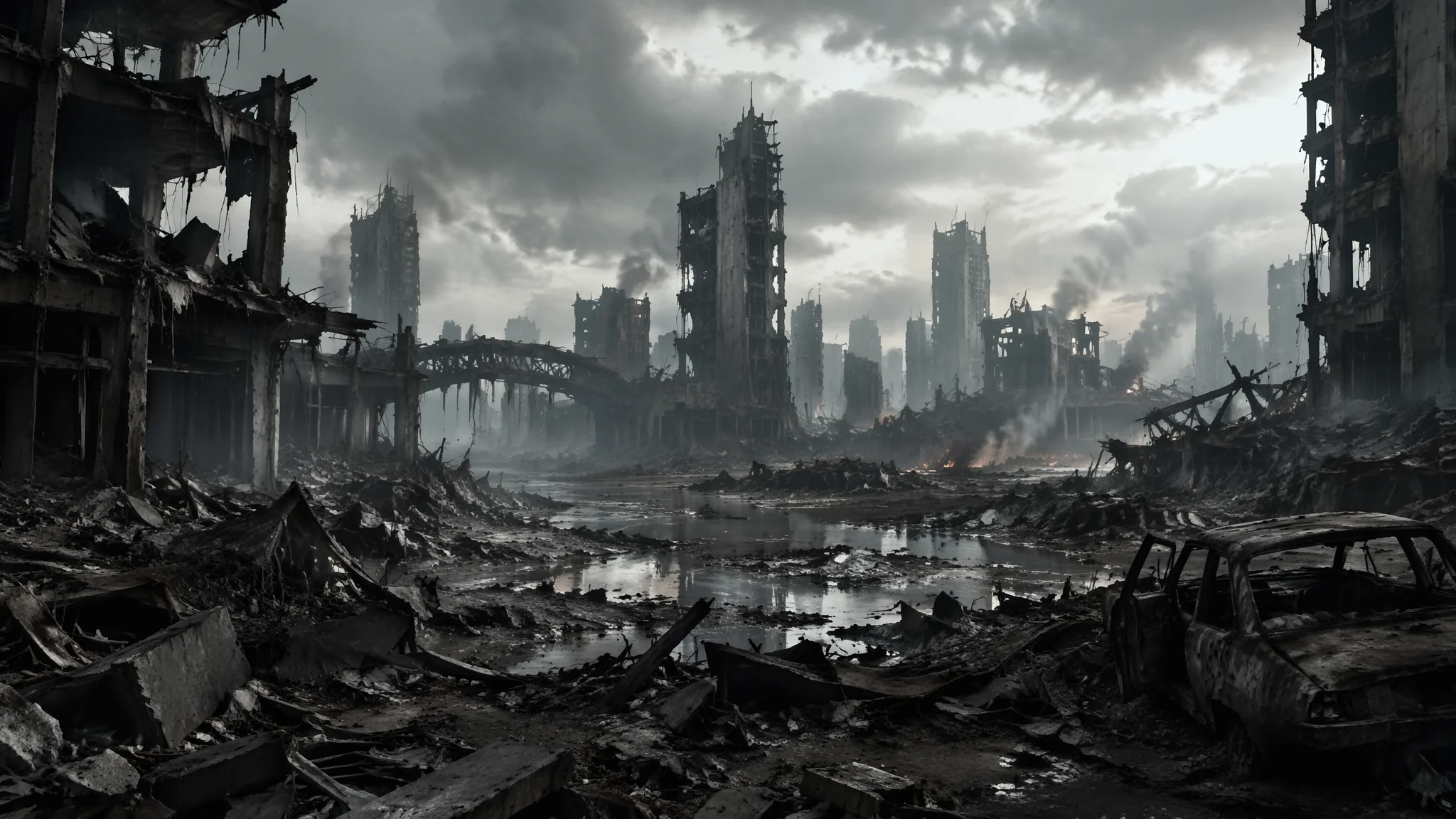
我迷上废墟摄影是在2017年——一个人开车去城郊的废弃纺织厂,翻过锈迹斑斑的铁门,踩着一地碎玻璃往里走。阳光从坍塌的屋顶缺口倾泻下来,照在长满青苔的纺机上,那种"被时间和自然共同改造过的美"让我头皮发麻。后来我开始用AI生成废墟场景,发现AI对"破旧"的理解有个诡异的偏差:它以为破旧就是"加一层灰色滤镜+随机裂纹贴图"。真正的破旧不是统一的灰色——是多种材质各自以不同的速度和方式老化的复杂交响。
破烂美学(wabi-sabi、废墟浪漫主义、工业考古学)的核心魅力不是"脏"——是"时间变得可见"。一面剥落的墙皮不是单纯变旧了,它展现了一百年来逐层叠加的涂料、每一次修缮留下的痕迹、水渍从三楼渗透到一楼的地图、霉菌在墙纸上画出的抽象画。AI能做的是把这些"时间的层次"翻译成视觉参数。
材质老化矩阵:不同材料各自的老化路径完全不同
铁生锈剥落成片状、铜生锈形成致密的碱式碳酸铜绿膜、木头腐朽沿纹理纵向开裂、混凝土风化露出骨料和钢筋、玻璃老化产生虹彩。五种材料五种老化路径,提示词不能混用。铁锈:"rusty iron surface with flaking scale-like corrosion layers, orange-brown rust transitioning to dark metallic core, crusty texture with peeling edges, rust stains streaking downward from bolts and joints, structural weakness visible in thinned sections"。铜绿:"weathered copper with verdigris patina, blue-green copper carbonate coating adhering as film not flakes, uneven oxidation pattern following water flow paths, original copper color peeking through at raised polished areas"。朽木:"rotting wood with longitudinal cracks following grain direction, soft spongy texture in decayed areas, fungal mycelium visible as white threads, wood color bleached to silver-gray where exposed to sun, termite tracks carved into surface"。混凝土风化:"weathered concrete with exposed aggregate, surface spalling revealing pebbles and sand within, rust stains from exposed rebar, cracks propagating in geometric patterns following structural stress lines"。玻璃老化:"aged glass with iridescent surface from chemical leaching, rainbow-like oil-slick patina on old window glass, slight warping visible in reflection distortion, dirt accumulation in corners of window panes"。一种快速提升真实感的技巧:在画面中加入"材质老化程度不一致"的元素——同一面墙有些区域剥落严重、有些区域保存较好。均匀的老化一看就是假的。AI材质老化与风化效果表现里有更多材质老化相关的技巧。
废墟空间:从废弃工厂到遗忘庙宇的场景类型学
工业废墟有钢铁的冷硬质感、宗教废墟有神圣的悲壮感、民居废墟有私密的失落感——三种废墟类型对应三种不同的情感调性,不能互换。工业废墟:"abandoned factory interior, massive rusting machinery frozen in time, broken windows creating dramatic light shafts through dusty air, metal catwalk partially collapsed, safety signs faded to illegibility, pigeon droppings on every horizontal surface"。宗教废墟:"ruined temple reclaimed by jungle, stone Buddha statues with moss growing in carved features, tree roots breaking through stone floor tiles, crumbling stupa with remaining gold leaf catching occasional sunlight, sacred space transformed by natural forces"。民居废墟:"abandoned family home, peeling wallpaper revealing layers of previous decorations, family photos still hanging crooked on wall, children's toys scattered on dusty floor, collapsed ceiling exposing wooden beam structure, curtains rotting on their rods"。工业废墟我用得最多——因为钢铁的几何结构和有机的锈蚀纹理之间有一种强烈的视觉张力。做工业废墟的时候有个必加词:"occupational history still readable in layout"——意思是即使废弃了,你仍然能看出这个空间曾经的功能分区。AI废弃空间与城市探险绘画里有更多废墟美学的场景方案。
自然收复:植物与微生物对废墟的缓慢改造
废墟的美有一半来自"自然的收复"——藤蔓爬上墙壁、树苗从裂缝中长出、苔藓覆盖了铭牌上的文字。这是时间可视化最有力的表现。藤蔓入侵:"ivy tendrils climbing up crumbling brick wall, roots penetrating mortar joints accelerating decay, leaves creating pattern of living green against dead stone, window frames completely engulfed by climbing plants"。苔藓覆盖:"thick moss carpet softening hard edges of stone structure, vibrant green moss contrasting with gray weathered stone, moss growing thicker on north-facing shaded surfaces, micro-ecosystem of tiny ferns and lichens within moss colony"。树木破土:"tree growing through broken floor, roots spreading across tiles like wooden rivers, trunk emerging through collapsed roof opening, tree now taller than building it destroyed, nature's patient victory over human construction"。我以前觉得这些植物细节不重要——直到有一次我在废墟照片里看到一株野花从打字机的键盘缝隙里长出来,那个画面在后来的创作里反复出现。一朵小花能讲述的废墟故事,比一堆瓦砾多得多。AI自然收复与建筑共生美学里有更多关于植物与废墟互动的内容。
残破物件的叙事力量:一个破碎的娃娃比整栋废墟更动人
废墟是宏观叙事,残破物件是微观叙事——一把摔碎的茶壶、一双落单的童鞋、一摞被水泡烂的信件。这些"有主人的破损物"比空荡的建筑更能触发观者的情感共鸣。破碎瓷器:"shattered porcelain teacup on dusty floor, pieces scattered in impact pattern, delicate hand-painted floral pattern still visible on broken shards, single intact piece standing among fragments, beauty in destruction"。遗弃衣物:"abandoned child's shoe covered in dust and cobweb, single shoe implying story of loss, leather cracked from years of exposure, lace still tied in careful bow from last wear, tiny size emphasizing vulnerability"。损坏照片:"water-damaged family photograph, emulsion dissolving into abstract patterns, faces partially obscured by fungal growth, photograph curling at edges, someone's memories physically decaying"。我发现一个规律:残破物件越"私人",情感冲击力越强。一堆碎砖头没什么感觉,但一把断腿的眼镜或一本被翻烂的日记,会让人停下来想象物主的故事。国际工业遗产保护委员会的网站上有很多关于工业考古和废墟保护的专业文献,对理解废墟的文化意义很有帮助。
破旧美学中的光影:伤痕为光提供了表演的舞台
完美的表面不产生有趣的光影——只有裂缝、孔洞和破损才能创造出戏剧性的光线效果。一束阳光从屋顶的破洞射入,在废墟地面上画出一个完美的光斑——这是废墟摄影里最经典的视觉语言。破洞光束:"sunbeam entering through collapsed roof section, visible shaft of light cutting diagonally through dusty interior, illuminated dust particles suspended in beam making light tangible, spotlight effect on specific debris below creating focal point"。裂缝漏光:"light seeping through wall cracks, thin bright lines tracing fracture patterns, backlight turning crack network into luminous map, contrast between dark interior and brilliant crack lines"。水洼反光:"rainwater puddle on floor reflecting broken window above, sky visible through reflection in water, double image of decay: actual ruin and its mirrored self, ripples disturbing reflection from dripping water"。我拍过几百张废墟照片,最打动我的永远是光影——没有光,废墟就是一堆建筑材料。有了光,废墟才变成了"有灵魂的遗址"。AI废墟绘画里光的重要性比现实摄影更高,因为你需要光来展示那些破损表面的纹理深度。英国国家信托管理着大量历史废墟,其网站上对每个遗址的建筑特征和衰败过程有详细的记录,是废墟写生和AI创作的绝佳参考。
常见问题
AI破旧绘画常见问题集中在老化纹理不自然、废墟空间缺乏层次感和情感叙事弱方面。AI生成的"破旧"效果为什么总是像贴了一层滤镜?
因为"old""worn""damaged"这些通用词AI理解成"加一层做旧滤镜"。解决方案是精确到材质级别的老化描述——不是"old wall"而是"wall with peeling paint revealing older paint layers beneath, water stains mapping leak history, plaster cracks following structural stress"。材质特异性决定真实度。
废墟场景怎么避免看起来"空荡荡"?
废墟不是空的——它装满了"曾经有人"的痕迹。加入被遗弃的私人物品(鞋子、照片、信件、玩具),空间立刻从"废弃建筑"升级为"失落的故事"。物品越小、越私人,情感的重量越大。
生锈和腐烂的效果能做得"美"而不是"恶心"吗?
当然能。关键在"对比"——鲜绿的苔藓覆盖灰色的石雕、金黄的锈迹爬上铁青的钢梁、一束暖色的阳光穿透冰冷的废墟。美来自于衰败与生机、冷与暖、粗糙与精致的并置,而不是腐烂本身。
觉得有用的话分享给朋友吧。