AI将军统帅绘画:古代军事领袖的威严形象与戎装设计
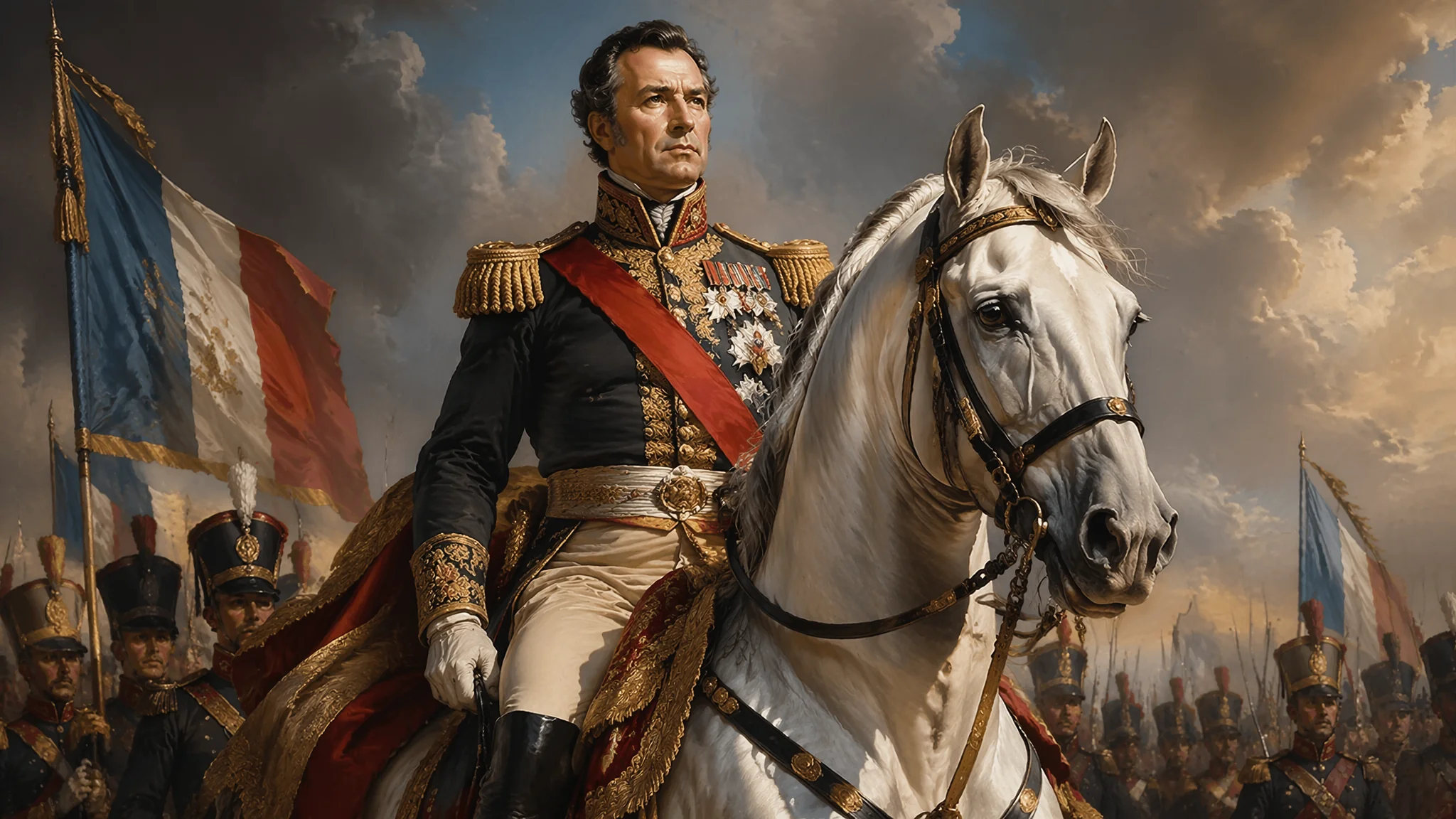
画将军和画普通士兵是两回事——将军身上每一个细节都在传递"权力"和"威严",从铠甲的材质到站姿的重心,都在无声地建立与观者之间的支配关系。
我小时候特别迷《三国演义》连环画,关羽、赵云、吕布的形象刻在脑子里几十年了。用AI画将军的时候,我发现了一个有意思的现象:AI对"general""commander"这类词的理解非常依赖影视和游戏数据,所以默认产出的将军形象偏"奇幻"——盔甲过于浮夸、比例过于夸张、像游戏角色多过像历史人物。想让AI画出有历史质感的将军,你得反向操作:先压住它的"夸张倾向",再用历史细节把它拉回到真实感的轨道上来。这个技巧的核心是"historical accuracy"这个锚点词——一旦你在prompt里加入准确的朝代装备描述,AI会自动调整整体风格向考据方向靠拢。对历史人物AI创作的整体思路,AI古风人物绘画全面指南提供了很好的框架参考。
中国历代将军铠甲的AI关键词对照表
汉唐宋明清——五个朝代的将军铠甲在形制上差异巨大,AI的识别度也各不相同。汉代:"Han dynasty general armor, iron lamellar plates laced with leather, distinctive high collar protecting neck, long flowing cape (披风), Heng Dao straight sword at waist, authoritative military bearing"。唐代(AI识别度最高):"Tang dynasty general in Mingguang armor (明光铠), shiny polished breastplate with distinctive circular mirrors on chest, elaborate helmet with phoenix wing decorations, red cape, Tang military officer"。宋代:"Song dynasty general in elaborate Shanwen armor (山文铠), intricate mountain-pattern lamellar construction, distinctive Song helmet with wide brim, commander's flag on back"。明代:"Ming dynasty general in heavy plate-and-chain armor combination, distinctive Ming helmet with finial spike, armored sleeves and skirt, commander overseeing battle"。清代:"Qing dynasty Bannerman general, distinctive Manchu armor with yellow bordered elements, queue hairstyle, commanding presence"。唐代明光铠是AI表现最好的中国铠甲类型——胸前的两块圆形护心镜是极其醒目的视觉锚点,AI几乎不会画错。宋代的山文铠最难,因为"山文"的纹路复杂,AI经常简化成鱼鳞甲。
西方将军铠甲:从罗马到拿破仑的跨越
西方军事领袖的视觉特征演变比东方更剧烈——罗马的肌肉胸甲和拿破仑的双角帽完全是两个宇宙的东西。罗马将军:"Roman general (Legatus), ornate muscle cuirass (lorica musculata) with sculpted anatomical details, red paludamentum cloak draped over shoulder, crested helmet, pteruges leather straps at waist and shoulders, commanding stance on hilltop"。中世纪骑士统帅:"medieval knight commander, full plate armor with engraved gold inlay, heraldic surcoat over armor, great helm with crest, armored warhorse (destrier) with barding, banner with coat of arms"。拿破仑时期(AI识别度极高):"Napoleonic era French general, distinctive bicorne hat worn sideways, dark blue uniform coat with gold epaulettes and braiding, white breeches and tall boots, hand tucked into waistcoat in iconic pose, battlefield backdrop with smoke"。西方将军AI生成有个优势:训练数据中西方军事题材的影视和绘画资源远比东方丰富,所以罗马和拿破仑风格的还原度普遍高于中国将军风格。关于中西方风格差异的更深入探讨,大都会艺术博物馆的武器盔甲馆藏是极佳的视觉参考来源。
面部威严感的塑造:神态比五官更重要
将军的"威严感"80%来自神态而非五官——一个轮廓模糊但目光如炬的将军,比一个五官精致但眼神空洞的将军更让人信服。眼神控制是核心:"piercing commanding gaze looking into distance, eyes that have witnessed countless battles, resolute and unwavering stare, slight squint from years of scanning horizons"。面部结构关键词:"strong jawline, weathered face with battle scars, dignified aging with grey at temples, facial expression of calculated calm before the storm, not angry but deeply serious"。还有一些微妙的细节加成:紧抿的嘴唇("tightly set lips, restrained emotion")、微皱的眉头("slight furrow between brows, weight of command")、自然的风霜痕迹("weathered skin from years of campaigning, not elegant but imposing")。我在做一个三国系列的时候发现了一个规律:AI对"关羽式"的单一人设刻画得很好,但对"儒将"(如周瑜、诸葛亮)这类文武兼备的类型容易失之偏颇——要么太文弱要么太武夫。解决办法是在prompt里同时写"scholarly refinement in expression"和"undoubted authority in bearing"两个相互制衡的描述。
战马与将军的搭配逻辑
将军+战马的组合是经典中的经典——但马不能随便配,品种、颜色和装备都有讲究。中国战马:"Ferghana horse (汗血宝马), muscular build with fine proportions, war horse of Chinese generals, red tassels on bridle, elaborate saddle with gold fittings, horse rearing on hind legs in heroic pose"。西方战马:"Friesian war horse, massive black destrier, armored barding with heraldic designs, powerful build, nostrils flaring with exertion"。人中吕布马中赤兔——如果你要画特定历史人物,战马的毛色是关键识别要素。赤兔马是枣红色("deep chestnut red coat, gleaming like fire"),的卢是白色("pure white horse with distinctive markings"),绝影是黑色("pitch-black steed, fastest horse in the realm")。AI对马的品种识别能力中等——写"Arabian horse""Friesian""Andalusian"这些知名品种的准确率较高,但"Ferghana""蒙古马"这类地域性品种就需要更多描述性词汇辅助。
将军的姿势语言:从站姿到指挥手势
将军的姿势有三种经典范式——每种传递的权力信号完全不同。指挥型(动态权力展示):"general on horseback pointing sword forward, commanding troops to charge, arm extended with authority, dynamic leadership pose, cape billowing in wind"。沉思型(静态权力展示):"general standing alone on hilltop overlooking battlefield at dawn, arms crossed or hands clasped behind back, solitary commander contemplating strategy, heavy responsibility visible in posture"。阅兵型(仪式化权力展示):"general reviewing troops, standing tall with chest out, hands resting on sword hilt, soldiers saluting in background, formal military ceremony"。一个有趣的细节:手的姿势对将军气质的塑造远超预期——手掌向下、手指自然弯曲的姿势传递"掌控"信号,而掌心向上则传递"沟通"信号。AI对手势的理解非常敏感,写"commanding hand gesture, palm facing down"和"open palm welcoming gesture"出来的将军气场判若两人。
背景处理:从军营到战场的情境设定
将军不能悬空存在——背景的本质是为人物提供"权力的语境"。军营指挥部:"inside general's tent, strategic map spread on wooden table, candlelight illuminating commander's face, aides waiting for orders outside, wartime planning atmosphere"。城墙之上:"general standing atop fortified city wall, banners snapping in wind, defending army behind him, enemy encampment visible in distance below"。战场之间:"general leading from the front, surrounded by personal guard, amidst chaos of battle but zone of calm around commander's presence, soldiers drawing courage from leader's proximity"。功成之后(我最喜欢的一个方向):"victorious general returning to capital, parade through city gates, citizens cheering, flower petals thrown from windows, triumphant yet weary expression"。历史场景创作需要注意一个误区:不要用"epic""glorious"这类空泛词,用具体的环境细节来烘托将军的地位,效果扎实得多。历史场景的更多思路,AI中国古风场景绘画技法里有完整的时代背景写作框架。
常见问题
AI将军绘画的常见问题集中在装备准确度、威严感塑造和文化适配三个方面。AI为什么总是把中国将军画得像日本武士?
训练数据里日本武士的视觉素材远多于中国将军,AI容易混淆东方军事形象。必须在prompt里明确区分:"Chinese Ming dynasty general, NOT Japanese samurai, Chinese-style armor with mountain pattern NOT Japanese do-maru"。否定式提示词有时比正向描述更有效。
怎么避免将军形象过于游戏化?
加入"historical accuracy""museum diorama quality""archaeologically informed reconstruction"这类学术锚点词,同时避免"fantasy""game art""concept art"等词。
将军的年龄对威严感有影响吗?
有,而且AI的表现很微妙。年轻将军容易显得"冲动",中年将军(40-55岁)的威严感最佳,老年将军如果刻画不好容易变成"衰弱"。中年是甜区关键词:"battle-hardened commander in his prime, experienced but not old"。
觉得有用的话分享给朋友吧。