AI古风江南绘画:水墨烟雨与小桥流水的江南水乡意境创作
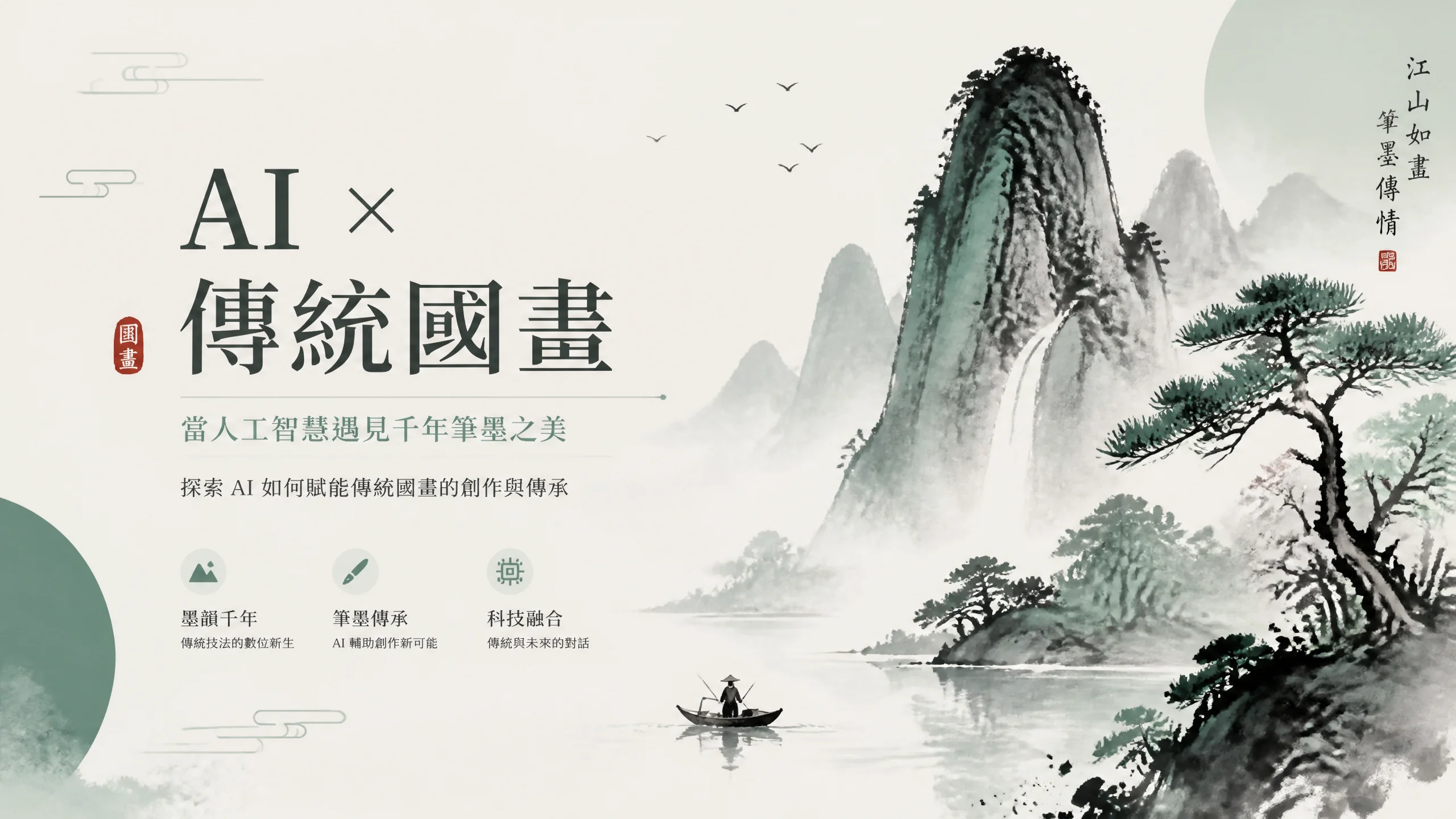
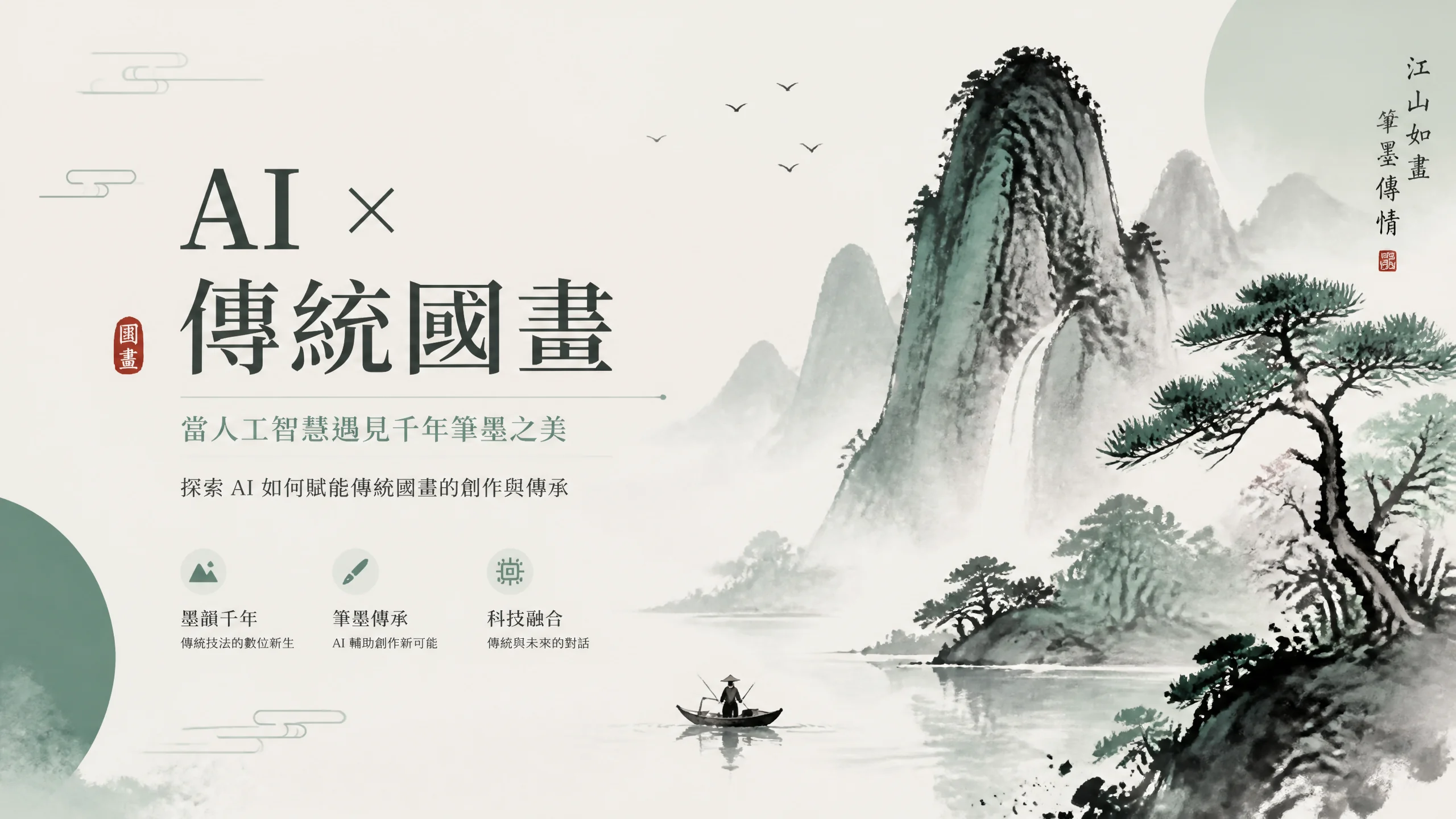
2019年春天我一个人去了趟周庄——不是为了旅游,是为了分手之后找个安静的地方发呆。在沈厅后面的小河边坐了一整个下午,看着雨丝斜斜地打到水面上、乌篷船慢悠悠地从桥洞里钻出来、对岸茶馆里的评弹声断断续续飘过来。那个下午什么都没干,但后来我每次想画"江南"的时候,脑子里浮现的就是那天的雨、那天船夫摇橹的吱呀声、那天青石板被雨打湿后的反光。AI画江南最大的陷阱就是画成"古镇景区宣传照"——干净到没有生活痕迹、完美到没有人间烟火。真正的江南不是明信片——是晾在河边的衣服、是墙角的青苔、是石桥栏杆上被磨得发亮的石头、是灶台上正冒着热气的青团。这篇就把我理解的"活的江南"翻译成AI提示词。
"江南"在中国文化里不只是一个地理概念——它是中国人集体想象中的"诗与远方"。从白居易的"日出江花红胜火"到韦庄的"春水碧于天,画船听雨眠",从戴望舒的《雨巷》到方文山的《青花瓷》——江南已经被文学作品叠了千年的滤镜。但是AI既不知道白居易也不知道方文山——你跟它说"江南意境",它给你出的可能是苏州园林的游客照。你需要把这个千年文化滤镜拆解成AI能理解的视觉组件:水(不是一片蓝而是"揉进了天光的绿")、建筑(白墙不是纯白是"被雨水洇出了灰斑的白")、植物(柳树不是一棵树是"被风吹乱了头发的水边少女")、人物(不是游客是"在小巷里生活了三代人的居民")。关于古风AI绘画的基础体系,AI古风中国风绘画全攻略里有从服装到建筑的完整古风元素库。
江南的水:不是背景,是主角
江南古镇的灵魂是水——但不是"蓝色的湖水"或者"透明的小溪"。江南的水是墨绿色的、倒映着白墙的、被细雨敲出圈圈涟漪的、上面漂着柳叶和花瓣的——它是活的,不是一池死水。水的颜色:"the water is a deep jade green, not blue, the color of aged jadeite or celadon glaze, the green comes from algae and reflected willow trees, the water is opaque and rich like liquid silk, not transparent mountain stream water"。水面倒影:"the white walls and black tiles of riverside buildings are mirrored perfectly in the still water, the reflection is slightly distorted by gentle ripples, the upside-down world in the water is as detailed as the real one, a stone bridge forms a perfect circle with its reflection creating the classic 'full moon bridge' composition"。雨打水面:"raindrops creating expanding concentric circles on the water surface, each drop a tiny splash, the entire river surface alive with the dance of rain, the patter of rain on water is almost audible, the surface transitions from mirror-smooth near the banks to textured by raindrops in the center"。水的动态(船过留痕):"a black awning boat gliding through the water leaving a V-shaped wake behind, the oar dipping into the water creates small whirlpools, the boat disturbs the reflections turning them into impressionist brush strokes, the water returns to stillness after the boat passes"。江南的水区区别于其他水景的关键是"墨绿色+倒影丰富+水面不空"——水面永远有东西:柳叶、花瓣、船、鸭子、或者雨点。关于水景AI绘画的系统方法,AI水面倒影与水体表现有各种水体质感的精确提示词。
白墙黛瓦的时间痕迹:江南建筑的美在"旧"不在"新"
AI画江南建筑最容易犯的错误是把墙刷得雪白——但真正的江南老宅的墙是"曾经白过"的:下半截被潮气洇成灰色、墙角长了青苔、墙面有雨水冲刷出的竖向水渍、白灰剥落处露出下面的青砖。白墙的"不完美白":"whitewashed walls that have aged for decades, the lower portion stained dark gray by rising damp, irregular water streaks running down from the eaves creating organic patterns, patches where the lime plaster has flaked off revealing the grey bricks beneath, the walls tell the story of countless rainy seasons"。黛瓦的层次感:"traditional Chinese black clay roof tiles arranged in neat overlapping rows, the tiles have a subtle blue-grey sheen when wet, moss growing in the crevices between tiles creating patches of bright green against the dark roof, the curved eaves with upturned 'flying eave' tips, bird droppings and fallen leaves on the tiles add to the lived-in feel"。石桥的"包浆":"an ancient stone arch bridge spanning the canal, the stone surface polished to a dark gloss by centuries of hands and footsteps, the bridge railings worn smooth in the middle where people habitually lean to watch the water, vines and creepers hanging from the underside of the arch, the bridge feels like it has been part of the landscape for five hundred years"。江南建筑的提示词关键是加"aged""weathered""lived-in""centuries-old"这类时间感词汇——把建筑从"刚建好的仿古建筑"升级为"真正的老建筑"。关于建筑场景的AI创作,ArchDaily的中国传统民居专题中有很多江南民居的建筑学分析,对理解结构很有帮助。
烟雨和雾气:江南的"空气感"是最好的滤镜
江南的美有一半在空气里——不是"雾霾",是那种把远山变成淡蓝色剪影、把近处的红灯笼柔化成光晕、让一切都笼上一层薄纱的水汽。晨雾的层次:"morning mist hanging over the canal, the distant buildings fade into soft blue-grey silhouettes through the fog, the nearest objects are crisp while objects ten meters away are already blurred by moisture in the air, the mist adds depth through atmospheric perspective, the whole scene feels like it's been painted in wet watercolor"。细雨的氛围:"light rain falling in fine diagonal streaks, the rain is so fine it's almost a mist rather than drops, every surface has a wet sheen, the cobblestone path reflects the grey sky, the rain softens all edges and saturates all colors, the specific beauty of Jiangnan in the plum rain season"。雨后初晴:"the moment just after rain stops, the clouds are breaking apart revealing patches of blue sky, sunlight streams through gaps in the clouds creating god rays, every wet surface sparkles, steam rises gently from the warming stone pavement, the air is washed clean and the colors are intensely saturated, the world feels reborn"。烟雨的AI实现不是加"fog"和"rain"就行——需要三重叠加:大气透视(远处变淡变蓝)+ 表面湿润(反光增强)+ 光线散射(光源周围产生柔光)。三重效果同时作用,江南的空气感才能出来。台北故宫博物院的在线藏品中大量宋元山水画对"烟雨江南"的水墨表现是AI提示词最好的视觉参考。
江南生活图景:从油纸伞到青团的烟火人间
没有"人"的江南是风景明信片,有"人"的江南才是《清明上河图》——灶台上的蒸汽、河边洗衣的妇人、巷子里追逐的小孩、茶馆里打瞌睡的老先生。油纸伞的视觉张力(撑伞的行人走过石桥):"a figure in traditional clothing holding an oil-paper umbrella, crossing a stone bridge in the rain, the umbrella is a warm amber color that glows against the grey misty background, the translucent oiled paper diffuses light softly, the bamboo ribs of the umbrella create a delicate pattern when backlit, the umbrella is the focal point of color in an otherwise monochrome scene"。河边的日常:"a woman washing vegetables at the stone steps leading down to the canal, a wooden bucket floating beside her, the ripples from her washing spreading across the green water, this is not a tourist demonstration but genuine daily life, the scene has the unposed quality of a documentary photograph"。食物的烟火气:"a street vendor's stall under the eaves, steam rising from a bamboo steamer filled with green rice cakes (qingtuan), the vendor is an elderly woman in a blue cotton jacket, a queue of locals holding umbrellas waiting patiently, the warm yellow light from the stall spills onto the wet street, the specific comfort of hot food on a rainy day"。小巷深处的生活:"a narrow alley between white walls, bamboo poles stretched between windows with laundry hanging to dry, a cat sleeping on a doorstep, bicycle leaning against the wall, potted plants on every available surface, the alley is so narrow sunlight only reaches the ground for an hour a day, this is where people actually live not where tourists go"。这些生活场景的核心是"具体"——不是抽象的"江南生活",而是"一个老太太在河边用棒槌敲打衣服"这种具体到能听见声音的画面。更多叙事场景构建技巧,AI叙事场景绘画有从单帧到系列的环境叙事完整方法。
常见问题
AI古风江南绘画的常见问题集中在意境把控、建筑准确性和水墨表现上。AI画的江南总是"太干净"——没有人间烟火感怎么办?
因为AI的默认审美是"美化一切"——它会自动抹掉墙上的污渍、地上的垃圾、天空的阴云。破坏这个美化滤镜的方法是加"anti-beautification"提示词:"unglamorous details of real life, slightly messy and lived-in, not a tourist brochure, the imperfect beauty of authenticity, documentary photography aesthetic rather than travel magazine"。同时加入具体的"杂乱"元素——晾晒的衣物、墙角的青苔、随意停放的电瓶车、街边堆放的竹筐——这些"不完美"恰恰是烟火气的来源。
水墨江南和写实江南的AI提示词有什么区别?
水墨江南用:"ink wash painting style, Chinese traditional brush painting, wet-on-wet watercolor technique, the blur and bleed of sumi-e ink on xuan paper, black ink in various dilutions creating shades from deepest black to pale grey, the white of the paper left unpainted as mist and water surface"。写实江南加:"photorealistic, cinematic lighting, but with the color palette and atmosphere of traditional Chinese painting, the composition follows classical landscape painting principles, modern photography technique capturing ancient aesthetics"。两者的核心区别不在"画了什么"而在"怎么画的"——水墨风强调笔触和留白,写实风强调光影和细节。
AI画的江南建筑屋顶和结构经常不对怎么办?
中国传统建筑的"举折"(屋顶曲线)和"斗拱"(支撑结构)对AI来说是极难理解的几何关系。用参考建筑师的提示词:"traditional Jiangnan residential architecture with typical features — whitewashed exterior walls, grey clay roof tiles with distinctive swooping eaves, wooden lattice windows, moon gates in garden walls, stone slab pathways, the architecture documented in the works of architect Wang Shu who won the Pritzker Prize"。加入"architectural documentation""vernacular architecture""preserved heritage building"这些词——它们告诉AI这是一个"被认真记录的真实建筑"而不是"影视城里的布景"。
写这篇的时候杭州正在下梅雨。窗外的雨声滴滴答答,跟我六年前在周庄听到的雨声一模一样——雨还是那个雨,听雨的人已经变了很多。AI能画出江南的形——白墙黛瓦、小桥流水、烟雨朦胧——这些都不难。但AI画不出的是你在那个河边坐了一下午之后,站起来的时候膝盖有点酸、裤脚被雨溅湿了一小片、空气里混着河水的腥味和邻家飘来的饭菜香。这种"身体的记忆"才是江南意境的终极来源——AI只能给你画面,意境需要你用自己的人生经历去填充。所以最好的江南AI作品不是那些最"像"的,而是那些能触发你关于"水乡""雨天""旧时光"的私人记忆的——当一张AI图让你想起了某个具体的下午、某个人、某种温度,那才是真正的"江南意境"。