AI沐兮风格绘画:清新淡雅与诗意审美的独特个人画风视觉创作
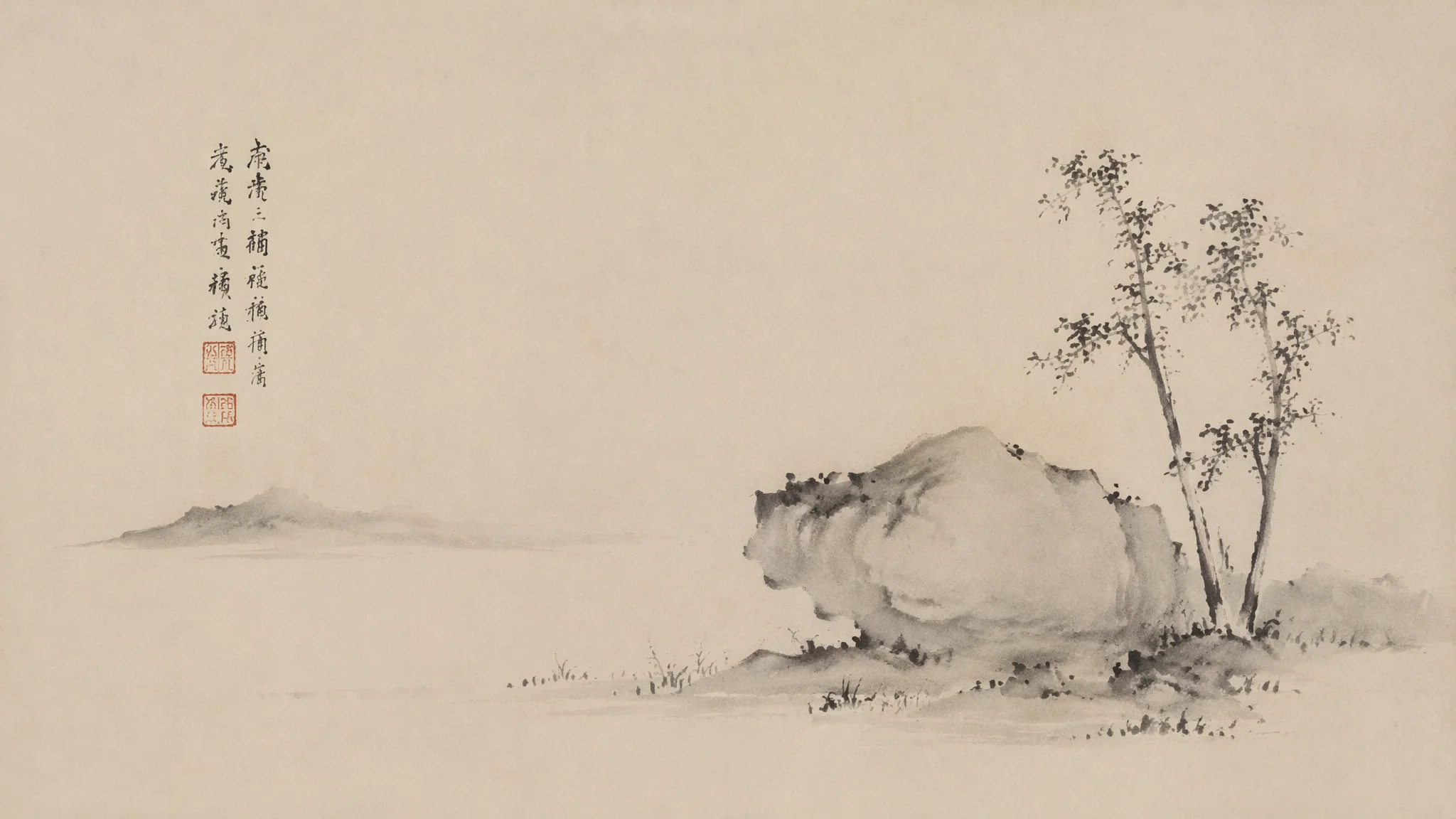
第一次看到"沐兮"这个名字是在小红书上——一个画师的ID,作品风格极其统一:全部是低饱和度的灰调色彩、大面积的留白、人物总是侧着脸或者低着头的安静姿态、画面里有种"刚下完雨的午后空气的味道"。我当时盯着她的主页看了半小时——不是因为她画了什么惊天动地的内容,而是每一张图都让我觉得很"舒服"。那种舒服不是视觉冲击力带来的,是"所有的颜色都在轻声说话"而不是"几个颜色在互相打架"。后来我用AI尝试复现这种风格——直接翻车。AI对"清新淡雅"的默认理解是"把饱和度拉低+加柔光滤镜"——结果出来的是灰蒙蒙一坨,根本不清新,只是"脏"。研究了一个月之后我意识到一个问题:沐兮这种风格之所以难以复现,是因为她的审美核心不在"画什么"——在"不画什么"。留白不是"白色背景",是"没有被填满的空间";淡雅不是"颜色浅",是"颜色之间没有冲突";诗意不是"画一个唯美场景",是"画一个能让人停下来呼吸的画面"。这篇拆的不是"怎么画得像沐兮",是"怎么用AI做出一张小众清新风格的、能让人感到'舒服'的画"。
低饱和度配色的"干净"秘诀——不是去饱和,是"用淡色"
AI画低饱和图最容易翻车的点是"把彩色直接去饱和"——结果整张图蒙上一层灰雾,皮肤变成水泥色,花朵像褪色的塑料。真正的低饱和度清新配色不是"把颜色变灰"——是"选择天生就淡的颜色",然后在正确的光线下让它们呈现。比如不是"把红玫瑰的饱和度从80拉到30"——而是"选择一朵本身就接近灰粉色的古董玫瑰品种"。
沐兮风格配色Prompt:"the color palette draws from a misty spring morning——every color in the image is naturally muted not digitally desaturated, the whites are not pure #FFFFFF white but the warm off-white of unbleached linen and aged paper, the greens are not vivid emerald but the soft grey-green of eucalyptus leaves and dried sage, any pink present is the faded rose-pink of antique silk ribbons——a color that once was vibrant but has been softened by decades of sunlight, the skin tones are porcelain with the faintest hint of warmth——not pale like a ghost but translucent like rice paper with light behind it, the darkest values in the image are never black——they are the deep cool grey of a rain cloud before it breaks"。我在调这个配色的时候发现一个规律:把AI生成的低饱和图放进Lightroom看直方图——如果直方图所有的颜色通道都挤在中间调而且没有一个通道有明确的"山峰"——那这张图就是"脏"的。正确的低饱和度图直方图应该是:每个颜色通道仍然有明显的峰值,只是峰值之间的间距比高饱和度图小。这说明颜色之间仍然有"差异"——只是差异比较温和。
留白与构图的诗意——不是"空白背景",而是"不被打扰的呼吸空间"
中式审美的留白不是"没画东西的背景"——是"画面里必须有但不应被占据的空间"。留白和空白是两个概念:空白是"没画"——留白是"不画"。沐兮风格的构图特征就是大面积留白+主体偏置+用柔和的元素暗示空间边界。
留白构图Prompt:"the composition follows the principle of meaningful emptiness——the subject occupies only about 40% of the frame, positioned in the right third of the image facing left into the open space, the remaining 60% is not empty white void——it is filled with the faintest suggestion of atmosphere, perhaps the ghost of a window frame rendered in lines so thin they almost disappear, or a curtain edge so translucent that you see the light through it rather than the fabric itself, the negative space is not a background that was cropped out——it is an active part of the composition, the subject's gaze or gesture reaches into this empty space giving it purpose, without this space the image would feel suffocated, with it the image breathes"。这个构图逻辑和AI精灵王子绘画中谈到的"角色与环境的比例关系"有相似之处——精灵王族的高级感部分来自"他不填满画面,画面围绕他展开"。
人物气质的"安静感"——不笑不哭不酷的中间状态
沐兮风格的人物面部有一个非常难拿捏的特质:表情处在"无明显情绪"的中间状态——不是开心、不是悲伤、不是冷漠、不是空灵——是"一个人在独处时不会被任何人看到的真实表情"。这种表情在AI里极难生成,因为AI对人脸的默认理解是"必须有明确的情绪标签"——happy/sad/angry/serene。
人物气质Prompt:"the girl's expression is the most difficult element to capture——she is not smiling, not frowning, not staring blankly, her face holds the quiet inwardness of someone who has been alone with their thoughts for an hour and has forgotten to arrange their features for an audience, her eyes are open but soft-focused——she is looking at something but not really seeing it, her lips are slightly parted not in surprise but in the natural rest position of someone who has no reason to hold tension in their jaw, there is a faint melancholy around her eyes but it is not sadness——it is the gentle weight of being a thoughtful person in a loud world, she is beautiful not because her features are perfect but because she is unaware that anyone is looking at her"。这个"被观看而不自知"的状态是沐兮风格人物最核心的魅力——在AI人物绘画素材库中讨论人物表情时也提到过"无意识表情比表演表情更有感染力"这个规律。
服饰质感的"软"——从面料到褶皱的柔和处理
沐兮风格的服饰几乎都是软的——棉麻、针织、薄纱、丝绸——没有皮革、没有硬挺的牛仔、没有金属装饰。服饰的线条也是软的:褶皱不是锐利的折痕而是圆润的起伏,衣摆不是利落的直线而是不规则的柔和曲线。
服饰Prompt:"her clothing is an extension of the soft atmosphere——she wears an oversized knit cardigan in oatmeal cream that hangs loosely from her shoulders, the knit texture is visible in close detail——irregular loops of natural wool yarn with a slight halo of fuzz catching the light, the cardigan has no buttons——it hangs open revealing a simple cotton dress underneath in faded sage green, the dress fabric is thin and slightly wrinkled from wear——not messy wrinkles but the soft creases of a garment that has molded to its owner's body over time, her hair is gathered in a loose low bun with strands escaping to frame her face——the hair tie is a thin strip of the same sage fabric torn from the dress's hem"。更多关于服饰材质在AI白色丝袜绘画中也有深入的织物质感讨论——不同织物(棉、丝、麻、针织)的光泽和褶皱逻辑完全不同。
常见问题
AI画的"清新风"总是自带柔光滤镜——脸模糊得像隔了一层保鲜膜怎么解决?
因为"soft"这个词在AI的训练数据里同时代表"柔和的色彩"和"柔焦模糊"——AI分不清你要的是哪个。解决方法:用"crisp but gentle"代替"soft"。"the image is crisp and in focus——every eyelash is individually visible, fabric textures are rendered with tactile clarity, but the lighting and color palette create a gentle atmosphere, the sharpness of the details contrasts with the softness of the mood——this contradiction is the signature of the style"。把"清晰度"和"柔和度"分开描述——告诉AI这两个维度可以共存。
沐兮风格适不适合画男生——清新的男性角色怎么处理?
适合,但需要调整几个参数。男性沐兮风的Prompt差异:"a young man rendered in the same gentle aesthetic——his features are delicate but still masculine, his jawline is defined but his expression carries the same inward quietness as his female counterpart, he wears a loose linen shirt in cloud grey with the sleeves rolled to the elbow, his hair is slightly disheveled——not styled but naturally falling across his forehead, the overall mood is the same——quiet, introspective, comfortable in solitude"。关键调整:男生的"安静"不是"柔弱"——是"不喧哗的自信"。
怎么用AI批量生成沐兮风格的系列图——保持风格统一的同时每张图有变化?
建立一个"风格底板Prompt"——把配色、光影、线条、构图的描述固定成一个段落,每次新图只替换"主体+场景+动作"。风格底板示例:"[Style Foundation: muted pastel color palette with no saturation above 40%, soft diffused ambient lighting with cool undertones, fine delicate line work, generous 60% negative space, crisp focus with gentle atmosphere]"。然后每张图在这个底板上追加:"[Subject: a young woman reading by a frosted window / a girl holding a wilting peony / a figure walking away on a foggy path]"——底板保证风格统一,追加部分保证内容变化。模板化思路参考AI场景生成绘画中的模块化Prompt构建方法。