乞丐AI绘画教程:社会底层人物角色的写实画法
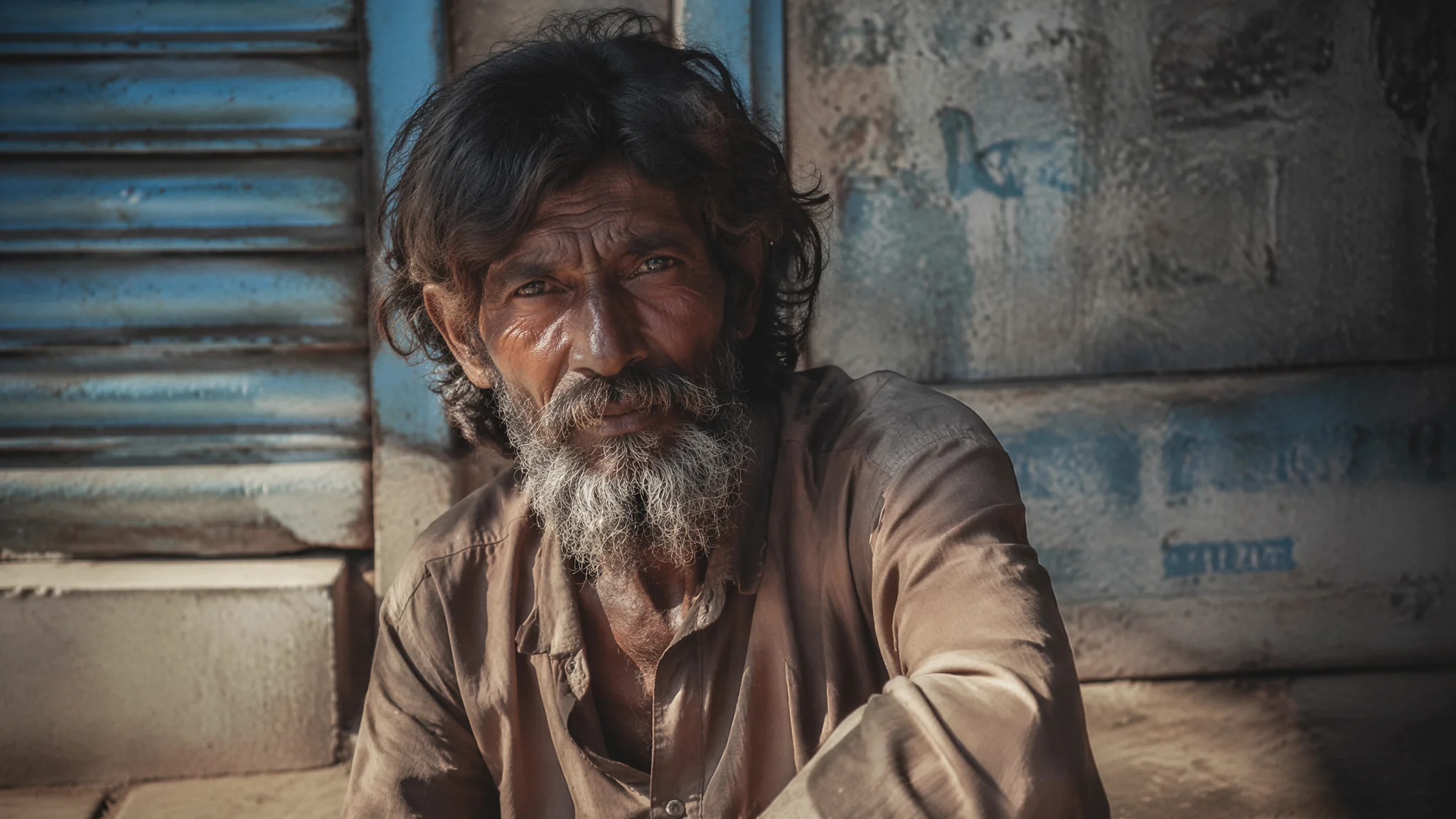
简单说:写实乞丐画像核心是表面质感多层叠加(weathered face+deep wrinkles+sun damaged skin+dirt on cheeks+chapped lips+grey stubble beard)、破旧服饰材质描写(worn out wool coat with patches+frayed sleeves+faded color)、道具环境叙事(battered tin cup+cardboard sign+rainy alleyway at dusk)、情绪微妙层次(quiet resignation+hint of lost dignity)、光影决定氛围(single harsh overhead streetlamp+chiaroscuro lighting)。不同时代背景(中世纪/维多利亚/东方武侠/浮世绘)改变服化道需求。
乞丐AI绘画教程:社会底层人物角色的写实画法
| 分类:AI绘画
写实乞丐画像四大核心:表面质感多层叠加(weathered face+deep wrinkles+dirt on cheeks)、破旧服饰材质描写(worn out wool coat with patches+frayed sleeves)、道具环境叙事(battered tin cup+rainy alleyway)、情绪微妙层次(quiet resignation+hint of lost dignity)。光影决定氛围single harsh overhead streetlamp+chiaroscuro lighting。社会纪实摄影参考可以看 Magnum Photos 的 documentary 分类,500px 的 street portrait 也有大量真实参考。
表面质感是写实乞丐画像的核心。皮肤要用多层描述来叠加岁月痕迹:"weathered face, deep wrinkles around eyes and mouth, sun damaged skin texture, dirt on cheeks, chapped lips, grey stubble beard, tired sunken eyes with red rims"。这里每一条描述都在给AI下达具体的纹理渲染指令。手的处理同样关键——"rough calloused hands, cracked fingernails with dirt, bruised knuckles, thin bony fingers"能呈现劳动者或流浪者的手部特征。
服饰是角色身份的最强符号。破烂的衣服不是简单地写"torn clothes",而要描写材质和破损状态:"worn out wool coat with patches, frayed sleeves, faded color from sun exposure, mismatched buttons, clothes several sizes too large, stains on fabric, holes at elbows and knees, rope used as belt"。这些细节堆叠会让AI生成的角色服装置身于合理的故事场景里。可以参考AI墨镜绘画教程中关于服饰质感和配件的描述方式,把乞丐角色换装成不同的时代背景。
道具和环境是叙事的重要补充。乞丐常见的道具:"battered tin cup with a few coins inside, cardboard sign with handwritten plea, worn blanket draped over shoulders, plastic bags of belongings, old sleeping bag on pavement"。环境设定决定整体情绪:"rainy alleyway at dusk, wet pavement reflecting neon signs, steam rising from manhole cover, gritty urban atmosphere"。这种暗调都市街景与乞丐角色形成强烈的视觉叙事。
情绪表达不能只靠"悲伤"一个词。微妙的情绪层次:"expression of quiet resignation, hint of lost dignity in eyes, weathered smile masking years of hardship, distant gaze looking past the camera"。角色面对镜头的态度——直视、回避、求助——都在传递不同的叙事信息。创作时想清楚你希望观众看到这个角色时产生什么情感反应,再反推该用怎样的表情和姿态来达成。
光影在写实人物中决定氛围。乞丐角色的常见光效:"single harsh overhead streetlamp casting dramatic shadows, chiaroscuro lighting on face, warm glow from barrel fire, cold blue moonlight on sleeping figure"。侧光能凸显脸部纹理的立体感,顶光则制造压迫感和戏剧性。如果想做风格化处理,可以结合AI国画绘画教程里的水墨写意手法,用勾勒和渲染来表现底层的苍凉,而不是照片式的写实。
不同时代背景的底层角色设计
乞丐角色时代设定很大程度改变服化道需求——中世纪欧洲medieval beggar in tattered woolen tunic+rope belt+dirty cloth wrapped around feet+gothic architecture background、维多利亚伦敦Victorian era street urchin+flat cap+oversized threadbare coat+chimney soot on face+Charles Dickens novel mood、东方武侠丐帮子弟ancient Chinese beggar warrior+loose patched robes+wooden staff+moonlit temple ruins、浮世绘江户流浪者ukiyo-e style Japanese vagabond+straw hat and cape+autumn leaves falling。把历史考据融入AI提示词让作品从套路化走向有态度。
乞丐角色的时代设定很大程度上改变了服化道的需求。中世纪欧洲的乞丐需要特定的历史服装:"medieval beggar in tattered woolen tunic, rope belt, dirty cloth wrapped around feet instead of shoes, sitting against stone cathedral wall, gothic architecture in background, dim torchlight"。维多利亚时期的伦敦乞丐则有不同的视觉特征:"Victorian era street urchin, flat cap, oversized threadbare coat, chimney soot on face, cobblestone alleyway, gas lamp lighting, foggy atmosphere, Charles Dickens novel mood"。把时代元素准确嵌入提示词才能让角色产生真实的历史语境感。
东方背景的乞丐角色也可以深挖。武侠世界的丐帮子弟——"ancient Chinese beggar warrior in loose patched robes, holding wooden staff, hidden martial arts aura beneath ragged appearance, moonlit temple ruins"。或者浮世绘风格的江户流浪者——"ukiyo-e style Japanese vagabond, straw hat and cape, walking alone on empty road, autumn leaves falling, melancholy wandering soul"。不同文化背景下的底层角色视觉符号各不相同,这需要创作前收集该文化时期的图像参考资料。把历史考据融入AI提示词能让作品从套路化走向有态度。跨文化的角色创作经验可以参照AI墨镜绘画教程里时尚配饰在不同时代背景下呈现的差异,服装和配件永远是时代背景的第一层标志。乞丐角色的眼神和对白式的肢体语言也是转达叙事的关键——低头缩肩传递卑微,平视前方传递尊严尚存,抬头看向镜头传递挑衅——同一个角色同一套服装,换一个眼神和姿态就是完全不同的故事走向。
群像场景的底层社会画法是一个挑战。单个乞丐好画,但描绘贫民窟的群体生活需要处理大量人物关系:"crowd of impoverished people in shantytown, multiple figures interacting, children playing in dirt street, elderly woman selling small items on cloth, smoky cooking fire, hazy atmosphere, documentary photojournalism"。群体场景里AI的错误率会上升,需要逐个检查每个角色,挑出面部严重畸形的样本淘汰。相对安全的做法是先画一到两个主要人物,背景人群用模糊处理——"crowd in shallow depth of field, only foreground figures in focus"降低远处人群的面部渲染压力。
常见问题
AI画乞丐角色容易显得过于美化怎么办?
AI模型倾向于美化人脸,需要在提示词中反复强调不完美的外观特征:"asymmetrical face, crooked nose, missing teeth, scarred skin, realistic not glamorous, documentary photography style"。用"anti-beauty filter"式的负面描述来抵消模型的默认美化倾向。负向提示词加上"pretty, handsome, perfect skin, model, fashion, studio lighting"进一步压制美化效果。
怎样避免写实人物出现恐怖谷效应?
恐怖谷往往源于某个局部细节不自然的扭曲。当脸部出现诡异的比例时,降低整体提示词的复杂度,先用简洁的描述生成基础脸部结构,确认正常后再逐步添加皱纹和污渍等细节。分批叠加比一次堆砌所有描述更可控。
这种社会题材角色的用途一般是什么?
乞丐和底层角色在游戏概念设计、电影角色设定、插画叙事、公益海报中都有广泛应用。AI生成的写实角色可作为概念参考图,帮助美术团队快速锁定角色方向。社会现实主义风格的AI作品也越来越多地出现在当代数字艺术展览中。