AI植物花卉绘画大全:从草本到乔木的全品类植物学插画技法
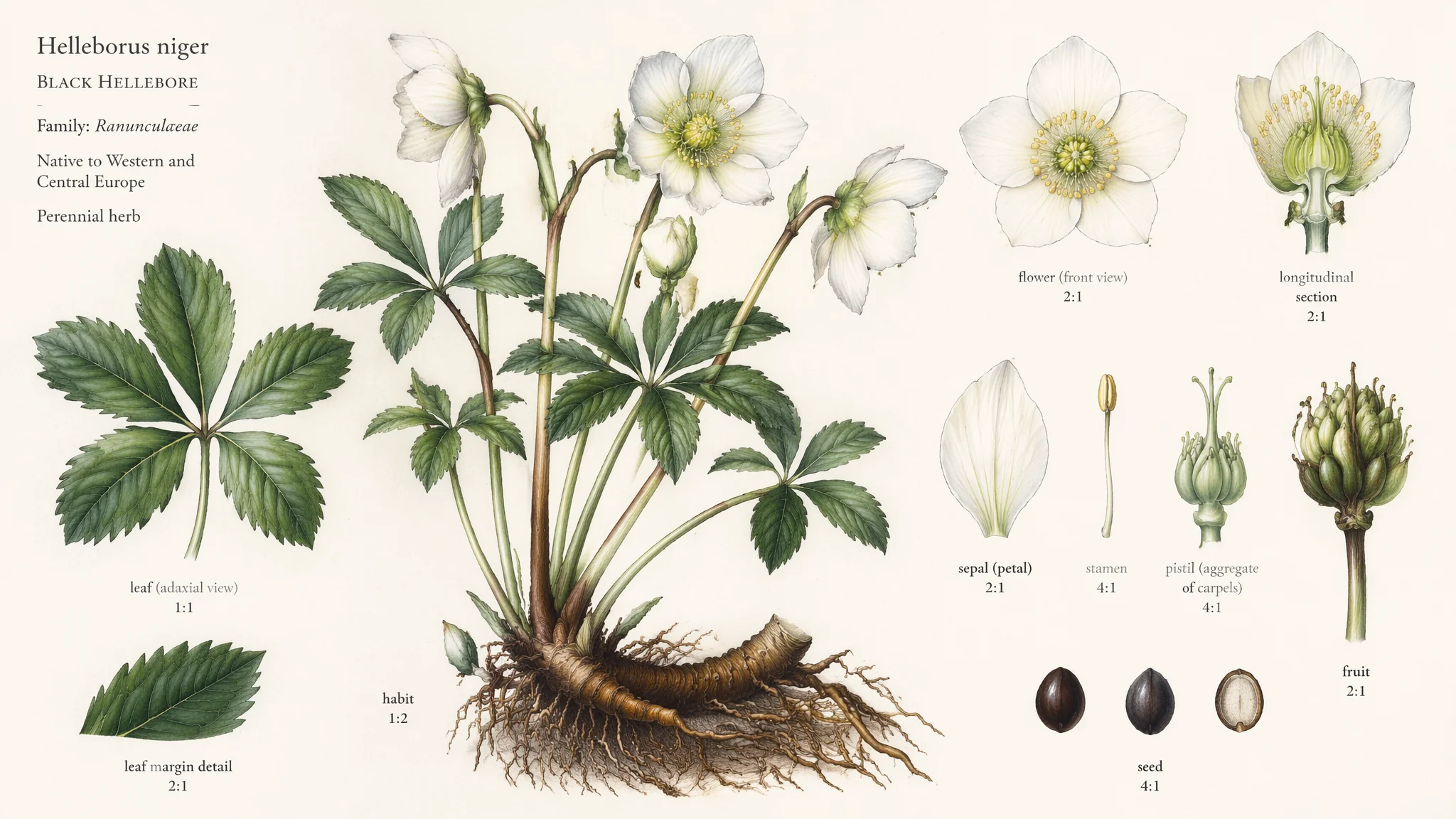
植物是AI绘画里最慷慨的主题——它永远不会抱怨你画得不好,而且种类多到你这辈子都画不完。从路边野草到千年古树,每一株都有故事。
我妈是个植物迷。阳台上养了四十多盆花,每盆都叫得出名字。去年母亲节我不知道送什么,用AI跑了一组我们家所有植物的"植物学插画风全家福",打印成册送给她。她翻着那本小册子,一页一页指着说"这是咱家的龟背竹""这是客厅那盆君子兰"——眼眶居然红了。从那以后我就意识到:AI画植物不只是画"好看的花",它可以是一种记录、一种表达、一种把生活中那些安静的绿色伙伴变成艺术品的方式。
植物学插画风格——AI最擅长也最实用的一种画法
植物学插画(Botanical Illustration)是AI植物绘画里出片率最高的风格——因为它有明确的范式:白底、精确、带标注感的构图,AI非常吃这套。核心关键词组合是"botanical illustration style, scientific accuracy, detailed specimen drawing, white background, vintage natural history plate, labeled plant parts, fine line art with watercolor wash"。单株植物用"single specimen isolated on white, showing roots, stem, leaves, flowers and seeds, comprehensive botanical study, 19th century naturalist drawing"。植物图鉴页用"vintage botanical plate composition, multiple views of the same plant species, flower dissection showing petals stamens and pistil, leaf detail, seed pod cross-section, latin name in elegant serif below"。这个风格的商业应用极广——家居装饰画、文具设计、布料图案、餐厅墙面,几乎百搭。植物学插画的历史参考可以在生物多样性遗产图书馆找到海量高清扫描的古典植物图鉴,提示词灵感的顶级来源。
按植物类型分类——草本、木本、藤本各有各的关键词
不同类型的植物在AI绘画里的关键词侧重点完全不一样——草本的鲜嫩、木本的苍劲、藤本的缠绕、多肉的饱满,需要不同的描述策略。草本植物用"herbaceous plant, soft green stems, delicate leaves with visible veins, small wildflowers, growing in a cluster, morning dew drops, fresh and tender atmosphere"——重点在"柔软"和"水灵"。木本乔木用"mature tree, thick rugged bark texture, sprawling branches, canopy of dense foliage, dappled sunlight filtering through leaves, sense of age and wisdom, roots gripping the earth"——重点在"质感"和"体量"。藤本植物用"climbing vine, twisting tendrils reaching upward, clinging to a surface, cascading foliage, dynamic organic movement, intertwining stems creating natural patterns"——重点在"动态"和"缠绕的节奏"。多肉植物用"succulent plant, plump fleshy leaves, geometric rosette pattern, powdery pastel coloration, tiny water droplets on the leaf surface, minimalist composition"——重点在"几何感"和"饱满度"。关于植物的基础分类知识,邱园植物科学中心提供了最权威的分类参考。
花卉绘画的九种流行风格——别只会画写实花
花卉不止写实一种画法——从古典工笔到潮流波普,至少九种风格可以让你的花跳出平庸。写实水彩用"loose watercolor floral, wet-on-wet technique, blooms bleeding into each other, soft petal edges, dreamy pastel palette"。工笔白描用"traditional Chinese gongbi flower painting, fine outline strokes, flat mineral pigment colors, silk background texture, Song Dynasty court painting style"。线条艺术用"minimalist line art flowers, single continuous line, elegant simplicity, black ink on cream paper, Scandinavian design aesthetic"。暗调油画用"dark moody oil painting of flowers, Dutch Golden Age still life, dramatic chiaroscuro, flowers emerging from deep shadow, rich jewel tones"。波普花卉用"pop art flowers, bold flat colors, halftone dots, Warhol-inspired screen print look, vibrant unnatural color scheme"。平涂矢量用"flat vector flowers, clean shapes, solid colors without gradients, modern graphic design, playful composition"。这些风格可以交叉搭配,比如"Chinese gongbi linework + modern flat color"就是一个非常有辨识度的融合方向。关于花卉风格化处理的更多思路,AI花卉盛开绘画技法里有完整的风格矩阵。
叶片特写——叶子不比花逊色
很多人只盯着花画,忽略了叶子本身就是一个巨大的美学宇宙——叶脉的纹理、逆光下的通透感、秋叶的色彩渐变,每一样都是视觉盛宴。叶脉微观用"extreme macro of a leaf, intricate vein network like a miniature river system, backlit by sunlight making the leaf glow translucent green, cellular-level detail, scientific photography"。秋叶色彩用"autumn leaf close-up, gradient of green through yellow to deep red on a single leaf, crisping edges, golden backlight, nostalgic atmosphere"。雨后叶片用"rain-soaked leaf, water droplets magnifying the leaf texture beneath, fresh after-rain clarity, vibrant saturated green, cool refreshing mood"。枯叶也用"dried fallen leaf, brittle texture, veins standing out in relief, muted brown and ochre tones, beauty in decay, wabi-sabi aesthetic"。叶片绘画和花卉搭配使用效果最好——一张完整植物图里有花有叶,视觉信息丰富很多。AI向日葵绘画里对花叶关系的处理有不少可借鉴的方法。
植物与场景——不要让植物漂在白底上
植物学插画可以白底,但大多数植物绘画加上场景背景后会更有生命力——植物生长的环境本身就是故事的一部分。森林地被用"forest floor understory plants, ferns and mosses in dappled light, fallen logs covered with lichen, rich biodiversity in a small patch of woodland"。窗台植物用"houseplants on a sunny windowsill, terracotta pots with patina, gentle morning light streaming through the window, cozy domestic atmosphere, urban jungle aesthetic"。花园角落用"cottage garden corner, overflowing flower beds, plants spilling onto a gravel path, bees buzzing among the blooms, informal English garden charm"。荒野植物用"hardy plants surviving in a harsh environment, wildflowers growing through cracks in rocks, wind-swept coastal vegetation, resilience and beauty in tough conditions"。环境不仅提供背景,更赋予植物"性格"——同样一株薰衣草,在普罗旺斯花田里和在窗台花盆里是两种完全不同的"人设"。场景构建技巧上,AI风景绘画大全提供了体系化的环境描写方法。
常见问题
AI植物花卉绘画的常见疑问覆盖物种准确性、风格选择和细节控制。AI能准确画出特定品种的植物吗?
部分可以,部分不行。常见的、训练数据丰富的植物(玫瑰、向日葵、薰衣草、龟背竹等)AI画得非常准。但小众或地区特有的植物(比如某种中国特有的兰花品种),AI大概率会画成一个"近似物"。如果你追求植物学级别的精确度,目前AI还达不到专业图鉴的标准。
叶片和花瓣的数量总画不对怎么办?
AI对数量的统计控制很弱。你写"five-petaled flower"它可能给你四瓣或六瓣。目前最有效的方法是用ControlNet等精确控制工具,或者在后期手动修正。纯提示词层面,反复强调数字("exactly five petals, no more no less")有一定帮助但不保证。
植物画适合做商业产品吗?
非常合适。植物和花卉是商业设计里最安全的主题之一——没有版权风险、受众广泛、审美接受度高。丝巾、壁纸、包装、家居布艺、手机壳——植物图案几乎在所有产品品类上都有市场。
怎样让植物图看起来不那么"塑料感"?
加纹理和瑕疵——"natural imperfections on the leaves""slightly wilted petal edge""insect nibbled holes in the leaf""uneven natural growth pattern"。完美的植物看起来假,有点小瑕疵的植物看起来真。
觉得有用的话分享给朋友吧。