阿尔卑斯雪山的正确画法:不是一座山加一层雪,而是一套完整的地质和气候系统。
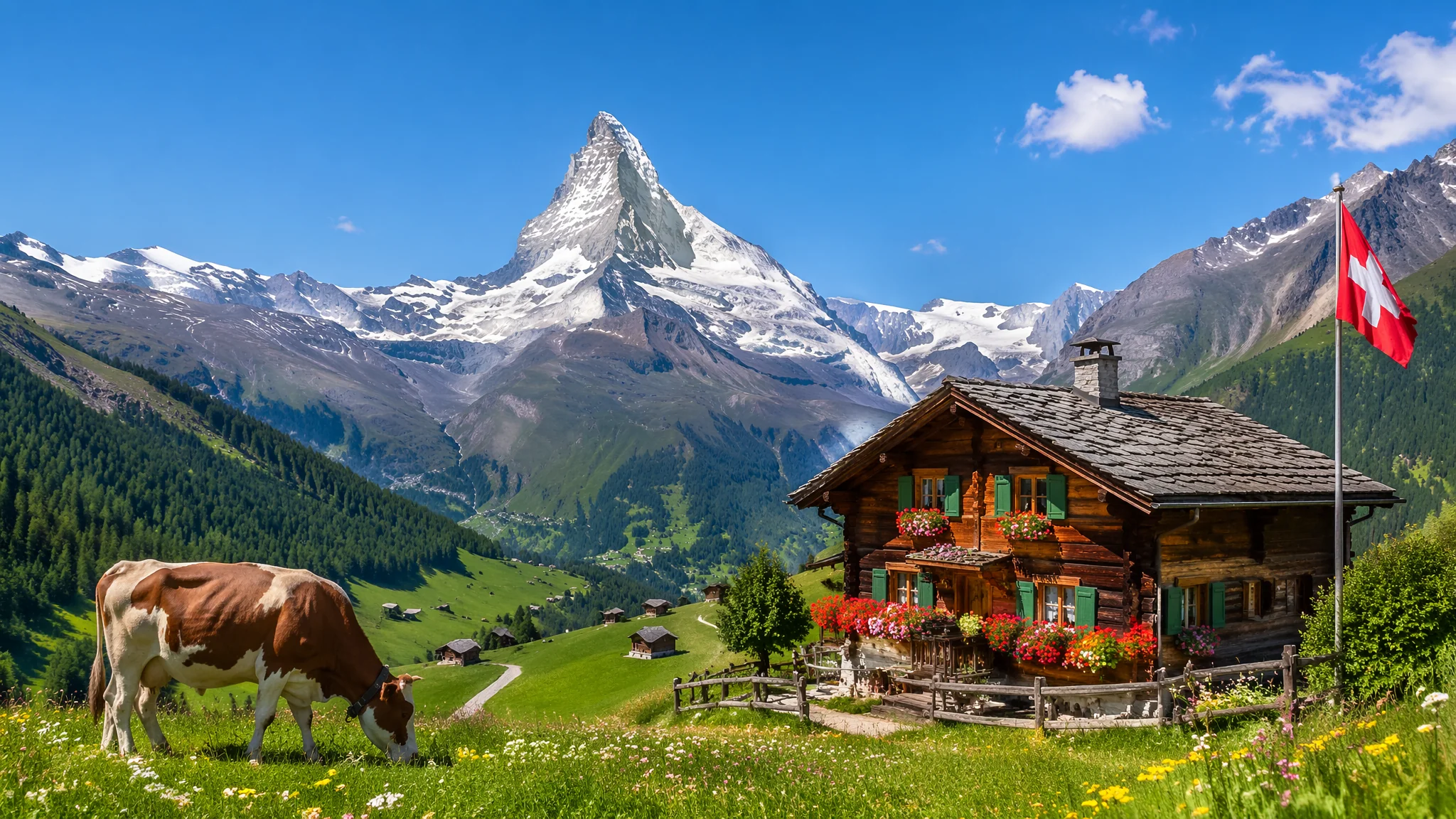
我没去过瑞士,但我用AI画了不下两百张瑞士。朋友看了以为我是瑞士旅游局派来的托。说实话,AI对瑞士风光的理解力出奇地好——可能是因为瑞士风光太"标准"了:雪山、湖泊、木屋、草甸、小火车,每一个元素都有清晰到近乎刻板的视觉范式,恰恰是这种"标准"让AI如鱼得水。
阿尔卑斯雪山的正确画法:不是一座山加一层雪,而是一套完整的地质和气候系统。
AI画雪山最容易犯的错是"任何山+雪=雪山"。但阿尔卑斯山脉有它独特的地貌特征:尖锐的角峰(horn peak)、U型冰川谷(glacial valley)、山腰的森林线(treeline)以上是草甸和裸岩、山顶常年积雪但雪线随着季节变化。
把这些地质特征写进prompt,画面立刻从"普通雪山"升级为"阿尔卑斯山":"jagged alpine peaks with distinctive pyramidal shapes carved by glacial erosion, U-shaped valleys with steep walls, the treeline clearly visible as a horizontal boundary between dark pine forest below and bare rock with patchy snow above, permanent snow cap glistening on the highest summit"。
雪的表现也很重要。阿尔卑斯的雪不是纯白一片,而是有蓝白阴影、有风吹出的雪檐(cornice)、有岩石露出的深色斑块。prompt:"bright white snow with cool blue shadows in the crevasses, wind-sculpted cornices overhanging the ridges, dark rock faces breaking through the snow cover on steeper sections"。
关于自然景观的地质精确性,可以回顾AI海面波浪绘画教程里讨论的"用科学描述提升画面真实度"的方法——地质学、海洋学、气象学的术语往往是提升AI绘画质量的秘密武器。
阿尔卑斯山脉的地质资料,大英百科全书阿尔卑斯山词条提供了完整的地质构造和地理分布描述。
瑞士小镇——不是随便一个欧洲小镇就能叫"瑞士小镇"。
瑞士小镇有其独特的建筑语言:木结构外墙(chalet style)、倾斜的大屋顶(能承雪)、窗台上种满红色天竺葵(geraniums)、建筑颜色以深棕色木材和白墙为主、教堂尖塔(church spire)作为天际线的制高点。
我的小镇prompt模板:"a Swiss alpine village nestled in a green valley, traditional wooden chalets with wide overhanging roofs and carved balconies, bright red geraniums spilling from every window box, a small church with a slender spire rising above the rooftops, cobblestone streets winding between the houses, the whole village dwarfed by towering snow-capped peaks in the background"。
注意"dwarfed by towering snow-capped peaks"这个表述——它建立了小镇和雪山之间的尺度对比,是瑞士风光最标志性的视觉关系。渺小的村落和巨大的雪山并置,才有那种"人间天堂"的感觉。
关于建筑风格和自然环境的融合,AI建筑绘画教程三有更多讨论。
高山湖泊——瑞士风光的"蓝色心脏"。想画好它,水的颜色和透明度是关键。
瑞士的高山湖(alpine lake)和普通湖泊不一样。因为水源是冰川融水,含有悬浮的岩石粉末(rock flour),湖水呈现出一种奇特的"乳蓝"或"绿松石乳"的颜色——既不像热带海水的清透蓝,也不像普通淡水湖的灰绿。
这种颜色在prompt里的描述:"milky turquoise alpine lake fed by glacial meltwater, the unusual color caused by fine suspended rock particles, crystal clear yet with a distinctive opaque blue-green hue, the lake surface perfectly still reflecting the surrounding peaks like a mirror"。
"milky turquoise"和"opaque blue-green"是关键词——它们区别于普通湖水的描述,精准定位了冰川湖的独特色调。关于水色的更多讨论在AI海面波浪教程里有详细拆解。
四季的瑞士——同一个地点,四种截然不同的视觉剧本。
瑞士风光最大的魅力之一是季节分明。同一座山峰、同一个村庄,春夏秋冬的画面完全不同。
春天:"spring in the Swiss Alps, melting snow revealing vibrant green meadows dotted with wildflowers, waterfalls swollen with snowmelt cascading down the mountainsides, the first grazing cows returning to the high pastures with their traditional bells"。
夏天:"Swiss summer landscape, emerald green alpine meadows, cows grazing on steep grassy slopes, hiking trails visible winding up the mountains, paragliders colorful specks against the deep blue sky, wildflowers in full bloom"。
秋天:"autumn in Switzerland, larch trees turning brilliant gold on the mountain slopes, the first dusting of fresh snow on the highest peaks, morning mist filling the valleys, the low golden sunlight casting long dramatic shadows"。
冬天:"Swiss winter wonderland, thick blanket of fresh powder snow covering the village roofs, warm glowing lights from chalet windows contrasting with the cold blue twilight outside, Christmas decorations adding festive touches, smoke rising from chimneys into the crisp still air"。
四季变化的视觉效果在AI立春节气绘画中也有相关探讨——季节转换的视觉信号如何通过prompt精确控制。
瑞士旅游局的官方图片库(myswitzerland.com)是研究瑞士风光摄影构图和取景的绝佳参考资源,里面的图片可以直接用来反推prompt描述。
我画瑞士风光的这两年,最大的收获不是技术,而是一个认知:好的风景画让人想去那个地方。有好几次我把生成的瑞士小镇图发到朋友圈,有人直接在下面问"这是哪里?机票多少钱?"。这种反应比任何点赞都真实。要达到这个效果,你的画面不能只有"美",还得有"可抵达感"——那条鹅卵石路看起来是真的可以走上去的,那扇窗户里的暖光是让人想推门进去的。这种真实感和AI建筑设计绘画中讨论的空间尺度感是同一个道理——画面要有"人的尺度"才会打动人。
常见问题解答:关于本主题最常被问到的几个问题。
为什么AI画的瑞士雪山总是像喜马拉雅或者洛基山?
三大山脉在AI的训练数据里确实有很大重叠。区分的关键在于:阿尔卑斯山有独特的角峰形态(像马特洪峰那样的金字塔形)、山腰有明显的森林线、山谷里有村庄和铁路(喜马拉雅山脉没有这个特征)、以及瑞士标志性的红色火车。prompt里加上"distinctive Swiss alpine architecture and red mountain trains in the valley"能有效把画面从"通用雪山"拉回瑞士。
高山草甸的绿色为什么总是像热带雨林?
因为"green meadow"这个描述太泛了。阿尔卑斯草甸的绿色是偏冷偏灰的——海拔高、气温低,草的颜色比低海拔地区要暗淡一些。改用"alpine pasture with short grass in muted sage-green tones, the color subdued by high altitude and thin air"。负面prompt加"tropical, lush, jungle, vibrant green"。
如何让画面同时容纳雪山、湖泊和小镇三个元素而不显拥挤?
层次感是构图的关键。采用"前景小镇——中景湖泊——远景雪山"的三段式纵深布局。小镇占画面底部20%,湖面占中间30%,雪山和天空占上方50%。镜头视角最好是略俯视(从半山腰往下看),这样三者在画面里有自然的垂直分布关系,视觉上不会互相挤压。prompt里明确这个空间关系:"viewed from a hillside vantage point, the village in the immediate foreground, the lake stretching across the middle distance, the mountains rising majestically in the far background"。我发现在这个三段式里加一个"过渡元素"效果会更好——比如一条蜿蜒的小路从小镇延伸到湖边,或者湖面上的一座小桥——它起到视觉桥梁的作用,把三个层次自然地串联起来,避免画面像是三张贴图拼在一起的。