AI委屈情绪绘画:压抑情感与欲言又止的细腻面部表情刻画
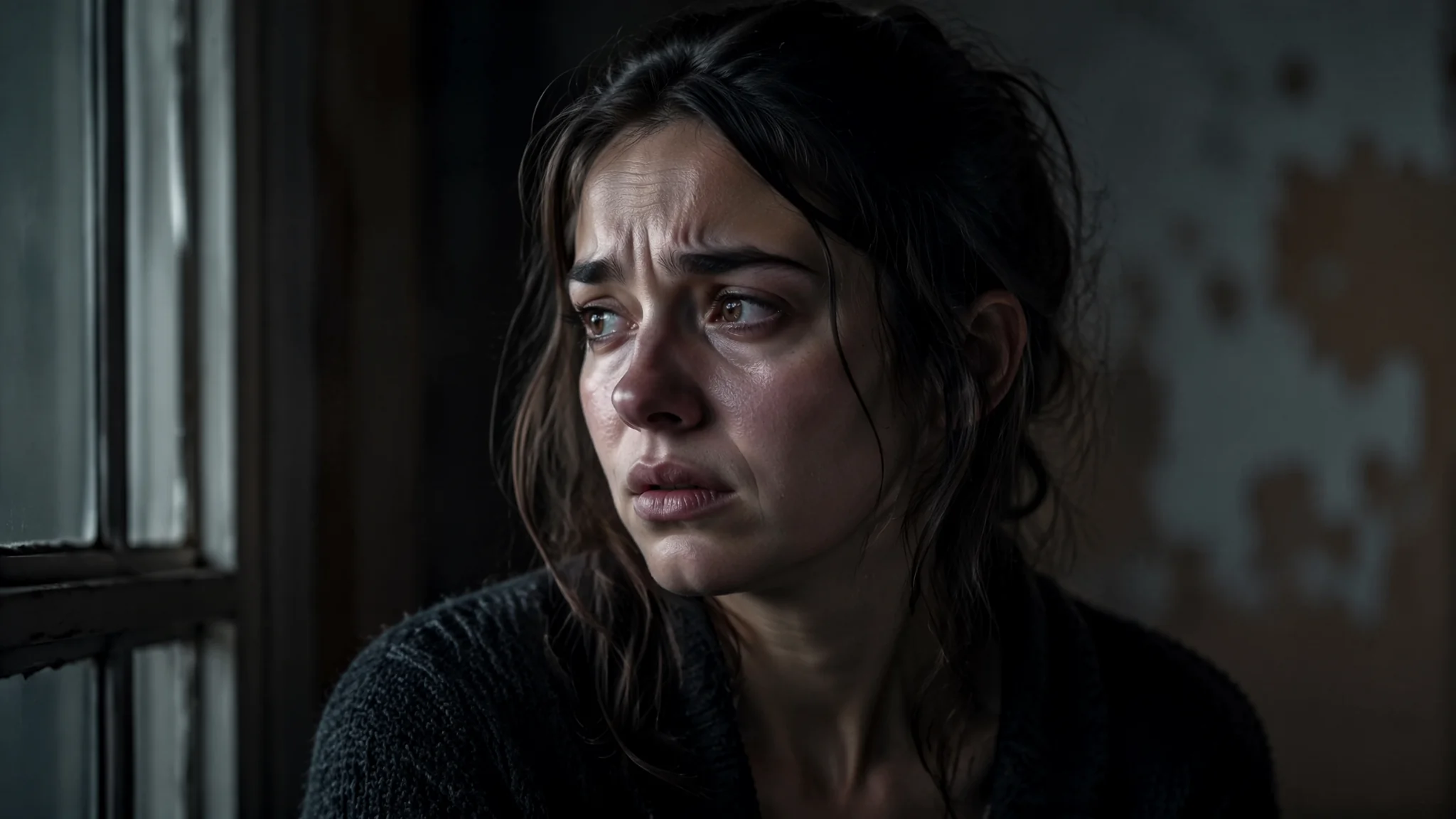
简单说:委屈比悲伤更难画。悲伤是「释放」——大哭、喊叫、眼泪横飞——情绪是外放的。委屈是「压抑」——想哭但忍住、想说话但咽回去、眼眶红了但眼泪还没掉下来。画委屈的本质是画「临界状态」——情绪在爆发边缘但还没爆发的那一瞬间。
做过最满意的一张AI人物图,不是什么大片场景,是一个女孩坐在房间角落,抿着嘴,眼眶微红,看着地上——没哭。那张图发在朋友圈,收到的评论都是「她怎么了」「看着好心疼」。这就是委屈的力量——不是「我好难过」,是「我很难过但我不想让你看出来」。大哭让人想递纸巾,委屈让人想问「发生了什么」。
嘴——委屈的「信号灯」
「mouth pressed into a thin tight line, the corners of the lips turned slightly downward, the lower lip is being bitten gently on one side, the jaw muscles are clenched but the cheeks are slack, the mouth is holding back words that want to escape」。委屈的嘴型有三个层次:嘴唇抿成一条线(压抑)、嘴角微微下垂(悲伤)、一侧下唇被轻咬(在忍)。
和悲伤的嘴型对比——悲伤是嘴角大幅下坠、嘴巴张开、下巴颤抖。委屈是嘴巴紧闭、嘴唇用力、嘴角只是微坠。关键提示词:「the mouth is sealed shut as if holding back a sob, the lips are pressed together so firmly they have lost color at the center, but the corners still tremble slightly」。嘴唇中央因紧抿而发白——这个细节是委屈嘴型的画龙点睛之笔。更多面部细节控制参考AI面部肖像绘画。
眼睛——眼泪的「临界点」
「eyes glistening with unshed tears, the lower lash line is wet and catching light, the tears are welling up but haven't spilled over yet, the eyes are slightly red-rimmed, the gaze is averted downward and to the side, refusing to meet anyone's eyes」。委屈的眼部核心:「unshed tears」——眼泪在眼眶里打转但没掉下来。这是委屈和哭泣的本质区别。
眼神方向也很关键——委屈的人不看对方,目光向下或向侧面躲闪。写「the gaze is averted, looking down at the floor or off to the side, the eyes avoid direct contact with the viewer, there's shame in the gaze mixed with the hurt」。委屈里混合着受伤和羞耻——这是它和纯粹悲伤在表情上的深层区别。情绪表达的系统方法见AI哭泣情绪绘画。
身体语言——「缩」起来的委屈
「shoulders hunched forward slightly as if making oneself smaller, arms wrapped loosely around the torso in a self-comforting gesture, the posture is withdrawn and protective, the body language says 'I want to disappear'」。委屈的身体姿态是「收缩」的——含胸、缩肩、双臂环抱自己。这是一种自我保护的姿态,和愤怒的「扩张」(挺胸、握拳、下巴扬起)完全相反。
手的细节——「hands fidgeting with the hem of a sleeve or clutching at the fabric of their own clothing, the fingers are restless but the body is frozen」。手在做小动作(揪衣角、绞手指)但身体是僵的——这种「局部的焦虑+整体的僵硬」是委屈的肢体语言特征。
光线和色调——「压抑」的氛围
「muted cool lighting, a single source of soft light casting long shadows, the subject sits partially in shadow with just the glistening eyes catching the light, the color palette is desaturated with cool blue undertones, the atmosphere is heavy with things left unsaid」。委屈场景的光线是「冷的、暗的、有阴影的」——不是悲伤的那种暴雨夜的暗,而是「阴天的下午,房间没开灯」那种灰蒙蒙的暗。
色彩控制:「desaturated colors, the skin tone is slightly paler than normal, the lips have a faint bluish tint from being pressed too tight, the only warmth in the frame comes from the reddened rims of the eyes」。全图唯一的暖色是眼眶的红——这个色彩对比本身就在讲委屈的故事。色调技巧参考AI色调绘画。更多情绪微表情的参考资料可以在Midjourney的社区画廊里搜索"emotional portrait",Civitai也有专门的情绪表达LoRA模型。
委屈与周边情绪的区分——不是「一张脸演所有戏」
委屈、失望、心酸、憋屈——这四个情绪在AI绘画里经常被混为一谈,但它们的面部表达有明显的差别。区分开才能画出精准的情绪。
失望——"disappointment, the shoulders slump and the head tilts slightly down, the mouth is a flat line not pressed tight, the eyes are unfocused and looking at nothing in particular, the expression is more empty than tense, the energy has drained from the face"。失望是「泄气」——肩膀塌了、表情空了、整个人像被抽走了力气。和委屈的区别是:委屈在「忍」,失望在「放」。
心酸——"heartache, one hand unconsciously touching the chest near the heart, the brows are drawn together in a gentle not angry furrow, the eyes glisten but the face remains composed, the pain is internalized and quiet"。心酸的关键动作是手无意识地放在胸口——这是一种自我安慰的本能动作,AI不会自动画,必须写进去。憋屈——"suppressed frustration, the jaw is clenched on one side creating an asymmetrical tension in the face, the eyes burn with unexpressed anger, the lips are pressed into a thin uneven line, the body is rigid with contained emotion"。憋屈和委屈最接近但有本质区别——憋屈的眉毛更紧、下巴咬得更用力、眼神里有愤怒的底色。情绪的细微区分需要对面部肌肉有系统理解,完整的表情解剖学参考AI人体绘画速写和AI哭泣情绪绘画。
委屈的叙事场景——画面自己会讲故事
一张好的委屈AI绘画不需要文字解释——画面本身就讲了一个故事。场景是情绪的「放大器」。推荐几个高叙事的委屈场景:雨夜公交站——「a person sitting alone at a bus stop at night in the rain, the shelter light casts a cold fluorescent glow, the person stares at their phone screen showing no new messages, the rain streaks on the glass create a barrier between them and the world」。空荡荡的收件箱——这个细节是委屈叙事的点睛之笔。
学校走廊——「a student standing outside a classroom door looking through the small window, the class is going on inside without them, their hand is raised halfway toward the door handle but frozen, the body language says excluded and uncertain」。被关在门外的学生——不是被暴力驱赶,而是「门关上了,没人注意到你不在里面」——这才是委屈的真实质感。更多叙事情绪场景的构建技巧在AI背景场景绘画里有系统讲解。
从委屈到释然——情绪弧线的视觉叙事
单张图画出委屈的效果已经很难了,如果能用一组AI图讲一个「从委屈到释然」的情绪弧线,那才是真正的情感叙事大师。三张图构成一个微型故事——委屈、被看见、释然。
第一张委屈——「a person sitting alone at the edge of a bed, shoulders hunched, face half-hidden in shadow, the room is dim with the curtains drawn, the atmosphere is heavy with unspoken hurt」。第二张被看见——「someone enters the room and kneels down to meet the person at eye level, a gentle hand reaches out but hasn't touched yet, the light from the open door cuts across the dark room, the moment of recognition before comfort」。第三张释然——「the curtains are now open and soft daylight fills the room, the two people sit side by side on the bed, the one who was crying now has a faint almost-smile, tears still on the cheeks but the eyes are lighter, the storm has passed」。三张图连起来就是一个完整的情感叙事——不需要任何文字解释。这种序列化的情绪表达在AI绘画里是最高级的玩法——因为AI没有记忆,每一张图都是独立生成的,要让三张图的角色、场景、光线保持连续性需要极其精确的提示词控制。序列化创作的系统方法参考AI角色设计教程里的角色一致性章节。
总结——委屈的尽头是「被看见」
画了一年多的情绪类AI绘画,最深的感受是——委屈是所有情绪里最需要「被看见」的。愤怒可以独自燃烧,悲伤可以独自流泪,但委屈需要一个「见证者」——哪怕见证者只是画面外的观众。所以委屈AI绘画的最高境界不是把表情画得多精准,是让观众看完之后产生一种冲动——想伸手拍拍画面里那个人的肩膀,说一句「我懂」。
做到这一点不需要多高超的AI技术——需要的是对「人」的理解。你见过委屈的人吗?在公司的茶水间、在学校走廊、在深夜的公交站——那个抿着嘴、红着眼眶、缩着肩膀、盯着地面的人。把那个画面记住,把那些细节写进提示词——你的AI委屈图就能打动人。因为观众不需要认识画面里的人——他们认识画面里的情绪。每个人都有过「想哭但忍住了」的瞬间。AI只是工具,真正的好作品来自你对人类情感的观察和尊重。
常见问题
委屈和悲伤的表情AI总是混在一起怎么办?
委屈=眼睛有泪光但没泪水流下+嘴唇紧抿+眼神躲闪+身体收缩。悲伤=眼泪流下+嘴巴张开或嘴角大幅下坠+眼神空洞或闭眼。把「unshed tears」「mouth pressed tight」「averted gaze」三个关键词组合在一起写,AI才能锁定委屈而非悲伤。
怎么让委屈看起来不像是「在生气」?
生气=眉头紧锁+眼神直视+下巴扬起+拳头握紧。委屈=眉头微蹙但不是紧锁+眼神躲闪+下巴微收+手指绞在一起。关键区分词:「brows slightly furrowed but not angrily, more confused hurt than anger」。
儿童的委屈和成年人的委屈在AI绘画中有什么区别?
儿童的委屈更「直接」——嘴巴撅起、眼睛瞪大、眼泪马上要掉、整个人气鼓鼓的。成年人的委屈更「克制」——抿嘴、目光躲闪、肩膀微缩、所有的情绪都收了七分只露出三分。
觉得有用的话分享给做人物情感创作的朋友吧。